
Balancing the scales of unpaid care work: Men lead in pet care and home repairs, survey shows, challenging long-held assumptions about gender roles in domestic responsibilities. While women continue to shoulder the vast majority of core domestic and care tasks, new data highlights significant male contributions in specific areas, unveiling a complex and evolving landscape of household labor.
Key Implications:
- Nuanced understanding of labor is vital, as the data shows women contribute an overwhelming Sh1.89 trillion to overall unpaid care work, yet men significantly lead in specific areas such as pet care and home repairs, challenging simplistic views of domestic labor distribution.
- Policy and household strategies must prioritize recognizing, reducing, and redistributing unpaid care work more equitably, given women’s substantial time commitment compared to men’s, while integrating men’s specialized roles into these redistribution efforts.
- Economic recognition and future planning for unpaid labor are essential, especially for women’s Sh1.89 trillion economic contribution, and must acknowledge the shared financial and time implications of rising costs in areas where men lead, such as pet ownership and home maintenance.
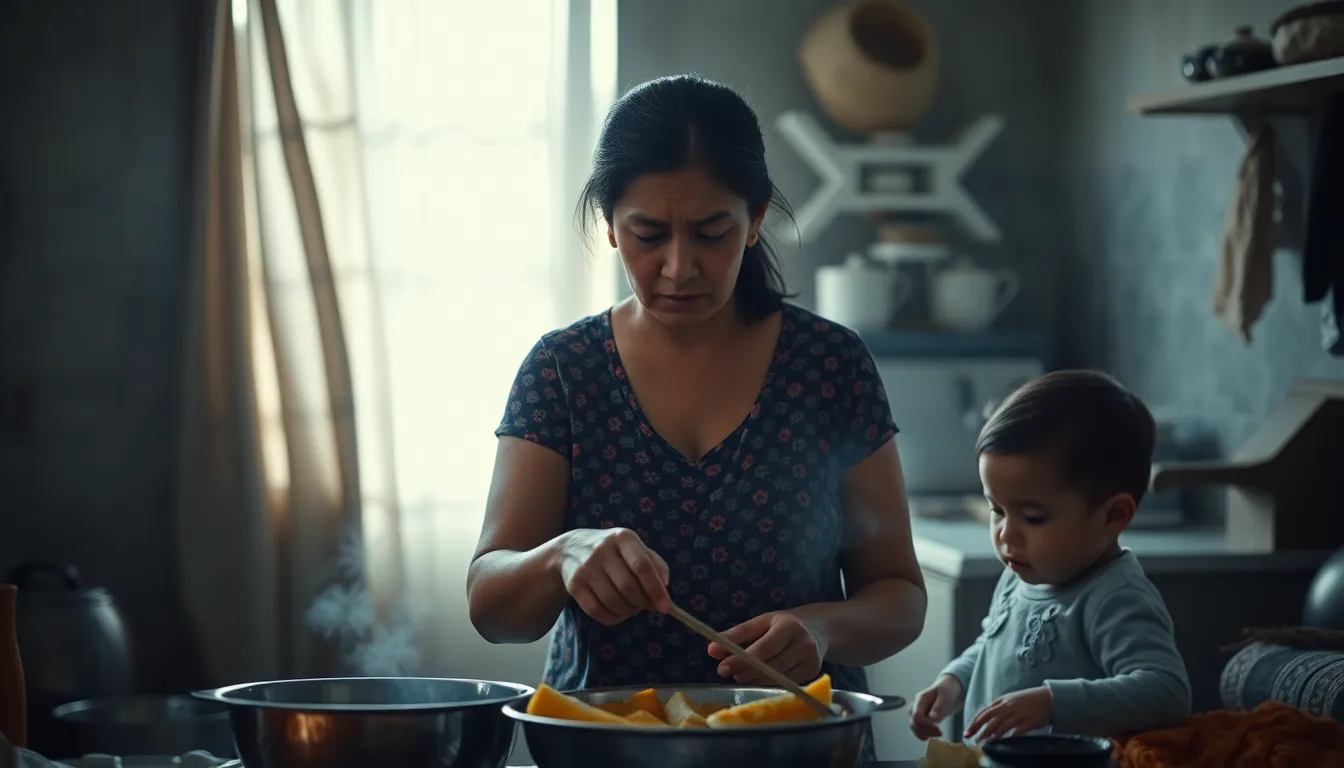
Women’s Sh1.89 Trillion Economic Contribution Powers Unpaid Labor
Women predominantly perform the vast majority of unpaid domestic and care work, constituting a substantial economic contribution that is often undervalued. In 2021, women contributed an estimated Sh1.89 trillion to the economy through these essential efforts. This staggering figure represented 84% of the total Sh2.24 trillion economic value generated by all unpaid domestic and care work.
The Disproportionate Time Commitment in Unpaid Care Work
The immense scale of unpaid care work performed by women is starkly evident in the significant annual time disparity observed across the nation. Women collectively undertake 25.8 billion hours of unpaid domestic and care work annually, demonstrating a profound commitment. This commitment contrasts sharply with men’s significantly lower contribution of 4.8 billion hours in the same categories, highlighting a persistent gender gap.
Daily statistics from the 2021 Kenya Time Use Survey further illuminate this profound imbalance in labor distribution. Women spend an average of 4 hours 30 minutes per day on unpaid care work, managing household and family needs. Men, however, dedicate only 54 minutes daily to these critical tasks, showcasing a considerable divergence in responsibilities.
Women’s Overwhelming Dominance in Core Household and Care Tasks
Specific high-volume tasks within the unpaid labor sector clearly illustrate women’s vastly higher investment across essential household duties. For food and meal preparation, women collectively spent 14.7 billion hours, a figure significantly outweighing men’s 2.2 billion hours. Similarly, in direct childcare and instruction, women invested a remarkable 3 billion hours versus men’s 310 million hours.
Furthermore, women also overwhelmingly dominate routine indoor cleaning activities, consistently accounting for 88.6% of the total time spent on these tasks. These comprehensive figures underscore the heavy burden and disproportionate responsibility women carry for maintaining households and nurturing families.
Global Context and the Undervaluation of Unpaid Labor
The pattern of women shouldering the predominant share of unpaid care work is not an isolated phenomenon in Kenya; it reflects a deeply entrenched global trend. Worldwide, women perform a staggering 76.2% of total unpaid domestic and care work (International Labour Organisation), underscoring a universal challenge. This consistent disparity across diverse cultures and economies emphasizes the urgent need for comprehensive strategies aimed at balancing the scales of unpaid care work.
Recognizing, reducing, and redistributing this immense, often invisible, labor is crucial for achieving gender equity and economic development. The significant economic and social impact of women’s unpaid contributions effectively powers essential functions within households and underpins national economies, yet it remains largely uncompensated and unrecognized.

Men Lead Key Household Maintenance and Pet Care Roles
Shifting Dynamics in Household Maintenance
Men are demonstrating increased engagement in specific unpaid care activities, thereby challenging traditional gender roles. This includes significant contributions to household maintenance, vehicle upkeep, and various home repairs. Data reveals men contributed 158.2 million hours to general household maintenance and repair activities, showcasing a substantial commitment.
Furthermore, men accounted for a remarkable 98.9% of the total time dedicated to vehicle maintenance, compared to just 1.1% by women. This substantial lead in automotive care underscores a distinct area of male contribution. These findings highlight men’s crucial role in balancing the scales of unpaid care work, particularly in extensive home repairs and technical upkeep.
Male Contributions to Pet Care and Daily Chores
In daily pet care responsibilities, men spent 61.1% of the total time, while women contributed 38.9%. Overall, men invested 5.5 million hours in pet care, significantly exceeding the 3.6 million hours by women. This establishes pet care as a distinct area of male leadership in unpaid labor.
Beyond pet supervision, men also lead in other essential household tasks. These include the upkeep of indoor and outdoor plants, where they contributed 85.2% of the total time. Men similarly led in recycling and waste disposal, accounting for 73.2% of the time, demonstrating broad engagement.
Broad Engagement Across Unpaid Care Activities
The quantifiable lead of men in do-it-yourself (DIY) home improvements is also notable, accounting for 61% of total time versus 39% by women. This indicates a consistent pattern of male involvement across various practical home-related tasks. Such statistics collectively present a comprehensive picture of shifting care responsibilities.
These diverse contributions extend to administrative aspects of care as well. Men spent 52.9% of total time on meetings and arrangements with adult care service providers. This contrasts with 47.1% for women, indicating involvement beyond physical tasks. The collected evidence thus clearly shows men lead in pet care and home repairs.
This extensive involvement challenges previous assumptions about gendered divisions of labor, significantly impacting the overall dynamics of unpaid care work. The increasing costs associated with pet ownership, including pet surrender or rising vet bills, further emphasize the shared nature of these responsibilities.
These findings collectively underscore the evolving landscape of gender roles within contemporary households. They demonstrate a more balanced distribution of duties across various domains. This redefines expectations for domestic and caregiving responsibilities.
Featured image generated using Flux AI
Kenya National Bureau of Statistics and State Department of Gender: “The Economic Value of Unpaid Domestic and Care Work in Kenya”
Kenya Time Use Survey (2021)
International Labour Organisation (ILO)