
How did a dog from Toledo wind up 160 miles away in Stark County? This puzzling question was answered after Max, an American bully, reunited with his owner nine months after vanishing. His incredible 160-mile journey and successful return highlight the indispensable role of microchip technology in modern pet recovery.
Key Implications:
- Enhanced Reunion Probability: Microchipping significantly boosts lost pet reunion rates, with dogs being over 200% more likely to return home, as Max’s 160-mile journey demonstrates.
- Mitigating Shelter Overpopulation: Current microchip information directly aids animal shelters by reducing intake burdens and easing persistent overcapacity issues caused by unidentified stray animals.
- Essential Permanent Identification: Microchips provide a crucial, permanent identification method, offering a reliable link to owners even for pets traveling significant distances or suspected of theft, unlike tags that can be lost.
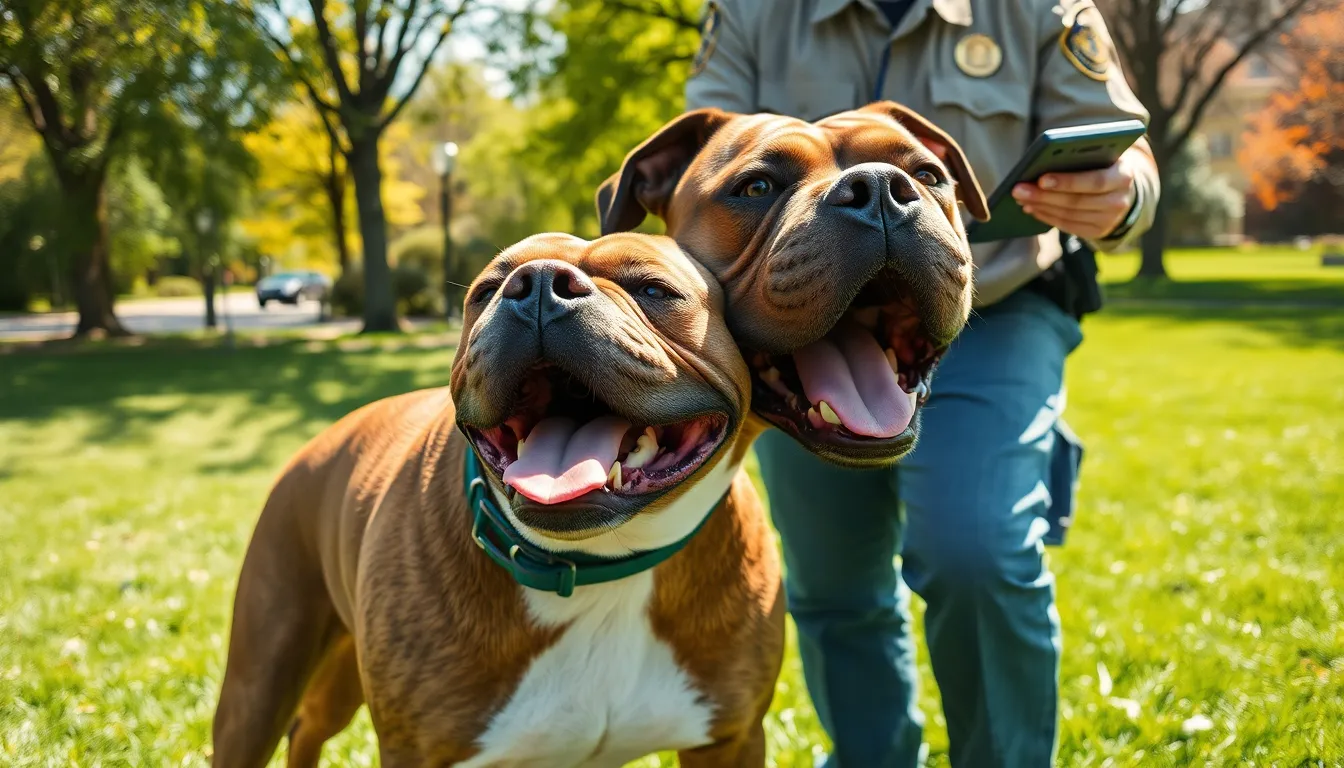
3-Year-Old Bully Reunites 160 Miles Away After 9 Months Due to Microchip
Max, a three-year-old American bully, recently reunited with his owner in Toledo after a nine-month disappearance. He was discovered 160 miles away in Perry Township, Stark County, Ohio. This extraordinary event highlights the critical importance of pet microchipping, especially when considering the question: How did a dog from Toledo wind up 160 miles away in Stark County?
The Unexplained Long-Distance Journey
Max vanished from his Toledo home, leading to a prolonged nine-month search for his whereabouts. His eventual discovery in Stark County, approximately 160 miles distant, created a significant puzzle regarding his relocation. The distance between Toledo, Ohio, and Stark County is indeed approximately 160 miles.
Owner Curtis Marshall, 41, expressed suspicions that theft might explain Max’s unusual long-distance relocation. Such an unexplained journey highlights the significant vulnerabilities and potential risks pet owners face daily. The specifics of Max’s travel route and circumstances remain unknown.
Microchip: The Crucial Identification Tool
The Dog Warden Division of the Stark County Sheriff’s Office played a pivotal role in Max’s recovery and identification. Officers routinely scanned the found dog for a microchip, adhering to standard procedures for identifying lost pets. This action is critical for reuniting stray animals with their families.
The presence of this embedded microchip proved instrumental in quickly identifying Max’s owner. This critical technology directly connected Max to his rightful owner, Curtis Marshall, enabling their eventual reunion. Without this vital identification, the outcome for Max would have been uncertain.
The microchip serves as a permanent form of identification, unlike collars or tags which can be lost or removed. Its internal nature ensures it remains with the pet, providing a reliable link to owner information. This security feature is crucial for pets that travel significant distances or become lost for extended periods.
Reunion and Lingering Questions
Following the microchip identification, Curtis Marshall, 41, traveled to Canton, Ohio, to retrieve his beloved American bully. This journey marked the emotional culmination of Max’s protracted nine-month absence. The reunion was directly facilitated by the effective use of his microchip.
The specific circumstances of Max’s 160-mile journey from Toledo to Stark County over nine months remain largely unknown. Owner Marshall’s suspicion of theft points to a darker scenario for Max’s long-distance relocation, rather than a simple wandering. This raises ongoing concerns about pet safety and security.
The critical role of Max’s microchip in this instance cannot be overstated. It allowed the Stark County Sheriff’s Office to identify and successfully reunite him with Marshall. Many lost pets benefit from this simple yet effective technology, illustrating its widespread utility in modern pet care.
Stories of animals embarking on incredible journeys are well-documented, demonstrating their resilience and instinctual drive. For instance, a cat once rode 100 miles on a van roof to find its family, showcasing similar astonishing feats. Such incidents underscore the general importance of permanent identification for pets.
Beyond microchips, owners can also consider advanced GPS dog collars for real-time tracking, adding another layer of security and peace of mind. These technologies offer enhanced protection against loss and potential theft. This comprehensive approach maximizes the chances of a happy reunion.
Pet Microchipping Elevates Reunion Rates by Over 200% and Mitigates Shelter Overcapacity
Microchipping offers a crucial solution for lost pets, significantly increasing their chances of returning home. For instance, microchipped dogs experience a more than 200% higher likelihood of reunion with their owners compared to non-microchipped dogs. This vital technology directly assists in managing the persistent overcapacity seen in animal facilities, such as the Stark County dog pound.
The Critical Role of Microchips in Pet Reunions
Imagine the worry if your beloved pet went missing. Statistics show that 33.3% of all pets will become lost at some point during their lifetime, a concerning probability for any pet owner. This highlights the widespread issue of pets getting separated from their families, often traveling significant distances. How did a dog from Toledo wind up 160 miles away in Stark County? Such incidents underscore the difficulty of identifying and returning lost animals without proper identification.
Microchipping provides an undeniable advantage in these situations. The quantifiable benefit of this simple procedure is clear: pets with up-to-date microchip information are far more likely to find their way back. This dramatically improves outcomes for lost animals, transforming a distressing situation into a successful reunion. The ability to identify a lost pet, regardless of distance traveled, is invaluable. Consider how a cat that rode on a van roof for 100 miles or a lost pet pig might have struggled without some form of identification.
Mitigating Shelter Overcapacity Through Responsible Pet Ownership
Animal shelters, like the Stark County dog pound, consistently operate at near-constant capacity, facing an ongoing challenge of accommodating the number of stray and surrendered animals. This overpopulation is often exacerbated by pets arriving without identification. Dogs without a microchip or with outdated registration information contribute directly to shelter overcapacity by impeding successful owner reunions. When a pet cannot be quickly identified and returned, it occupies valuable space and resources within the shelter system.
The absence of current microchip data creates a direct correlation with continued shelter overpopulation. Each unidentified pet lengthens its stay, further straining resources. Therefore, ensuring your pet’s microchip details are current is a powerful way to support these facilities. It reduces the intake burden and allows shelters to focus on other animals needing care, ultimately creating a more humane system.
The Impact of Current Microchip Information
Maintaining current microchip registration information directly supports animal shelters by reducing intake burdens. This is exemplified by the consistent capacity issues at the Stark County dog pound, where every successful reunion frees up space for another animal in need. By taking a few minutes to update your contact details, you play an active role in animal welfare.
The statistical probability of pets becoming lost is a harsh reality for many families. However, the quantifiable benefit of microchipping in ensuring their return is undeniable. This small act of responsibility has a ripple effect, from individual pet owners to the broader animal welfare community, easing the strain on vital rescue services.
Featured image generated using Flux AI
Canton Repository: “How did a dog from Toledo wind up 160 miles away in Stark County?”
Canton Repository: “All filled up. Why is the Stark County dog pound often crowded and over capacity?”