
“The Lived Experience of FTD: The Benefits of Pets” reveals that companion animals dramatically enhance the well-being of individuals with Frontotemporal Dementia, significantly improving social interaction and mitigating challenging behaviors. These profound impacts extend across emotional regulation, cognitive stimulation, and physical activity, offering a comprehensive, non-pharmacological approach to care that enriches daily life.
Implications
- Social and Behavioral Improvements: Pet engagement profoundly enhances social interaction by up to 91.7% and significantly reduces challenging behaviors, including agitation, aggression (60% reduction), and depression, thereby elevating the overall quality of life for individuals with FTD.
- Holistic Well-being and Purpose: Beyond symptom reduction, pets foster holistic well-being by increasing physical activity, providing emotional stability and cognitive stimulation, and establishing a vital sense of routine and purpose through consistent companionship.
- Tailored Engagement Strategies: Effective pet integration necessitates a flexible, individualized strategy tailored to each stage of FTD progression, adapting from direct pet care in early stages to supervised interactions, robotic companions, or plush animals in later stages, always prioritizing comfort and personal preference.
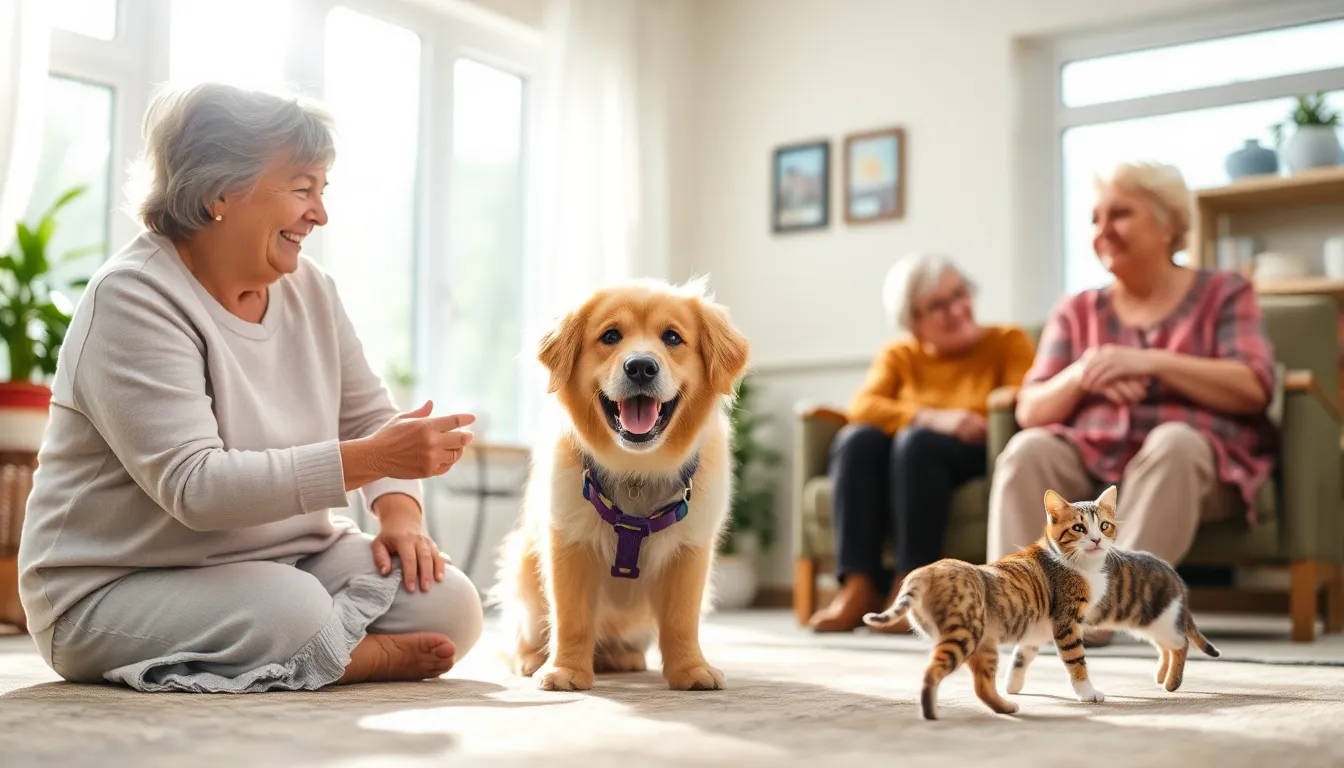
Pet Engagement Yields 91.7% Increase in Social Interaction for Dementia Patients
Engaging with companion animals measurably impacts the well-being of individuals living with dementia. Pet interaction improves physical activity and reduces loneliness. It also decreases challenging behavioral and psychological symptoms. Studies reveal remarkable improvements. A 91.7% increase in social interaction is often observed among dementia patients. Furthermore, this engagement leads to a 60% reduction in agitation and aggression. This transforms the daily environment for patients and their caregivers. These profound shifts highlight what pets can bring. For many, adopting a pet is like family.
Beyond the impressive reductions in challenging behaviors, pet care demonstrably enhances physical and emotional health. A comprehensive study involved 1,542 individuals living with mild-to-moderate dementia. Participants actively involved with pet care reported increased physical activity and reported less loneliness. This finding underscores the simple yet powerful role pets play. They encourage movement and provide companionship. These address two critical areas of concern in dementia care.
Unlocking Social Connections Through Companion Animals
The profound ability of pets to foster social interaction is a significant contribution to dementia care. A broader review encompassed 32 studies, primarily focusing on dogs. This review meticulously documented their effect. It found that 11 out of 12 studies, a staggering 91.7%, showed increased social interaction. This level of engagement can counteract the isolation often experienced by individuals with dementia. It fosters connection and reduces withdrawal.
Pets provide a non-judgmental and constant source of companionship. They often elicit responses that human interactions might not. Their presence can stimulate conversation and encourage smiles. Pets create shared moments of joy. This contributes significantly to an enhanced quality of life. The same review of 32 studies also noted enhanced quality of life. Three out of four studies (75%) reported improvements. This holistic benefit extends beyond mere symptom reduction. It significantly enriches the overall lived experience of FTD: the benefits of pets.
Mitigating Behavioral and Psychological Symptoms
Pet engagement offers a powerful, non-pharmacological strategy. It manages some of the most challenging aspects of dementia. Behavioral and psychological symptoms can be distressing for patients. They also place immense strain on caregivers. The evidence strongly suggests that interaction with household pets can significantly alleviate these difficulties. This improves the overall care environment.
Specifically, the review of 32 studies documented a substantial decrease in agitation and aggression. Nine out of 15 studies (60%) observed a remarkable reduction in these challenging behaviors. This finding is critical for dementia care. Agitation often leads to increased stress. It can impact patient safety and comfort. Pets offer a calming presence. They provide comfort and distraction. This can de-escalate stressful situations effectively.
Furthermore, a meta-analysis pooled data from 11 randomized controlled trials, involving 825 participants. This extensive analysis corroborated previous findings. It concluded that household pets led to a significant reduction in behavioral and psychological symptoms of some kinds of dementia, particularly depression. The consistent, unconditional affection from a pet provides emotional support. It also offers a sense of purpose. These are vital in combating feelings of sadness and hopelessness often associated with dementia.
The Lived Experience of FTD: The Benefits of Pets in Practice
Understanding pet interaction’s quantifiable impact translates into actionable dementia care strategies. The direct impact on well-being and symptom management is clear. Many studies demonstrate improvements across multiple symptom categories. Specifically, a 91.7% increase in social interaction is observed. Also, a 60% reduction in agitation is frequently reported. These findings underscore the reliability of pet engagement benefits. These are not anecdotal improvements. They are robust, evidence-backed changes. They genuinely enhance the daily lives of those affected by dementia.
The meta-analysis highlighted depression reduction. A larger study confirmed increased physical activity and reduced loneliness. Together, they paint a comprehensive picture. These findings emphasize pet companionship’s dual benefits. It addresses both physical and emotional dimensions of care. For individuals with frontotemporal dementia (FTD), a pet’s presence offers stability. It provides affection and a comforting routine.
Integrating Pet Engagement into Dementia Care Strategies
Incorporating pet engagement into care plans is a promising and humane approach. It improves outcomes for individuals with dementia. Direct pet ownership can help. Regular visits from therapy animals also provide benefits. Structured pet-assisted activities are another option. The benefits are broad and profound. These interventions support person-centered care. They focus on quality of life. They prioritize individual well-being over symptom suppression.
The evidence is compelling. Engaging with pets profoundly impacts the lives of individuals with dementia. It boosts physical activity and diminishes loneliness. Social interaction dramatically increases. Agitation markedly decreases. The transformative power of animals is undeniable. Embracing these opportunities enhances care quality. It improves daily contentment. This makes a tangible difference in the lived experience for many.
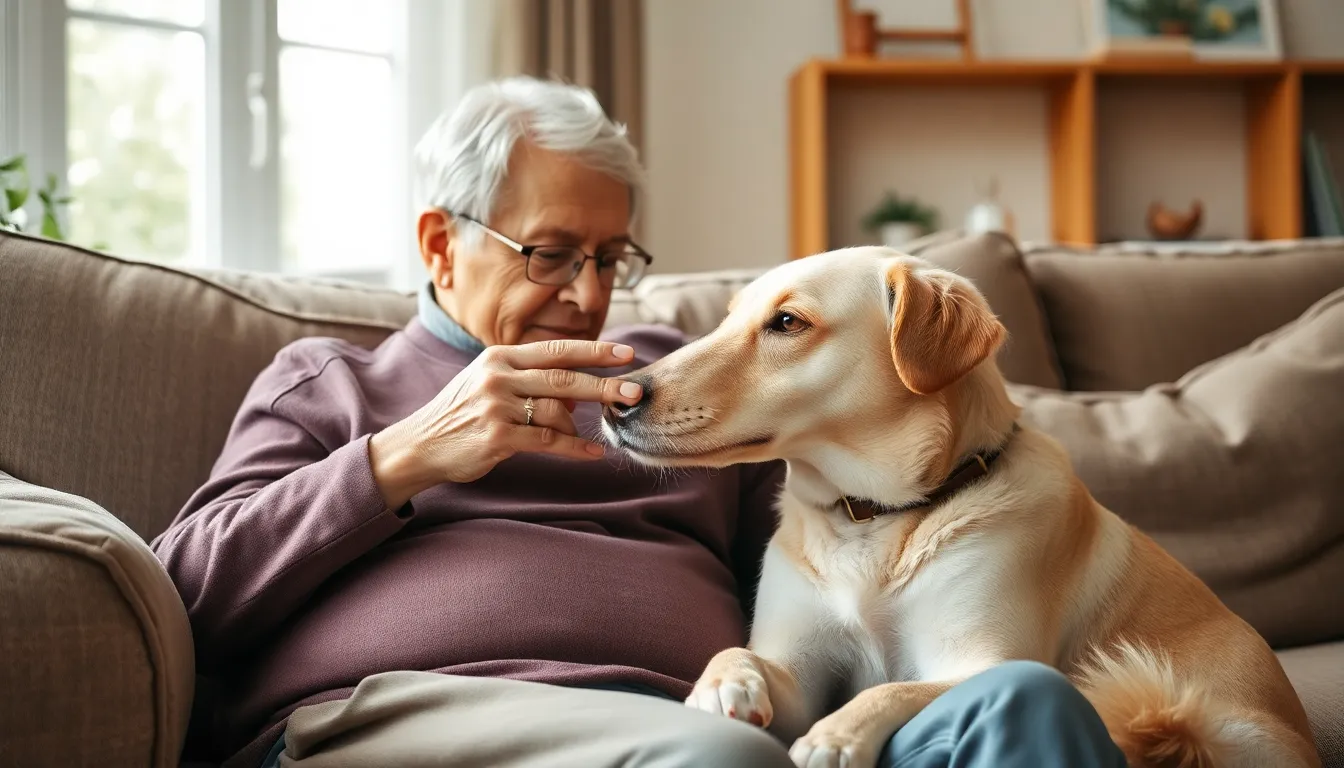
Five Core Benefits Elevating Quality of Life in FTD
For individuals navigating the complexities of Frontotemporal Dementia (FTD), maintaining a robust quality of life extends beyond clinical symptom management. It often involves embracing non-pharmacological approaches that nurture emotional well-being, stimulate cognitive functions, and encourage daily engagement. Among the most profound and accessible of these approaches is pet companionship. The presence of animals offers a comprehensive range of advantages, deeply enriching the daily lives of those with FTD. The Lived Experience of FTD: The Benefits of Pets encompasses a holistic improvement across multiple critical domains, providing comfort, purpose, and connection.
Pet companionship provides a comprehensive range of benefits for individuals with FTD. These benefits cover emotional regulation, cognitive stimulation, physical activity, social engagement, and a vital sense of routine and purpose. Each aspect contributes significantly to enhancing daily living, often in ways that traditional therapies may not fully address. The unique interactions with pets can foster a more engaged and content existence, offering steady support and unconditional affection.
Emotional Well-being and Regulation
One of the most immediate and impactful benefits of pet companionship is its positive influence on emotional regulation. Pets serve as powerful agents in reducing agitation and anxiety, common challenges for those with FTD. Their calm presence and gentle nature provide a constant source of comfort and security. This sense of reassurance can significantly alleviate feelings of unease and distress, creating a more peaceful environment for the individual.
Interacting with a beloved animal also consistently boosts mood. The simple act of stroking a soft fur, hearing a purr, or watching a pet play can evoke smiles and laughter. This positive emotional response can counteract feelings of sadness or apathy, bringing moments of joy into daily life. For individuals experiencing FTD, these moments of genuine connection and comfort are invaluable, acting as a non-verbal anchor in their emotional landscape. Pet companionship offers profound emotional stability and comfort, often easing agitation and anxiety.
Cognitive Engagement and Stimulation
Pets offer unique avenues for cognitive stimulation, engaging individuals with FTD in meaningful ways. Their presence can spark memories, particularly those involving past adventures or cherished family pets. Recalling these joyful experiences can provide mental exercise and emotional warmth. This connection to the past can be grounding and reassuring, reinforcing a sense of personal history.
Beyond memory recall, pets promote engagement in the “here and now.” Direct interactions, such as calling a pet’s name or observing its actions, require immediate attention and response. This focus on the present moment helps to reduce rumination and encourages active participation in the current environment. Whether it is noticing a wagging tail or the gentle nuzzle of a cat, these interactions foster a tangible connection to their surroundings. These interactions foster immediate engagement and can spark cherished memories, promoting cognitive vitality.
Encouraging Physical Activity
The benefits of pets extend to physical health by encouraging increased movement and activity. Engaging in pet care activities, even simple ones, can lead to more physical exertion. Walking a dog, for example, provides structured exercise and fresh air. Even indoor activities like brushing a cat or throwing a toy can stimulate gentle movement and coordination.
These increased physical interactions contribute to measurable physiological benefits. Regular, gentle physical activity associated with pets can lead to lower blood pressure and heart rate. This helps improve cardiovascular health and overall physical well-being. For individuals with FTD, maintaining even modest levels of physical activity is crucial for overall health and slowing decline. It provides a natural and enjoyable way to stay active. Engaging in pet-related activities naturally encourages increased physical movement, leading to better cardiovascular health.
Enhancing Social Connections and Reducing Isolation
Pets are exceptional facilitators of social interaction, playing a critical role in reducing isolation for individuals with FTD. They often act as social bridges, making it easier for caregivers, friends, and family to engage. Pets also offer judgment-free companionship, a particularly valuable asset when verbal communication becomes challenging. A pet’s affection is unconditional, providing a constant source of acceptance and emotional support.
The unique social aspects of pet ownership include vital tactile enrichment. The act of petting, cuddling, or even just feeling a warm body nearby provides sensory stimulation. This non-verbal communication can be deeply comforting and reassuring, especially when spoken words are difficult to process or express. For those seeking resources on how pets become integral family members, exploring the family bond with pets can offer further insights into this profound connection. This form of connection becomes a powerful tool against feelings of loneliness and detachment. Pets provide judgment-free companionship and tactile enrichment, which are particularly crucial when verbal communication is challenging.
Establishing Routine and Purpose
One of the profound benefits that pets bring to the lives of individuals with FTD is the establishment of a vital sense of routine and purpose. Caring for an animal provides structured daily activities that give meaning and direction. Pet care responsibilities, such as feeding, brushing, and walking, create a predictable schedule. This predictability is often comforting and essential for managing the cognitive and behavioral changes associated with FTD.
These care activities empower individuals, giving them a role and a responsibility within their household. Talking to pets, engaging in play, and cuddling them are not just tasks but acts of love that reinforce a sense of being needed and valued. This daily interaction cultivates a profound sense of purpose, combating feelings of helplessness or irrelevance. The routine of pet care offers structure in what might otherwise feel like a chaotic or uncertain world. For those looking to optimize the care experience, understanding top pet products for seniors can aid in making pet care easier and more enjoyable. The routine of pet care creates a vital sense of purpose and predictability, offering comfort and direction.
In conclusion, the comprehensive array of non-pharmacological benefits that pets provide extends far beyond mere clinical symptom reduction. It delves deeply into daily quality of life improvements. The Lived Experience of FTD: The Benefits of Pets highlights how these faithful companions contribute to emotional stability, cognitive vitality, physical health, social inclusion, and a fundamental sense of purpose. Their unconditional love and constant presence make them invaluable members of the care team, significantly enhancing the well-being of individuals living with Frontotemporal Dementia.
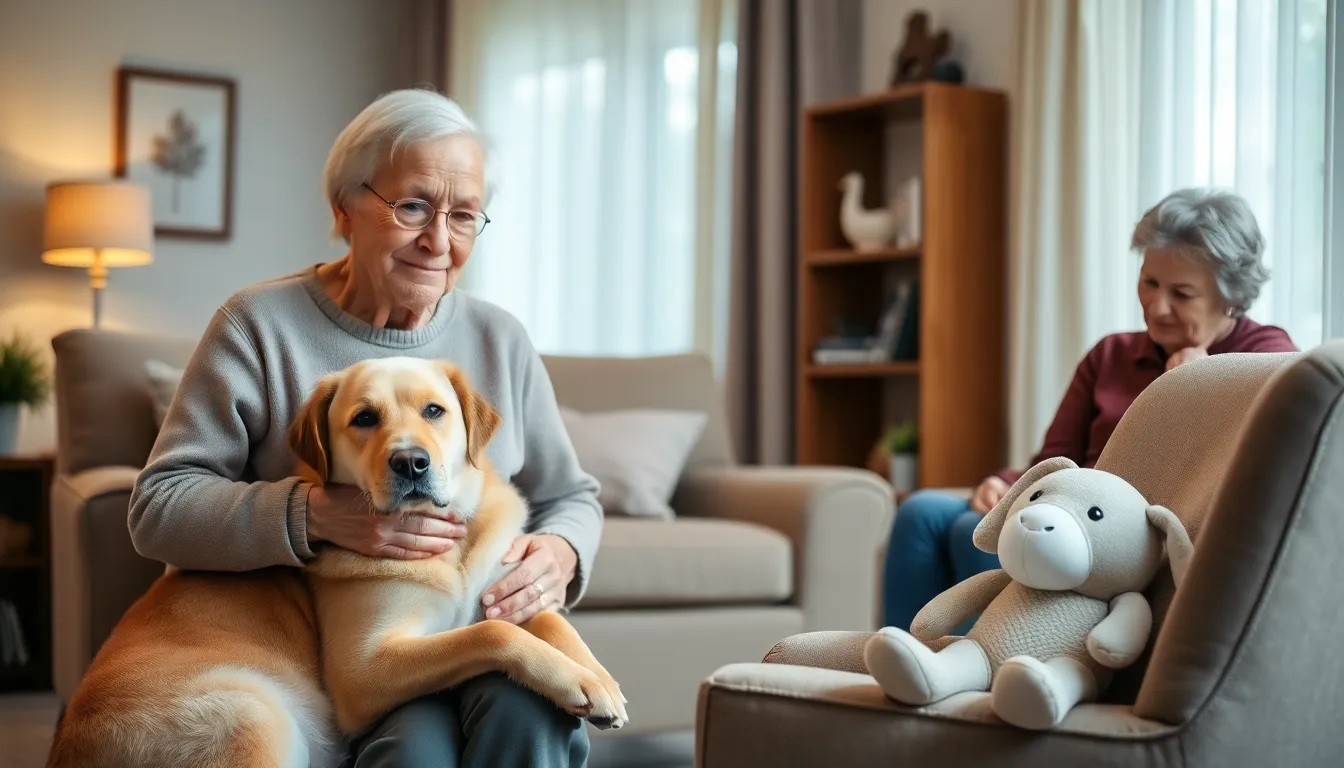
Tailoring Pet Engagement Across FTD Progression Stages
Effective pet interaction for individuals with Frontotemporal Dementia (FTD) is a deeply individualized journey. It adapts to the specific stage of disease progression, while also carefully considering the care partner’s needs. Understanding The Lived Experience of FTD: The Benefits of Pets requires a nuanced approach, ranging from direct animal care to the thoughtful introduction of robotic companions.
Integrating pets into the lives of those with FTD demands flexible strategies. These interventions are meticulously adjusted to align with evolving challenges and capacities at each stage. This ensures interactions remain beneficial, providing comfort and engagement without inducing stress. The goal is always to enhance well-being.
Individuals in the early stages of FTD often benefit significantly from direct pet ownership. They may still participate actively in pet care tasks. This could include feeding, gentle grooming, or even short walks. Such activities can provide a strong sense of purpose and routine. They help to maintain existing skills and foster a connection to daily life.
Scheduled visits from therapy animals also offer substantial advantages during this period. These interactions can be structured and predictable, offering emotional support. They encourage social engagement and provide opportunities for affection. The presence of a calm animal often reduces anxiety and enhances mood. This direct interaction profoundly enriches The Lived Experience of FTD: The Benefits of Pets.
Maintaining familiar routines with a pet can be particularly helpful. The consistent presence and predictable needs of a pet can provide comfort. It helps individuals maintain a sense of normalcy for longer. These early engagements focus on active participation and companionship. Care partners play a crucial role in facilitating these positive interactions.
Middle Stages: Supervised Interaction and Gentle Companionship
As FTD progresses into the middle stages, engagement strategies shift. Direct pet ownership might become more challenging due to safety concerns or cognitive decline. Supervised pet visits become the preferred mode of interaction. These visits ensure the safety and comfort of both the individual and the animal.
The introduction of robotic pets often becomes highly beneficial at this stage. These innovative companions offer many advantages without the complexities of live animal care. They can provide sensory stimulation through touch and sound. Robotic pets are designed to mimic real pet behaviors, such as purring or barking. These features deliver comfort and predictability.
Robotic pets, or even lifelike plush animals, serve as a bridge. They allow continued interaction with an animal-like presence. They reduce cognitive load and potential risks. Using innovative pet products for seniors, including robotic companions, ensures comfort and safety. This transition supports ongoing emotional connection. They offer a soothing presence without demanding complex responses.
Late Stages: Sensory Comfort and Emotional Connection
In the late stages of FTD, the primary focus shifts further towards providing comfort and sensory engagement. Direct interaction with live animals may no longer be feasible or appropriate. The emphasis moves entirely to robotic pets or soft, plush animals. These tools are designed to offer gentle, non-demanding interaction.
Robotic companions and plush animals provide vital tactile and auditory stimulation. Their soft textures and gentle sounds can be incredibly calming. This form of engagement aims to provide a sense of presence and warmth. It helps to alleviate agitation and promote relaxation. These interactions are often passive, requiring little cognitive effort from the individual.
Plush animals offer profound emotional solace through their familiarity and softness. They can evoke positive memories and provide a sense of security. The goal is to create a peaceful environment. This supports the individual’s emotional well-being without imposing stress. These gentle interactions honor the person’s needs in their current state.
Optimizing Engagement: Consistency and Individual Preferences
Throughout all stages of FTD, careful monitoring of engagement is absolutely critical. The overarching objective is to ensure that pets and animal therapies consistently bring comfort. It is vital to recognize any signs of distress or disinterest immediately. Every interaction must respect the individual’s current preferences and capacities.
Respecting individual preferences for interaction is paramount. Some individuals may enjoy gentle petting or holding a soft animal. Others might prefer simply observing animals from a slight distance. There is no one-size-fits-all approach. Every intervention should be tailored to maximize comfort and minimize potential stress.
Consistency in scheduling pet activities is highly beneficial for individuals with FTD. Recommendations include scheduling these interactions on the same days and at similar timeframes. This fosters a predictable routine, which can be immensely reassuring. This predictability helps reduce anxiety and can create positive anticipation for The Lived Experience of FTD: The Benefits of Pets.
A consistent schedule provides a crucial anchor in a changing world. It offers a sense of security and familiarity. This routine can significantly enhance overall well-being. It also helps to reduce agitation. Understanding the emotional connection of adopting a pet can provide insights into these deep bonds. Care partners are essential in adapting strategies and supervising interactions effectively. Their dedication ensures optimal pet engagement for the individual.
Featured image generated using Flux AI
The Journal of Applied Gerontology: “A study on pet care benefits for individuals with mild-to-moderate dementia”
PubMed (Meta-analysis): “A meta-analysis of randomized controlled trials on pets reducing behavioral and psychological symptoms of dementia”