
A senior shelter dog went years without family–a chance encounter changed that, highlighting a pervasive challenge where older canines face 2.4 times lower adoption rates than their younger counterparts. This disparity creates prolonged shelter stays, deeply affecting canine welfare through heightened stress and behavioral issues like severe separation anxiety.
Key Implications:
- Senior Dog Adoption Rates: Older canines face a significant systemic disadvantage, with adoption rates 2.4 times lower than younger dogs, leading to prolonged shelter stays.
- Canine Welfare: Extended shelter stays severely impact older dogs’ physical and mental health, often leading to debilitating behavioral issues such as severe separation anxiety.
- Targeted Adoption Strategies: Online visibility, reduced adoption fees, and committed intervention with continuous companionship are crucial for successful senior dog placements and mitigating behavioral challenges.

Adoption Rate for Older Canines is 2.4 Times Lower, Extending Shelter Stays
Senior dogs face significantly lower adoption rates compared to younger animals. This disparity creates a profound systemic challenge within animal shelters. It impacts canine welfare directly.
ASPCA data estimates a mere 25% adoption rate for senior dogs. Younger dogs and puppies achieve a 60% adoption rate. They are adopted at a rate 2.4 times higher than older canines (ASPCA estimate).
The Systemic Disadvantage for Senior Dogs
This numerical disparity in adoption rates underscores a pressing systemic challenge. Older dogs face an uphill battle to find a permanent family. They frequently wait longer for a loving home.
These slower adoption rates translate into prolonged periods of institutional living. Many senior shelter dogs endure extended stays. This deeply impacts their overall physical and mental welfare.
The Personal Toll of Extended Shelter Stays
Thelma, a particular senior shelter dog, endured a grueling 15 months in a shelter. Her wait for a family spanned from March 2024 to June 2025. This vividly illustrates the individual cost of these statistics.
This extended duration without a consistent home environment contributed significantly to her severe separation anxiety. Thelma frequently attempted to escape her crate or yard. This was a clear manifestation of her emotional turmoil.
The plight of a senior shelter dog went years without family–chance encounter changed that for Thelma. She ultimately found her forever home. Her experience mirrors countless others struggling without a dedicated family. Consider pets for adoption from local animal shelters to help.
Understanding the Behavioral Impacts
Long shelter stays are a primary factor in the development or worsening of behavioral issues. Separation anxiety, as observed in Thelma’s case, is a common and debilitating condition. It affects many older animals.
These anxieties often lead to destructive behaviors, excessive barking, or desperate escape attempts. Such challenging behaviors, regrettably, make these vulnerable dogs seem less appealing. This creates a vicious cycle for potential adopters.
A consistent lack of a stable, predictable, and loving home environment severely erodes a dog’s sense of security. Providing specialized care and understanding is crucial. This mitigates profound challenges when a senior shelter dog went years without family–chance encounter changed that for them, ensuring a smoother transition.
Adopting an older pet offers a unique and incredibly rewarding opportunity. It provides comfort and stability to an animal in great need. Exploring options like flexible fees for senior dog adoption can further assist. This helps welcome a deserving new companion into your family.

Online Discovery Leads to Immediate Adoption, Concluding a 15-Month Wait
An 8-year-old senior shelter dog named Thelma went years without a family. A chance encounter later changed that, significantly altering her trajectory. Thelma first arrived at Best Friends Animal Society in Northwest Arkansas during March 2024.
Her shelter journey spanned 15 months, a substantial period for any dog awaiting a home. Thelma’s adoption finally occurred in June 2025, marking the conclusion of her prolonged wait.
A Protracted Wait for a Senior Companion
The duration of Thelma’s stay highlights the challenges many older shelter dogs encounter in securing adoption. Such lengthy waits often impact their well-being and diminish their chances for a forever home. Finding a new family for senior animals frequently requires dedicated effort and visibility.
Organizations often implement programs to facilitate these adoptions. Flexible fees for senior dog adoption can alleviate financial barriers for potential adopters, addressing common concerns. These initiatives are critical for successful placements.
The Angel Family’s Decisive Intervention
Thelma’s fortunes shifted dramatically with the actions of Carrie and Johnny Angel. They discovered Thelma’s profile online, initiating a sequence of events. Their discovery underscores the power of digital platforms in connecting pets with potential families.
The Angels immediately decided to meet Thelma, leading to her swift adoption. This decisive action reversed the fortune for this older shelter dog, underscoring the power of timely human intervention. Their prompt decision prevented further delay for Thelma.
Their experience demonstrates how specific online profiles can lead to immediate and successful adoptions. Many families are searching; pets for adoption from local shelters are readily available through online listings. This method streamlines the adoption process for both animals and prospective owners.
Embracing Thelma: Commitment Beyond Challenges
The Angel family displayed an immediate and unwavering commitment to Thelma. They expressed no hesitation about her known separation anxiety before the adoption was finalized. This acceptance is crucial for animals with specific behavioral needs.
Their understanding approach facilitated a smooth transition for Thelma into her new home. Such dedication showcases the compassionate commitment essential for adopting pets with known challenges. Potential adopters can view various pets up for adoption now, many with unique backstories and needs.
This immediate commitment profoundly altered the life path of an elderly shelter dog, demonstrating effective human intervention. The Angels’ actions provide a compelling example of how targeted individual choices can drastically improve a senior dog’s trajectory.
Constant Human Presence Eliminates Separation Anxiety in Adopted Dog
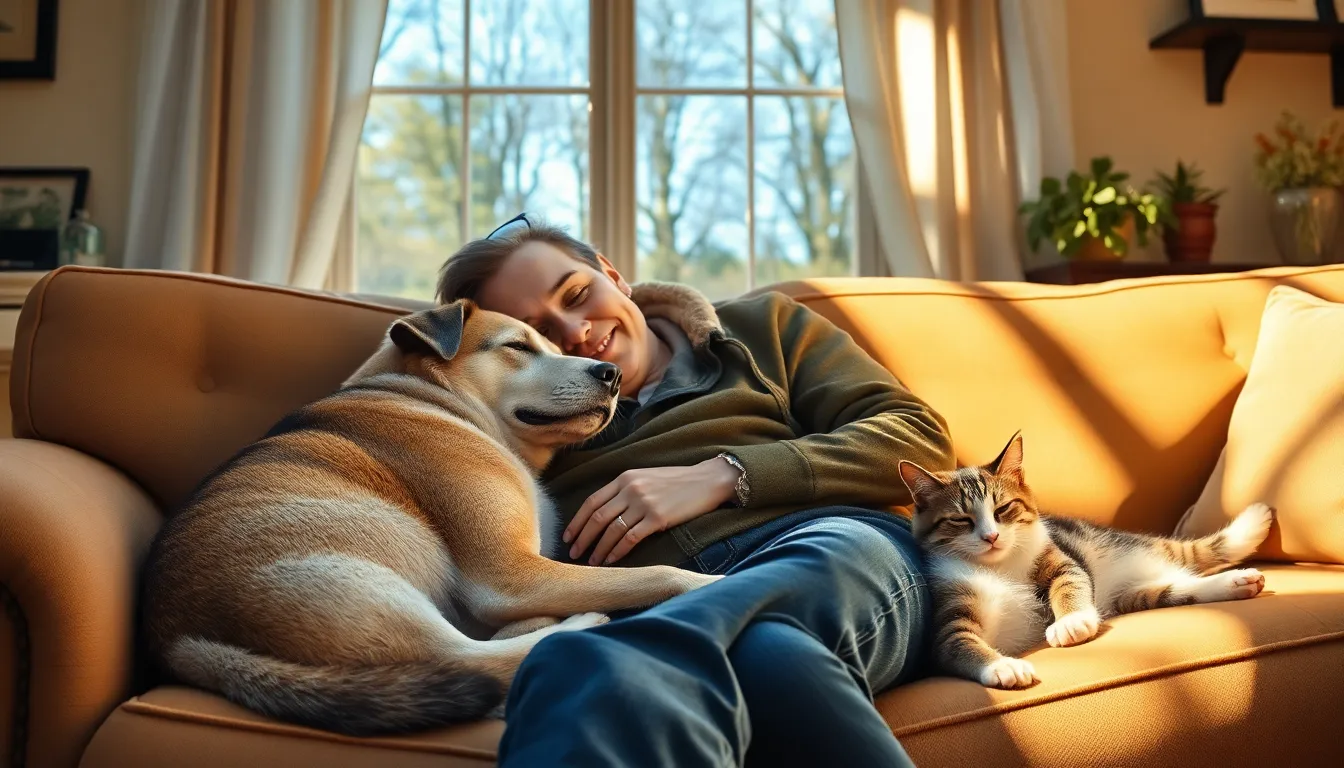
A specific adopted dog’s new home provided continuous human presence, directly addressing her severe separation anxiety. This dedicated companionship enabled Thelma to thrive and form strong bonds with her new family members. For this senior shelter dog who went years without a family, a chance encounter truly changed her life.
The Direct Impact of Continuous Companionship
Thelma’s transformation began with a singular, crucial intervention: constant human companionship. Jamie, Carrie’s older brother, now serves as her round-the-clock companion, ensuring Thelma is never left alone. This arrangement has resulted in zero instances of Thelma being left by herself since her adoption.
Jamie’s full-time presence at home has a quantifiable impact on Thelma’s well-being, effectively mitigating her severe separation anxiety. She now experiences constant companionship, which was previously unavailable in her life as a shelter dog. This consistent support allows her to feel secure and loved at all times.
Thriving in a New, Diverse Environment
Thelma’s current state is one of happiness and thriving within her new home environment. She consistently prefers to stay right next to her people, seeking endless love and attention. This behavior contrasts sharply with her past, demonstrating a profound shift in her emotional security.
Her diverse family environment in the country includes one human companion and multiple feline family members. This rich social setting further contributes to her sense of belonging and well-being. Thelma, once a senior shelter dog that went years without a family, now actively participates in a loving household.
Mutual Benefits of Constant Connection
The arrangement of continuous presence offers significant mutual benefits for both Thelma and Jamie. Thelma receives the consistent companionship necessary to eliminate her separation anxiety, allowing her to flourish. This specific setup has profoundly impacted her ability to adapt and form healthy attachments.
Conversely, Jamie also gains a constant companion, experiencing the joy and affection Thelma readily provides. This symbiotic relationship ensures both individuals receive steady, comforting presence. Many opportunities exist to connect with dogs like Thelma through local organizations, making a meaningful difference for a senior dog in need of a family.
Featured image generated using Flux AI
Source: ASPCA
Source: Journal Animals: “Characteristics of Long-Term Shelter Dogs”