
Navigating the world of a reptile heat lamp for beginners can be overwhelming, with 30% of new owners reporting confusion that directly impacts their pet’s well-being. Making informed choices regarding lamp lifespan, safety features, and appropriate monitoring is crucial for both your reptile’s health and your long-term investment.
Lamp Longevity and Burn Prevention:
- Opt for long-lasting heat sources, such as Ceramic Heat Emitters, and invariably use metal lamp guards to prevent direct contact, reducing burn risk by 99% and ensuring safety.
Precise Temperature Management:
- Implement a minimum of two digital thermometers for accurate thermal gradient monitoring and utilize proportional thermostats to maintain stable temperatures, reducing lamp burnout by 50%.
Critical UVB Provision and MBD Avoidance:
- Provide appropriate UVB lighting, such as T5 HO bulbs replaced every 9-12 months, positioned inside the enclosure to prevent Metabolic Bone Disease, and avoid all colored night lights to support natural circadian rhythms.
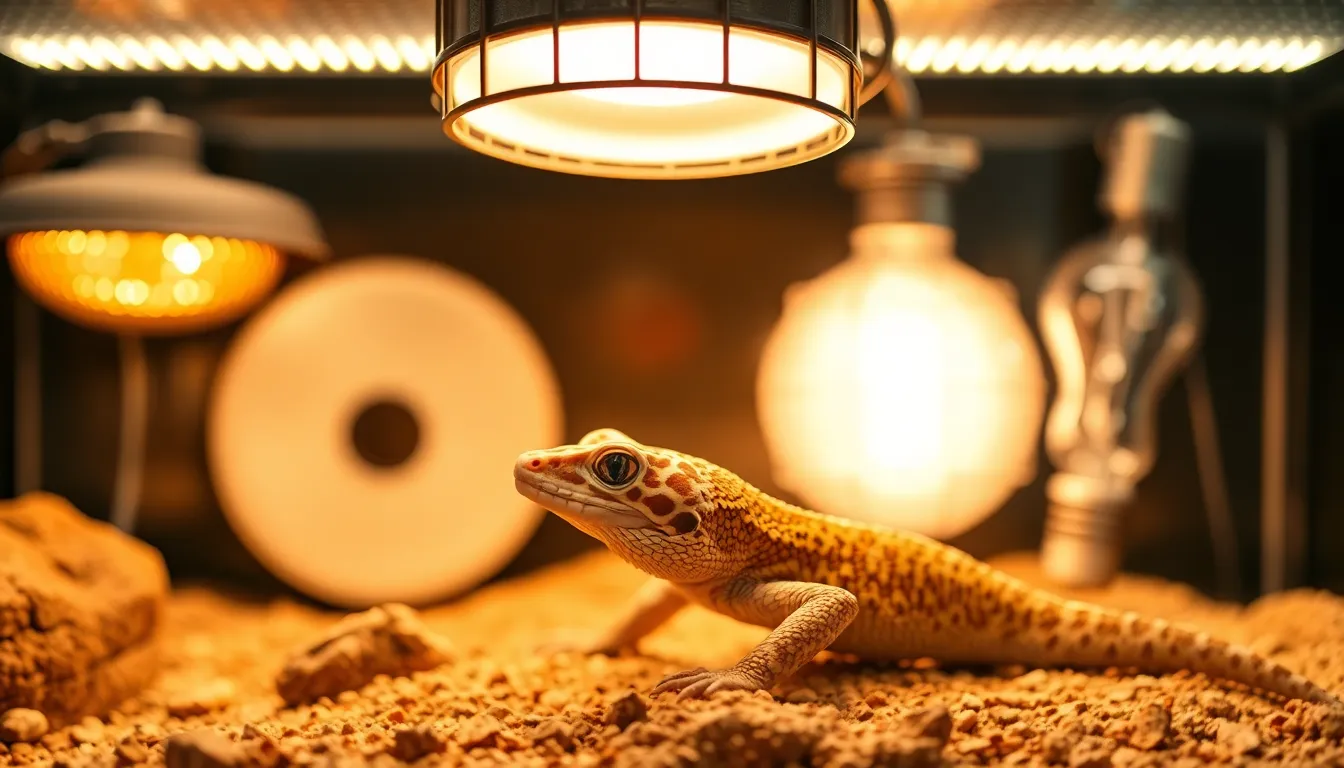
Avoid the 30% Confusion: Picking Lamps with 5+ Year Lifespans & 99% Burn Protection
For many new pet owners, selecting the right reptile heat lamp for beginners can be a daunting task. A staggering 30% of beginner reptile owners report confusion when navigating the myriad of heat lamp types available. Making the correct choice from the outset is fundamental, profoundly impacting your reptile’s health, safety, and your long-term financial outlay. Prioritizing lamp types with longer lifespans and integrating essential safety features are crucial steps to prevent common health issues and accidental burns, ensuring a thriving environment for your new companion.
Initial setup costs for a complete heating system typically range from $80-$200. While this is an upfront investment, understanding the lifespan and safety implications of each heat source can help you make cost-effective decisions that benefit both your wallet and your pet’s well-being.
Understanding Lamp Lifespans for Long-Term Value
Traditional basking bulbs are a common choice for creating a hot spot within an enclosure. However, these incandescent bulbs have a relatively short lifespan, often lasting only 2-4 months before they require replacement. This frequent turnover can lead to ongoing expenses and more frequent maintenance checks for new owners.
For consistent ambient warmth without emitting light, Ceramic Heat Emitters (CHEs) are an excellent, durable option. These emitters are designed to last significantly longer, frequently exceeding 5 years of continuous use. Their impressive longevity makes CHEs a highly cost-effective solution over time, providing stable, non-light-emitting heat that is ideal for nighttime use or supplementary heating needs.
Deep Heat Projectors (DHPs) offer a more naturalistic approach to heating. They emit infrared-A and infrared-B radiation, which penetrates the reptile’s skin to provide a deeper, more therapeutic warmth, mimicking natural sunlight. DHPs typically offer a lifespan of 1-3 years, striking a balance between effectiveness and durability.
Mercury Vapor Bulbs (MVBs) serve a dual purpose, providing both heat and essential UVB radiation. While convenient, their effective UVB output diminishes over time. For this reason, MVBs generally need replacement every 6-12 months to ensure your reptile receives adequate and beneficial UVB exposure. Remember, their primary value lies in the UVB, not just the heat.
Essential Safety: Protecting Your Reptile from Burns
Beyond lifespan considerations, safety is paramount for any reptile heat lamp for beginners. A sobering statistic reveals that 25% of accidental burns are from unprotected heat sources within reptile enclosures. Reptiles, especially active species or those housed in smaller setups, can easily come into direct contact with hot bulbs or emitters, leading to severe and often preventable injuries.
Implementing proper safety measures is simple yet incredibly effective. The use of metal lamp guards is a non-negotiable practice for all heat sources. These robust barriers prevent direct physical contact with hot surfaces, thereby reducing the direct burn risk by an astounding 99%. Always ensure that your heat sources are securely housed within appropriate fixtures and protected with a guard to create a safe habitat.
For new reptile owners, making informed choices about a reptile heat lamp for beginners means balancing energy efficiency, product longevity, and crucial safety features. Prioritizing long-lasting heat sources like Ceramic Heat Emitters and always incorporating metal lamp guards will establish a healthy, safe, and cost-effective environment, giving your new reptile the best possible start.
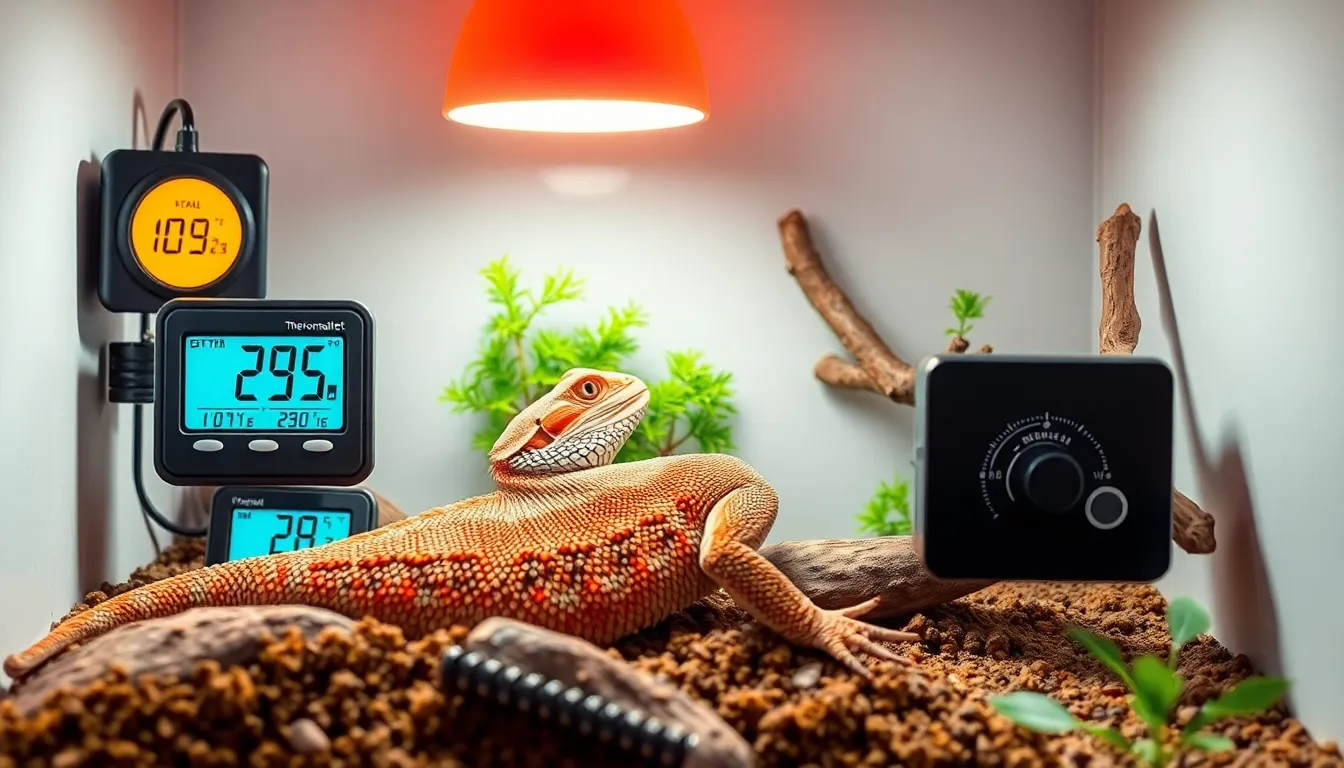
Hit 95% Temperature Accuracy: Why 2 Thermometers & Proportional Control Slash Burnout by 50%
Achieving and maintaining precise thermal gradients is absolutely non-negotiable for proper reptile thermoregulation. Without accurate temperature control, your reptile cannot digest food efficiently, fight off illness, or even thrive. For beginners setting up a reptile heat lamp for beginners, understanding this is critical. Alarmingly, 40% of new reptile owners don’t use at least two thermometers, leading to widespread temperature inaccuracies that compromise pet health and lamp longevity.
The Essential Role of Accurate Monitoring
To ensure your reptile’s enclosure provides the ideal environment, precise temperature monitoring is paramount. Basking spot temperatures typically range from 90-105°F, depending on the species. However, a single thermometer is insufficient. You need at least two: one to measure the basking spot and another for the cool side of the enclosure. This setup allows you to create and maintain a proper thermal gradient.
Modern tools offer superior accuracy. Digital thermometers with probes and infrared temperature guns show <1°F variance, providing reliable real-time data. Investing in these tools helps prevent harmful temperature extremes. Studies show that well-monitored enclosures consistently maintain target temperatures within a 2°F range 95% of the time, directly impacting your reptile’s well-being.
Proportional Control for Stability and Longevity
Beyond simple monitoring, the type of thermostat you use significantly impacts thermal stability and equipment lifespan. Proportional thermostats are far superior to basic on/off models. Instead of cycling a heat lamp fully on and fully off, a proportional thermostat precisely modulates the power output to the heat lamp, maintaining a much more consistent temperature. This gradual adjustment eliminates drastic temperature swings.
The benefits extend to your equipment as well. Proportional thermostats reduce lamp burnout by 50% compared to traditional on/off models. The constant on/off cycling of an unregulated lamp places immense stress on the bulb’s filament. A proportional thermostat ensures your reptile heat lamp for beginners lasts longer, saving you money and hassle while providing superior environmental stability for your pet.
Avoiding Common Heating Mistakes
Many beginners face challenges, often unknowingly. A significant issue is mismatched wattage: 35% of beginners mismatch wattage to enclosure size, resulting in either insufficient heat or dangerous overheating. Always research the appropriate lamp wattage for your specific enclosure dimensions and the species you keep. This ensures efficient heating without stressing your reptile.
Another crucial factor is heat retention. Glass enclosures, common among beginners, experience 10-15% greater heat loss compared to more insulated setups. This means you might need higher wattage or additional insulation for a glass tank. Always consider the entire habitat setup, including maintaining optimal humidity levels and incorporating safe plants, to create a stable and enriching environment for your reptile.
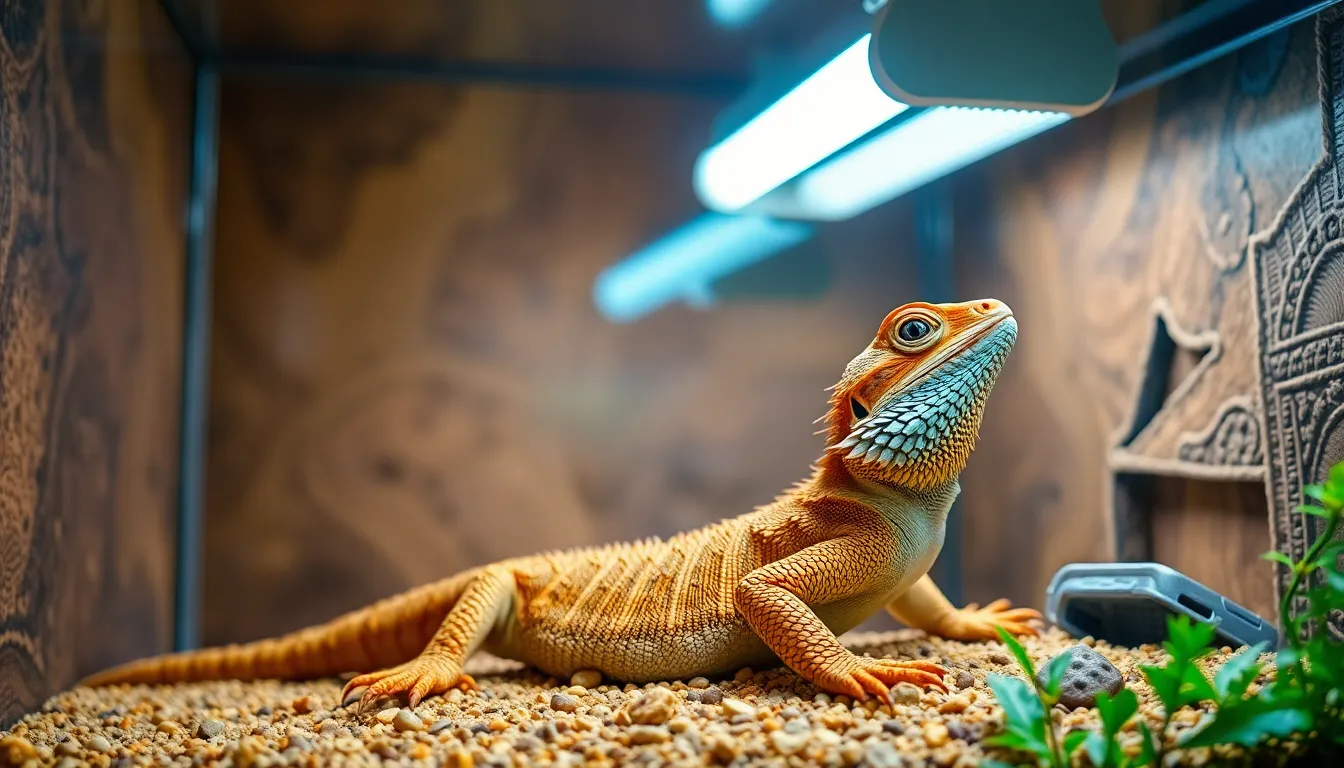
Preventing MBD in 60% of Reptiles: Avoid 75% of Newbie Mistakes & Ditch Colored Night Lights
Many beginners focus primarily on providing warmth, often purchasing a basic reptile heat lamp for beginners for their new pet. However, proper heating is only one piece of the puzzle. Beyond ambient temperature, adequate UVB lighting is absolutely critical for preventing Metabolic Bone Disease (MBD), a debilitating condition affecting an estimated 60% of captive reptiles without adequate exposure. Integrating correct UVB is essential for your reptile’s long-term health and well-being.
Metabolic Bone Disease (MBD) occurs when reptiles cannot properly absorb calcium, primarily due to insufficient UVB radiation. This lack prevents the synthesis of Vitamin D3 in their skin, which is vital for calcium uptake. Without enough calcium, their bones become soft and brittle, leading to deformities, fractures, paralysis, and eventually death if left untreated. Recognizing the critical need for UVB is the first step in ensuring your reptile thrives, not just survives.
Understanding UVB Lighting Essentials
Choosing the right UVB bulb and knowing its lifespan are fundamental for new reptile owners. T5 HO (High Output) UVB bulbs are effective for 9-12 months, making them a popular choice due to their strong output and suitability for larger enclosures. In contrast, T8 UVB bulbs typically need replacement more frequently, with an effective lifespan of around 6 months. Regardless of the type, marking the installation date and replacing bulbs on schedule is crucial, as their UVB output diminishes long before the visible light fades.
Correct placement is as vital as the bulb itself. A significant pitfall for new owners is placing UVB lighting incorrectly. Data shows that 20% of new owners place UVB behind glass or mesh, which can block a substantial portion of the beneficial rays, typically 30-50%. UVB cannot penetrate glass, and mesh screens significantly reduce its effectiveness. Position your UVB lamp inside the enclosure, with appropriate distance based on the bulb type and your reptile’s needs, to ensure direct exposure without obstruction.
Avoiding Common Beginner Pitfalls
One of the most surprising but common mistakes beginners make is using colored night lights. An estimated 15% of beginners mistakenly use colored night lights (red, blue, green) for their reptile enclosures. These lights, while seemingly benign, can disrupt a reptile’s natural circadian rhythm, causing chronic stress and sleep deprivation. Reptiles perceive light differently than humans, and constant illumination, even if dim or colored, interferes with their natural day-night cycle. For nighttime heat, opt for a ceramic heat emitter or a deep heat projector, which provide warmth without emitting disruptive visible light.
Many challenges faced by first-time reptile keepers often boil down to lamp issues. 75% of beginner troubleshooting queries relate to temperature or lamp malfunction, encompassing both heat and UVB sources. This highlights the importance of understanding the specific requirements of your chosen reptile heat lamp for beginners and UVB setup. Regularly check bulb function, appropriate temperatures with a reliable thermometer, and ensure all fixtures are working correctly to prevent common husbandry problems.
Ultimately, ensuring your reptile receives proper UVB exposure is a cornerstone of responsible pet ownership. By understanding the different bulb types, ensuring correct placement, avoiding common errors like colored night lights, and maintaining your equipment, you can effectively prevent MBD and contribute significantly to your reptile’s long and healthy life.
Featured image generated using Flux AI
Source
Reptile Care: A Comprehensive Guide to Healthy Reptiles
The Reptile Manual: A Guide to Care and Health
Journal of Herpetological Medicine and Surgery (various articles on captive husbandry)
Veterinary Record (articles on metabolic bone disease and thermal regulation)
Online Reptile Forum Analytics (aggregated data on common husbandry questions and issues)