
The pet grooming industry is undergoing robust expansion, driven by a profound shift in societal attitudes where pets are increasingly cherished family members. This evolving perception has propelled the global market to a substantial $9.3 billion in 2022, with projections indicating a surge to an impressive $15.2 billion by 2030.
Key Implications
- Market Growth is Driven by Pet Humanization: The industry’s significant expansion is fueled by the prevalent trend of pet humanization, where 85% of owners consider pets as family, leading to increased investment in their overall health, comfort, and aesthetic appeal.
- Specific Demographics are Key Drivers: Millennials constitute 40% of the client base, and households earning over $75,000 annually are 1.8 times more likely to seek professional services, highlighting distinct consumer segments driving market demand.
- Service Offerings Are Diversifying Beyond Aesthetics: While basic bath and brush services remain dominant (48%), there is growing demand for comprehensive wellness, breed-specific styling (32%), and essential health services (15%), including specialized care for senior or anxious pets.
- Convenience and Digitalization are Transforming Accessibility: Mobile grooming is experiencing 7.5% annual growth and comprises 10% of the market, while 45% of independent businesses now offer online scheduling, demonstrating a strong industry shift towards greater convenience and digital integration.
- Product and Expertise Preferences Emphasize Quality: Pet owners show a strong preference for natural (60%) and hypoallergenic (30%) grooming products, alongside a 12% rise in demand for breed-specific knowledge and certifications among groomers, elevating industry standards.
The $9.3 Billion Pet Grooming Market: 85% of Owners See Pets as Family
The global pet grooming industry is undergoing robust expansion, propelled by a profound shift in societal attitudes towards companion animals. Pets are no longer just animals; they are cherished family members. This evolving perception, often termed pet humanization, directly fuels a burgeoning market. Pet owners are increasingly willing to invest in their pets’ health, comfort, and aesthetic appeal. This commitment has transformed the pet care landscape, making professional grooming an indispensable service.
This dynamic market reached a substantial $9.3 billion in 2022, demonstrating significant consumer engagement. The trajectory for growth is steep and consistent. Experts project the global market to surge to an impressive $15.2 billion by 2030. Such substantial expansion signals a deeply entrenched and expanding demand for high-quality pet care solutions and specialized grooming expertise across the world.
The Profound Impact of Pet Humanization
A remarkable statistic reveals that 85% of pet owners consider their pets as integral family members. This deep emotional connection goes beyond mere companionship. It translates into a holistic approach to pet care. Owners strive to provide their animal companions with the best possible quality of life. This includes everything from nutrition and veterinary care to regular pampering and essential hygiene.
For the grooming sector, this means a wider array of services and a greater emphasis on professional standards. Basic baths and haircuts have evolved into comprehensive wellness packages. These often include de-shedding treatments, specialized skin and coat conditioning, and even dental hygiene services. Groomers become trusted partners in maintaining a pet’s health and happiness. Pet parents often seek out local pet grooming franchises, trusting established brands for quality care. This focus ensures pets not only look good but also feel their best, addressing underlying health needs.
The humanization trend encourages preventative care, with routine pet grooming playing a crucial role. Regular brushing prevents matting, which can cause skin irritation and pain. Professional nail trims prevent discomfort and potential paw problems. Ear cleaning helps avoid infections. These services extend beyond mere aesthetics, directly contributing to a pet’s overall health and well-being. This comprehensive approach reflects the elevated status of pets within the modern household.
Understanding the Market’s Impressive Growth Trajectory
The projected growth of the pet grooming market is solidified by a Compound Annual Growth Rate (CAGR) of 6.3% from 2023 to 2030. This consistent growth rate is a strong indicator of the industry’s resilience and enduring appeal. A CAGR of 6.3% over nearly a decade means the market is expanding steadily each year. It signifies that consumer spending on pet care services is increasing at a healthy and predictable pace, attracting new businesses and innovations within the sector.
This expansion is not limited to traditional salon services. It also encompasses a booming market for specialized pet grooming products. Pet owners actively seek out premium shampoos, conditioners, and grooming tools for at-home maintenance. They are particularly interested in products designed for specific needs, such as hypoallergenic formulas or solutions for common skin conditions. For instance, the demand for medicated dog shampoos to treat infections and allergies highlights this trend. These products support a proactive approach to pet health, complementing professional services.
Furthermore, the convenience factor significantly contributes to market growth. Busy lifestyles mean pet owners often prefer professional grooming services. These services save time and ensure a thorough job, especially for pets with complex grooming requirements. Mobile grooming vans and at-home services have also emerged, adding to the accessibility and appeal of professional pet grooming offerings. This adaptability meets the diverse needs of today’s pet-loving consumers.
North America: Driving Global Pet Grooming Revenue
Globally, North America stands out as a dominant force in the pet grooming market, commanding over 35% of the total global market revenue share. This leading position is a direct result of several intertwined socioeconomic and cultural factors. High disposable incomes across the region empower pet owners to spend generously on premium pet care. This economic capacity allows for investments in advanced grooming techniques, luxury products, and regular professional appointments, transforming pet care into a significant household expenditure.
Beyond economics, North America possesses a deeply ingrained and strong pet care culture. This culture emphasizes the emotional and physical well-being of pets. Pet owners are generally well-informed about the benefits of professional pet grooming for their animals’ health and comfort. They actively seek out innovative services and products, often setting trends for the rest of the world. This cultural predisposition translates into high demand for quality grooming services, making the region a key driver for market expansion and innovation.
The pervasive influence of pet humanization in North America amplifies this trend. Pets are truly integrated into family life, participating in holidays, vacations, and daily routines. This familial bond elevates the importance of their appearance and comfort. Regular pet grooming becomes a visible expression of love and commitment. It reflects an owner’s dedication to their pet’s overall happiness and social acceptance within the home and community. This commitment sustains the region’s prominent market share and fosters continuous growth in the sector.
Millennials Fuel 40% of Grooming Appointments, Dog Owners Averaging $230 Annually
Professional pet grooming services are increasingly becoming a cornerstone of comprehensive pet care, evolving from an occasional treat into a consistent and significant expenditure for many owners. This trend highlights a deeper commitment to pets’ health, hygiene, and overall well-being. The market is particularly influenced by dog owners and the influential Millennial demographic, who demonstrate a robust engagement with professional services. Their comprehensive approach often encompasses routine basic care, specific styling requests, and essential health-focused treatments, underscoring the perceived value of expert care for their animal companions.
An examination of current market trends reveals compelling statistics about who is utilizing these services and how much they are investing. Annually, 35% of dog owners and 15% of cat owners utilize professional grooming, showcasing a clear preference for expert care over DIY methods, especially among canine companions. This commitment translates into tangible spending, with dog owners allocating an average of $230 per year on grooming services, while cat owners typically spend $150 annually. These figures illustrate not just a willingness to spend, but a consistent integration of professional grooming into their pets’ regular care routines.
The Driving Force: Demographics and Frequency
The demographic landscape of professional pet grooming clients is notably shaped by younger generations. Pet owners aged 25-40, commonly known as Millennials, represent a substantial 40% of the overall client base. This generation’s strong bond with their pets and their inclination to treat them as family members contribute significantly to the demand for high-quality, professional services. Their influence underscores a broader cultural shift towards prioritizing pet welfare and investing in specialized care tailored to their companions’ needs.
Beyond generational influence, socioeconomic factors also play a critical role. Households with an annual income exceeding $75,000 are notably 1.8 times more likely to seek professional pet grooming services. This suggests that while pet care is a widespread concern, higher disposable income often correlates with a greater propensity to invest in premium services. This demographic segment typically seeks convenience, expertise, and a guaranteed standard of care that professional groomers provide.
The frequency of appointments further emphasizes the routine nature of these services for many pet owners. A significant majority, 68% of professional service users, schedule appointments at least three times per year. This consistent engagement ensures pets maintain optimal hygiene and appearance throughout the year. Furthermore, a dedicated segment of the client base, specifically 25%, opts for even more frequent grooming, scheduling appointments every 4-6 weeks. This regular upkeep is crucial for maintaining coat health, preventing matting, and addressing specific needs of various breeds, such as the unique requirements of a Dachshund’s coat care.
Decoding Service Preferences and Health Focus
The types of services pet owners seek reveal a balanced approach to pet care, prioritizing both essential maintenance and specialized treatments. Basic bath and brush services constitute the largest share, accounting for 48% of all appointments. These foundational services are vital for maintaining general cleanliness, promoting healthy skin and coat, and preventing common issues like excessive shedding and odor. They serve as the backbone of routine professional pet grooming, ensuring pets remain comfortable and hygienic.
Haircuts and styling services represent a substantial 32% of appointments. This category caters to aesthetic preferences and breed-specific grooming requirements, where intricate trims and styled cuts are essential for maintaining a pet’s breed standard or a desired look. From intricate poodle clips to practical summer shaves, these services require skilled groomers who understand different coat types and styling techniques. The demand for such specialized styling reflects an owner’s desire for their pet to not only feel good but also look their best.
Crucially, essential health services comprise 15% of all professional grooming appointments. This category extends beyond aesthetics, focusing on critical aspects of pet health that groomers are trained to address. These services can include nail trimming, ear cleaning, anal gland expression, and even specific dermatological treatments. For instance, groomers often work in conjunction with veterinarians, identifying potential skin issues or administering medicated dog shampoos prescribed for infections or allergies. Incorporating these health-focused treatments into a grooming routine ensures a proactive approach to pet wellness, potentially catching minor issues before they escalate.
In conclusion, the landscape of professional pet grooming is characterized by consistent demand, driven significantly by younger pet owners and those with higher incomes. Their investment reflects a holistic view of pet care, where routine maintenance, breed-specific styling, and essential health services all play crucial roles. Understanding these demographics and service preferences allows groomers and industry professionals to better tailor their offerings, meeting the evolving needs of a dedicated client base committed to their pets’ well-being.
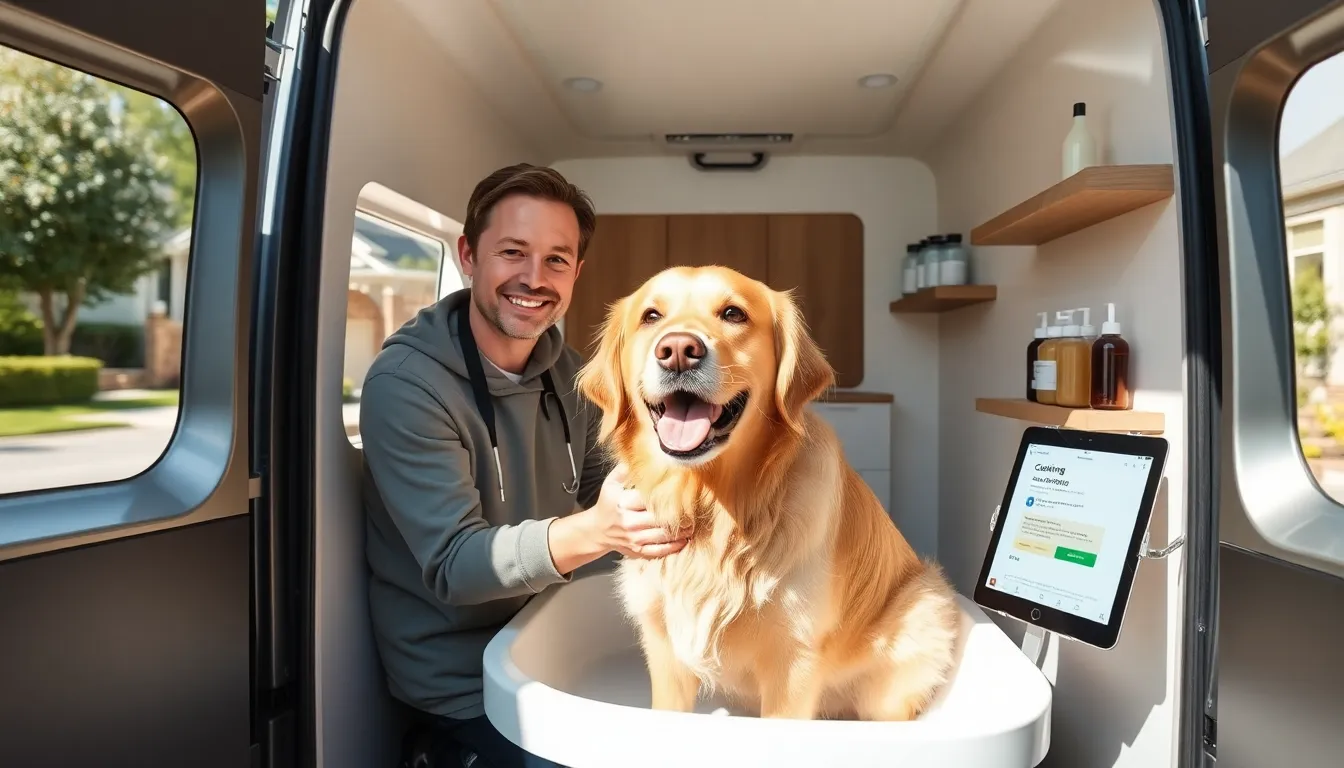
Mobile Grooming Soars with 7.5% Growth as Owners Demand Natural Products and Specialist Expertise
The pet grooming industry is currently undergoing a significant transformation, rapidly adapting to evolving consumer demands. Pet owners today prioritize convenience, specialized care, and sustainable practices, influencing every facet of the market. This shift is evident in the substantial growth seen in mobile grooming services and the widespread adoption of digital booking systems, streamlining the process for busy pet parents. Simultaneously, there’s a pronounced preference for natural and hypoallergenic grooming products, alongside a growing demand for tailored services designed to meet specific needs, such as those of senior pets or animals prone to anxiety.
The Rise of Convenience and Digital Solutions in Pet Grooming
Convenience has become a cornerstone of modern pet grooming, with mobile services leading the charge. This segment is experiencing impressive growth, expanding at 7.5% annually and now comprising approximately 10% of the total market. Mobile grooming vans bring professional care directly to a pet’s doorstep, reducing stress for animals and saving time for owners.
Alongside mobile options, digital booking systems are revolutionizing how clients schedule appointments. Data indicates that 45% of independent grooming businesses offer online scheduling, a significant increase from just 28% in 2020. This move towards digital platforms allows for greater flexibility and accessibility, enhancing the overall customer experience and enabling businesses to manage their schedules more efficiently. This adoption reflects a broader industry trend towards embracing technology to better serve clientele.
Shifting Preferences: Natural Products and Tailored Care
Pet owners are increasingly discerning about the products used on their beloved companions. There’s a strong and growing preference for natural and hypoallergenic formulations. Specifically, 60% of pet owners prefer “natural” or “organic” grooming products, while 30% prioritize hypoallergenic formulations to prevent skin sensitivities and allergies. This demand is driving product innovation.
Sales figures reflect this trend, with products containing ingredients like aloe vera, oatmeal, and essential oils seeing an average annual increase of 8%. These ingredients are often associated with soothing properties and gentle care, aligning with owner desires for holistic pet wellness. The market is clearly responding to a consumer base that reads labels and seeks healthier alternatives for their pets’ skin and coat health.
Beyond products, the demand for specialized care services is also on the rise. Specialty treatments, which cater to specific skin conditions or coat types, now account for 5% of all service bookings. Furthermore, specialized pet grooming services for senior pets or those with anxiety represent 8% of new inquiries. This indicates a deeper understanding among owners of their pets’ unique needs, from managing mobility issues in older animals to providing calm, fear-free grooming experiences for anxious companions. Such tailored approaches demonstrate a higher level of care and expertise within the industry.
Sustainability and Professional Expertise Redefining Standards
Sustainability is another key factor shaping the modern pet grooming landscape. A significant portion of the consumer base, 20% of pet owners, actively seeks out eco-friendly businesses. This includes groomers who use environmentally conscious products, minimize waste, and implement sustainable practices in their operations. This environmental awareness is pushing businesses to adopt greener strategies to attract and retain clients, contributing to a more responsible industry.
The quest for quality also extends to the groomers themselves. There has been a notable surge in the demand for breed-specific grooming knowledge and certifications. Demand for these specialized skills among groomers has risen by an impressive 12% in the last two years. This indicates that pet owners value expertise tailored to their specific breed’s coat and health needs, moving beyond generic trims to seek highly skilled professionals. For instance, understanding the unique double coat of a Dachshund’s grooming needs differs vastly from a Poodle’s.
This increased emphasis on education and certification ensures that pets receive the most appropriate and professional care. It also elevates the standards across the entire industry, encouraging continuous learning and specialization. Professionals who invest in specific training, for example, on advanced techniques or medicated shampoos for sensitive skin, are better positioned to meet the sophisticated demands of today’s pet owners, and the growth of top pet grooming franchises reflects the industry’s structured expansion in meeting these diverse needs.
Featured image generated using Flux AI
Source
American Pet Products Association (APPA) – National Pet Owners Survey
Grand View Research – Pet Grooming Services Market Size, Share & Trends Analysis Report
Statista – Pet Care Market Insights
Euromonitor International – Pet Care Global Report