
천연 벼룩 퇴치제, 정말 효과 있을까? 189억 달러 시장의 진실
“화학 성분은 싫고, 천연 제품으로 벼룩을 퇴치하고 싶어요!” 요즘 많은 반려동물 보호자들이 이렇게 생각하고 있어요. 실제로 엄청난 돈이 천연 벼룩 퇴치 제품 시장으로 쏟아지고 있죠. 하지만 수의사들의 생각은 좀 다르다는 거, 알고 계셨나요?
오늘은 천연 벼룩 퇴치제의 진실과 실제 효과에 대해 솔직하게 알아볼게요!
📌 핵심 요약
해외 반려동물 산업 시장 조사 및 수의학 연구 결과:
- 시장 성장 vs 전문가의 신중함: 보호자들의 막대한 투자와 천연 벼룩 퇴치제에 대한 강한 관심은 수의사들의 신중한 접근과 극명한 대조를 이뤄요. 수의사들은 효과의 일관성 부족과 안전성 우려 때문에 이런 방법을 주요 단독 솔루션으로 거의 추천하지 않아요.
- 효과의 차이와 위험성: 식품 등급 규조토는 통제된 환경에서 높은 효과를 보이지만, 널리 인기 있는 에센셜 오일은 제한적인 기피 효과만 있고 특히 고양이에게 심각한 독성 위험이 있어요.
- 규제 기준 부재: 많은 천연 반려동물 제품에 대한 표준화된 규제 감독이 없어서 안전성과 효과에 대한 불확실성이 생기고, 수의사들이 자신 있게 추천하기 어려워요.
💰 189억 달러 시장의 역설
천연 반려동물 케어 제품 시장이 엄청난 붐을 경험하고 있어요. 특히 강아지와 고양이를 위한 천연 벼룩 퇴치제에 대한 관심이 폭발적이죠. 거의 절반에 가까운 보호자들이 화학 성분이 없는 대안을 적극적으로 찾고 있어요.
놀라운 시장 성장 전망
해외 시장 조사 기관 Grand View Research의 “천연 반려동물 케어 제품 시장 규모, 점유율 및 트렌드 분석 보고서” 결과:
글로벌 천연 반려동물 케어 제품 시장
- 2030년 전망: 189억 달러 (약 25조 원)
- 연평균 성장률(CAGR): 6.1%
이 재정적 헌신은 보호자들이 천연 솔루션에 두는 믿음을 보여줘요!
보호자들이 천연 제품을 찾는 이유
해외 반려동물 산업 협회의 “2023 반려동물 보호자 설문조사: 반려동물 건강 및 웰빙 트렌드” 결과:
천연 또는 무화학 옵션 추구 – 48% 보호자의 거의 절반이 벼룩 예방을 위해 천연 또는 무화학 옵션을 적극적으로 찾아요.
주된 이유: 화학 부작용 우려 – 67% 천연 대안을 선택하는 이들 중 무려 67%가 잠재적 화학 부작용을 주된 이유로 꼽았어요.
주요 관심사:
- 반려동물 안전
- 환경에 미치는 영향
- 화학 성분에 대한 우려
이런 강한 소비자 수요가 산업을 앞으로 나아가게 하며, 천연 옵션을 많은 보호자들의 초점으로 만들고 있어요.
🩺 수의사들의 현실적 시각
막대한 투자와 강한 보호자 관심에도 불구하고, 전문 수의학적 추천에는 눈에 띄는 간극이 존재해요. 수의사들은 효과적인 벼룩 통제를 위한 주요 단독 솔루션으로 천연 방법을 거의 추천하지 않아요.
수의사들이 신중한 이유
해외 미국 수의사 협회(AVMA) 저널의 “벼룩 통제 전략에 대한 수의사 관점” 연구 결과:
1. 효과의 일관성 부족 많은 천연 치료법의 일관된 효과에 대한 여러 중요한 우려가 있어요. 이는 종종 기존 제품으로 볼 수 있는 즉각적이고 검증 가능한 결과와 대조돼요.
2. 부적절한 사용 우려 수의학 전문가들은 보호자들의 천연 제품 부적절한 사용 가능성에 대해 우려를 표현해요. 잘못된 적용이나 용량은 치료를 비효과적으로 만들어서 반려동물의 지속적인 감염과 불편함으로 이어질 수 있어요.
3. 규제 감독 부재 수의사들 사이의 중요한 우려는 많은 천연 반려동물 제품에 대한 표준화된 규제 감독의 부족이에요. 이는 안전성과 진정한 효과를 평가하기 어렵게 만들어요. 이런 규제 부재는 전문가 신뢰와 추천 패턴에 영향을 미쳐요.
데이터로 보는 격차
해외 수의학 조사 결과:
보호자 관심 인지 – 78% 수의학 전문가의 78%가 천연 벼룩 치료에 대한 보호자들의 관심을 인정해요.
주요 단독 솔루션으로 추천 – 단 18% 하지만 단 18%만이 주요 단독 솔루션으로 이를 일상적으로 추천해요. 대다수의 수의사들은 신중을 유지하며 입증된 효과와 안전성을 우선시해요.
규제 감독 부족에 대한 강한 우려 – 82% 놀랍게도 82%의 수의사가 시장의 많은 천연 반려동물 제품을 규제하는 표준화된 규제 감독의 부족에 대해 강한 우려를 표명했어요. 이런 규제 공백은 제품 주장과 성분에 대한 불확실성을 만들어서 강아지와 고양이를 위한 종합적인 천연 벼룩 치료 프로그램으로 추천하는 데 대한 그들의 신뢰에 영향을 미쳐요.
🔬 천연 제품별 효과와 안전성
벼룩 통제를 위해 수많은 천연 방법이 탐구되지만, 강아지와 고양이를 위한 종합적인 천연 벼룩 치료로서 효과는 크게 다르답니다. 많은 접근법이 일시적 안도만 제공하거나 물리적 장벽으로 작용하며, 중요하게도 여러 방법이 반려동물에게 주목할 만한 안전 위험을 지녀요.
규조토(Diatomaceous Earth): 효과와 주의사항
높은 효과율 – 90-95% 해외 경제 곤충학 저널의 “벼룩에 대한 규조토의 효과” 연구에 따르면, 식품 등급 규조토(DE)는 실험실 환경에서 벼룩에 대해 높은 효과를 입증했어요. 72시간 동안 처리된 환경에서 성충 벼룩에 대해 90-95%의 치사율을 보였어요. 이는 환경 처리로서의 잠재력을 나타내요.
작동 원리: 곤충의 외골격에서 지질을 흡수해서 탈수와 죽음을 일으켜요.
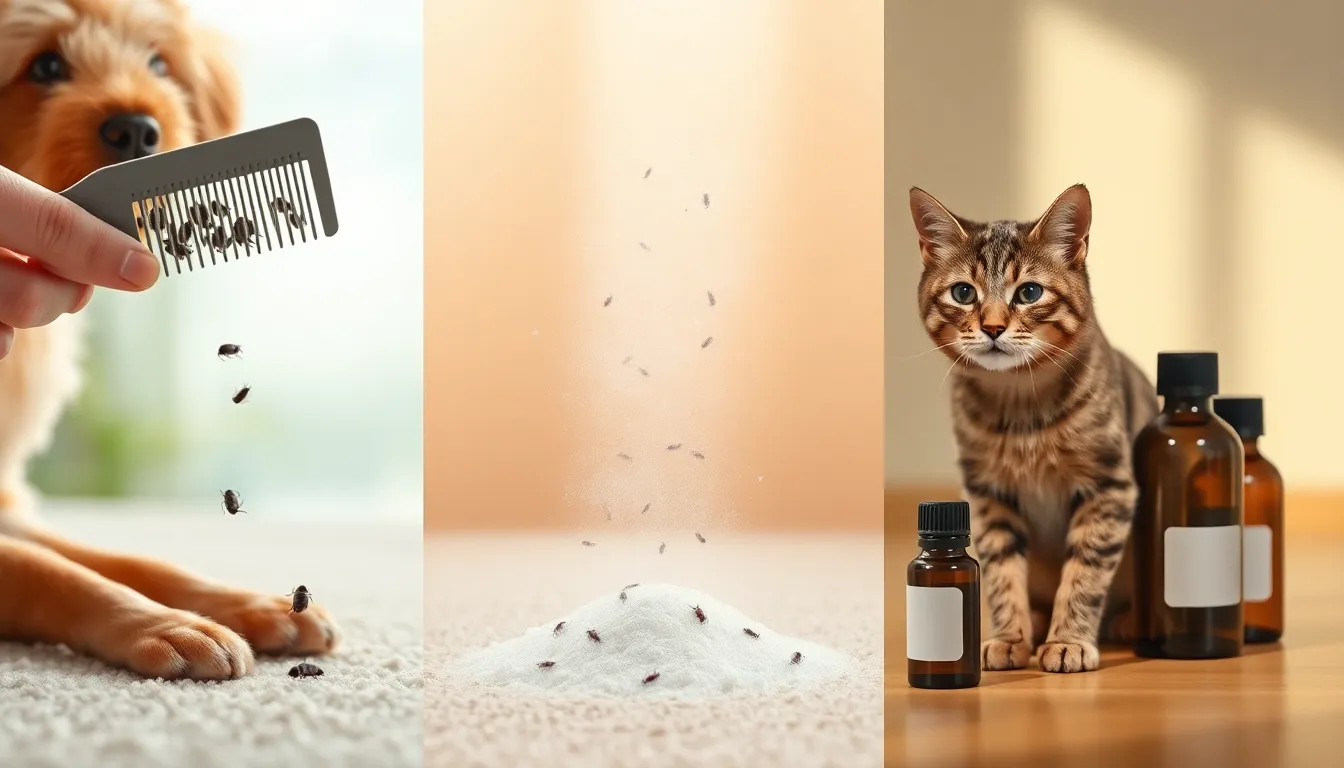
⚠️ 중요한 주의사항 – 호흡기 자극 5% 하지만 규조토를 사용할 때는 신중한 적용이 가장 중요해요. 미세한 먼지의 흡입은 약 5%의 동물에게 영향을 미치는 호흡기 자극을 일으킬 수 있어요.
안전한 사용 팁:
- 적절한 환기 유지
- 반려동물 털에 직접 적용 피하기
- 카펫이나 침구에 집중
- 보호자와 반려동물 모두를 위한 호흡 문제 피하기
에센셜 오일: 제한적 효과와 높은 위험
해외 수의 기생충학 저널의 “벼룩에 대한 시더우드 오일의 기피 효과” 연구 결과:
제한적이고 일시적인 효과 널리 인기 있음에도 불구하고, 에센셜 오일은 벼룩에 대해 제한적이고 종종 일시적인 기피 효과만 제공해요. 예를 들어, 1% 시더우드 오일 용액은 최대 3시간 동안 지속되는 60%의 기피 효과만 보였어요. 이는 이용 가능한 많은 약학적 대안에 비해 훨씬 덜 효과적이고 지속적이에요.
기존 치료법과의 비교 – 15% 미만 에센셜 오일에 대한 연구의 15% 미만만이 기존 치료법에 필적하는 지속적이고 의미 있는 벼룩 통제를 입증했어요.
⚠️ 심각한 독성 위험 – 특히 고양이에게 해외 ASPCA 동물 독성 통제 센터의 “반려동물 독성 연례 보고서: 에센셜 오일 노출” 결과:
에센셜 오일의 주요 우려는 특히 고양이에게 상당한 독성 위험이에요. 고양이는 개와 다르게 물질을 대사해서 부작용에 매우 취약해요. 에센셜 오일과 관련된 독성 통제 센터에 대한 부작용 보고의 약 12%가 고양이 노출과 관련되었어요.
이런 위험은 에센셜 오일이 일반적으로 특히 고양이를 위한 안전한 천연 벼룩 치료로 추천되지 않는 이유를 강조해요!
100% 안전한 물리적 제거: 벼룩 빗
해외 수의 내과학 저널의 “반려동물의 천연 벼룩 및 진드기 통제제 검토” 결과:
가장 확실하고 안전한 방법 즉각적이고 명백하게 안전한 벼룩 제거를 위해, 벼룩 빗을 통한 부지런한 물리적 제거가 최고의 기준으로 남아 있어요.
벼룩 빗의 장점:
- 100% 안전하고 무독성
- 성충 벼룩, 알, 유충을 반려동물 털에서 직접 제거
- 화학적 위험 없음
- 즉각적인 안도감 제공
해충 관리를 위한 더 효과적인 천연 전략을 탐구하려면 실외 고양이의 벼룩을 퇴치하는 천연 방법에 대해 알아볼 수 있어요.
기타 천연 방법의 주의사항
다른 천연 접근법도 자체적인 경고와 함께 와요. 예를 들어, 때때로 제안되지만 희석되지 않은 사과식초는 약 3%의 반려동물에게 피부 자극이나 심지어 화학 화상을 일으킬 수 있어요.
항상 특정 반려동물의 필요에 안전하고 효과적이라고 입증된 방법을 우선시하세요!
💡 현명한 선택을 위한 가이드
천연 벼룩 퇴치제를 고려할 때는 다음 사항들을 꼭 기억하세요:
✅ 추천하는 방법
- 벼룩 빗 사용 – 가장 안전하고 효과적
- 수의사와 상담 – 전문가의 조언이 최우선
- 반려동물 건강 관리 – 종합적인 접근이 중요
⚠️ 주의가 필요한 방법
- 에센셜 오일 – 특히 고양이에게 위험
- 희석되지 않은 식초 – 피부 자극 가능
- 규제되지 않은 제품 – 성분 확인 필수
🔗 더 알아보기
반려동물 건강과 관련된 더 많은 정보를 원하신다면:
Featured image generated using Flux AI
Source
Grand View Research, “Natural Pet Care Product Market Size, Share & Trends Analysis Report”
Pet Industry Association, “2023 Pet Owner Survey: Trends in Pet Health & Wellness”
Journal of Economic Entomology, “Efficacy of Diatomaceous Earth Against Fleas (Ctenocephalides felis)”
Veterinary Parasitology, “Repellent Efficacy of Cedarwood Oil Against Fleas”
Journal of Veterinary Internal Medicine, “Review of Natural Flea and Tick Control Agents in Companion Animals”
American Veterinary Medical Association (AVMA) Journal, “Veterinarian Perspectives on Flea Control Strategies”
ASPCA Animal Poison Control Center, “Annual Report on Pet Toxicities: Essential Oil Exposures”
Pet Product News International, “Market Trends Report: Flea & Tick Control”