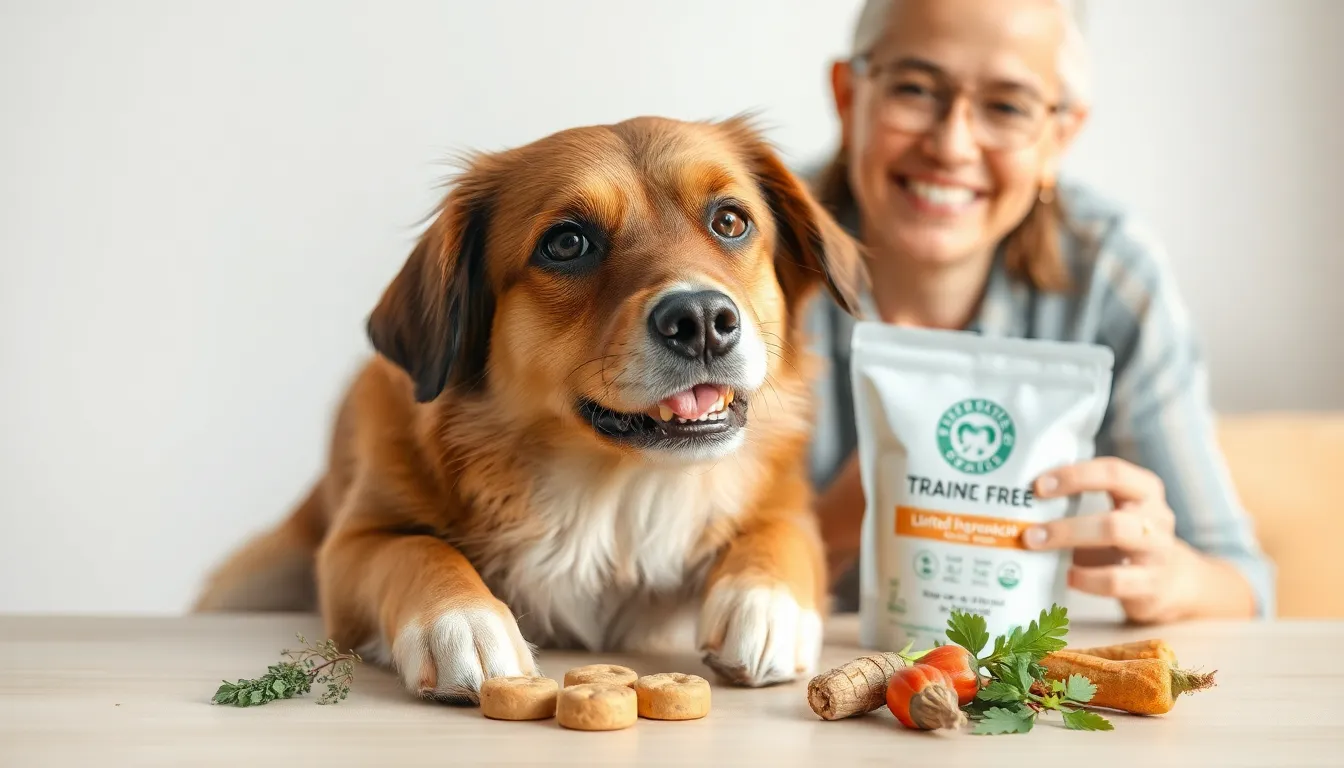
Grain-Free Dog Treats: 1 Best for Sensitive Stomachs

The pet food industry is witnessing an extraordinary boom in demand for grain-free dog treats for sensitive stomachs, driven by increasing awareness of canine digestive health challenges. This significant market growth underscores a clear shift in pet owner priorities towards specialized dietary solutions that enhance their companions’ overall well-being.

Key Implications:

  • Specialized Market Growth: The global grain-free pet food market is experiencing a robust financial surge, reaching $56.4 billion in 2022 and projected for continued growth, primarily fueled by a significant rise in canine food sensitivities and strong owner perception of tailored dietary benefits.
  • Formulation Efficacy: Effective grain-free treats are precisely formulated with highly digestible ingredients (over 85% protein, 80% fat), novel protein sources, and safe carbohydrate alternatives like sweet potatoes, leading to clinically proven symptom improvements such as a 75% reduction in vomiting episodes.
  • Evolving Owner Demands: Pet owners prioritize specific qualities in sensitive stomach treats, with 55% seeking limited ingredients, 48% emphasizing digestibility, 42% desiring natural components, and 20% actively looking for prebiotics or probiotics to support their dogs’ gut health.
grain-free dog treats for sensitive stomachs

The $56 Billion Surge: How Digestive Woes Drive Grain-Free Demand

The market for specialized pet food is currently experiencing an unprecedented surge in growth. This expansion is driven by two primary factors: a significant rise in canine food sensitivities and a widespread perception among owners regarding the benefits of tailored diets. For instance, the global grain-free pet food market alone reached an approximate value of $56.4 billion in 2022. Industry experts further project a robust 6.2% compound annual growth rate (CAGR) from 2023 to 2030. This impressive financial trajectory directly reflects the escalating demand for specific dietary solutions, including innovative grain-free dog treats for sensitive stomachs.

This substantial market growth underscores a clear shift in pet owner priorities. They are increasingly seeking out food and treat options designed to address particular health concerns. The focus has moved beyond basic nutrition to specialized care. This includes carefully formulated options aimed at improving digestive health and overall well-being. The investment reflects a deeper understanding of pet dietary needs.

The Hidden Toll: Canine Food Sensitivities

A notable segment of the canine population actively struggles with adverse food reactions. Data indicates that an estimated 10% to 15% of all dogs experience these sensitivities. Such conditions necessitate specific dietary adjustments for a considerable number of pet parents. These adverse reactions can manifest in various ways. A significant majority, approximately 60% of these affected dogs, specifically exhibit noticeable gastrointestinal symptoms.

These symptoms often include recurring bouts of vomiting, chronic diarrhea, and persistent abdominal discomfort. Such digestive issues can severely impact a dog’s quality of life, causing distress for both the pet and its owner. This urgent need for gentle and effective dietary solutions drives owners to explore alternatives. Understanding how to find a dog food if your pet has allergies becomes a top priority, guiding choices towards specialized, often grain-free, formulas.

Owner Perception Fuels Grain-Free Demand

Beyond scientific data, the perception and beliefs of pet owners significantly shape the specialized pet food market. A recent survey highlighted this trend, revealing that 40% of pet owners perceive grain-free treats as beneficial for dogs with sensitive stomachs. This strong conviction often originates from observing positive changes in their pets’ health after switching diets. It also aligns with a general preference for products with more “natural” or perceived healthier ingredients.

Pet owners are proactive in seeking specific options they believe will alleviate their dogs’ digestive issues. This dedication aims to enhance their dog’s overall comfort and quality of life. This direct consumer demand is a primary force behind the rising popularity of grain-free dog treats for sensitive stomachs. It encourages manufacturers to innovate and expand their lines. This trend also extends to broader health-conscious choices, such as searching for the best organic dog food. Additionally, many owners prioritize identifying people foods to avoid for pets, embracing a holistic and preventive approach to canine health and nutrition.

grain-free dog treats for sensitive stomachs

Targeting GI Relief: The Ingredients and Digestibility That Deliver 75% Symptom Improvement

Effective grain-free dog treats for sensitive stomachs are specifically formulated to alleviate gastrointestinal issues in canines. These specialized treats prioritize a blend of highly digestible ingredients, novel protein sources, and safe carbohydrate alternatives. Veterinarians endorse this approach, recognizing its significant potential to improve various gastrointestinal symptoms in affected dogs.

The Science of Digestibility and Symptom Reduction

A cornerstone of effective relief for sensitive stomachs lies in high ingredient digestibility. Diets are considered well-tolerated when they achieve a digestibility coefficient exceeding 85% for protein and 80% for fat. This ensures maximum nutrient absorption and minimizes the burden on a sensitive digestive system, a crucial factor for grain-free dog treats for sensitive stomachs. Choosing appropriate ingredients helps avoid common irritants that can lead to discomfort.

Clinical evidence supports the efficacy of carefully selected diets. A feeding trial involving dogs on a highly digestible, novel protein, grain-free regimen demonstrated remarkable improvements. The study reported a 75% reduction in vomiting episodes and a 68% improvement in stool quality. These findings highlight the tangible benefits of choosing treats formulated with a deep understanding of canine digestive health.

Navigating Allergens and Safe Alternatives

Food allergies are a significant concern for dogs with sensitive stomachs, with wheat accounting for 13% of canine food allergies. This statistic underscores the importance of truly grain-free options. While avoiding common allergens, it is equally vital to select safe and beneficial alternatives. Novel protein sources, such as duck or venison, help bypass allergic reactions that traditional proteins like chicken or beef might trigger. To learn more about selecting appropriate foods for allergic pets, consider reviewing resources on specialized diet solutions.

Sweet potatoes are a popular and effective carbohydrate alternative, now incorporated into 45% of top-selling grain-free treats. Their low allergenicity makes them an excellent choice; adverse reactions to sweet potatoes occur in less than 1% of dogs with diagnosed food allergies. This makes them a reliable and gentle option compared to many grains. Understanding people foods to avoid for pets can further ensure your dog’s diet remains free from harmful ingredients. By focusing on these digestible, novel, and safe components, grain-free dog treats for sensitive stomachs can provide genuine relief and contribute to your dog’s overall well-being.

grain-free dog treats for sensitive stomachs

55% of Pet Owners Demand Simplicity: What to Look for in Sensitive Stomach Treats

Pet owners are increasingly seeking specialized options when it comes to rewarding their furry companions, particularly when dealing with dietary sensitivities. The demand for effective and gentle grain-free dog treats for sensitive stomachs has surged, driven by a clearer understanding of canine digestive health. A recent survey highlights these evolving priorities, revealing a significant focus on ingredient quality and simplicity.

Specifically, the survey indicated that 55% of owners prioritize “limited ingredients” in their pet’s treats. This strong preference underscores a desire for formulations that reduce the risk of irritation and simplify allergen identification. This focus directly contributes to better digestive comfort for dogs.

Prioritizing Digestibility and Natural Ingredients

Beyond simply limiting ingredients, other factors play a crucial role in treat selection for sensitive dogs. The survey found that 48% of pet owners emphasize digestibility as a top concern. Highly digestible treats ensure that nutrients are absorbed efficiently, minimizing gastrointestinal upset and making them ideal for dogs prone to discomfort. These treats often feature easily processed carbohydrates and carefully selected protein sources.

Similarly, 42% of owners actively seek natural ingredients in their dog’s treats. This preference aligns with a broader trend towards wholesome, minimally processed foods, avoiding artificial additives, colors, or preservatives that can sometimes trigger sensitivities. Choosing treats with natural ingredients can offer peace of mind, knowing your dog is consuming beneficial components. Many brands now offer novel protein sources like venison or duck, which are less likely to cause allergic reactions.

The Growing Demand for Digestive Aids

An even more specialized requirement has emerged among a notable segment of pet owners: the inclusion of digestive aids. The survey revealed that 20% of owners specifically look for treats with prebiotics or probiotics. These beneficial ingredients work to support a healthy gut microbiome, which is essential for proper digestion and overall immune function. Prebiotics act as food for beneficial gut bacteria, while probiotics introduce live, beneficial bacteria directly into the digestive system.

Leading brands are actively responding to these sophisticated demands. Companies such as Zuke’s Mini Naturals, Blue Buffalo Wilderness, Wellness CORE, Instinct, and Natural Balance L.I.D. are prominent examples. These brands consistently offer specialized diet solutions by utilizing simplified ingredient panels, incorporating novel or limited protein sources, and ensuring easily digestible components. Their commitment helps ensure pet owners can find appropriate grain-free dog treats for sensitive stomachs that truly cater to their dog’s specific needs.

Featured image generated using Flux AI

Source

Pet Food Industry Magazine – Global Grain-Free Pet Food Market Growth

American Veterinary Medical Association (AVMA) – Canine Adverse Food Reactions Overview

Journal of Veterinary Internal Medicine – Prevalence of Food Allergies in Dogs

National Research Council (NRC) – Nutrient Requirements of Dogs and Cats

Consumer Research Report – Pet Owner Preferences in Dog Treat Selection 2023

Veterinary Practice News – Dietary Management for Canine Gastrointestinal Issues

Dog Food Advisor – Top Grain-Free Dog Treat Reviews