
For parrot owners facing the distressing issue of feather plucking, understanding the best toys for preventing parrot feather plucking is a documented solution to this complex behavioral challenge. Strategic toy provision significantly reduces this destructive habit by addressing underlying causes like boredom and stress, fostering a happier and healthier companion bird.
Key Implications
- Addressing Root Causes: Feather plucking in parrots is primarily driven by boredom (40% of cases) and chronic stress (30% of cases), which strategic toy provision directly mitigates by offering engaging, species-appropriate outlets.
- Quantifiable Behavioral Improvement: Targeted toy strategies demonstrate a 28% reduction in stress-related behaviors and a significant 35% decrease in self-mutilation behaviors like plucking.
- Essential Toy Categories: Effective enrichment relies on a diverse selection of toys, including chewing/shredding toys (reducing plucking by up to 45%), foraging toys (increasing problem-solving by 30%), and puzzle toys (improving cognitive engagement by 15%).
- Dynamic Rotation and Safety: Sustained engagement necessitates rotating 3-5 distinct toy types every 1-2 days to prevent habituation, while ensuring all toys are made from bird-safe materials and are appropriately sized, a recommendation supported by 95% of avian veterinarians.
- Continuous Observation and Tracking: Maximizing toy effectiveness requires a 72-hour observation period for new items, re-evaluating toys if engagement declines by over 50%, and documenting changes, such as a 20-30% reduction in plucking, to refine the enrichment program.
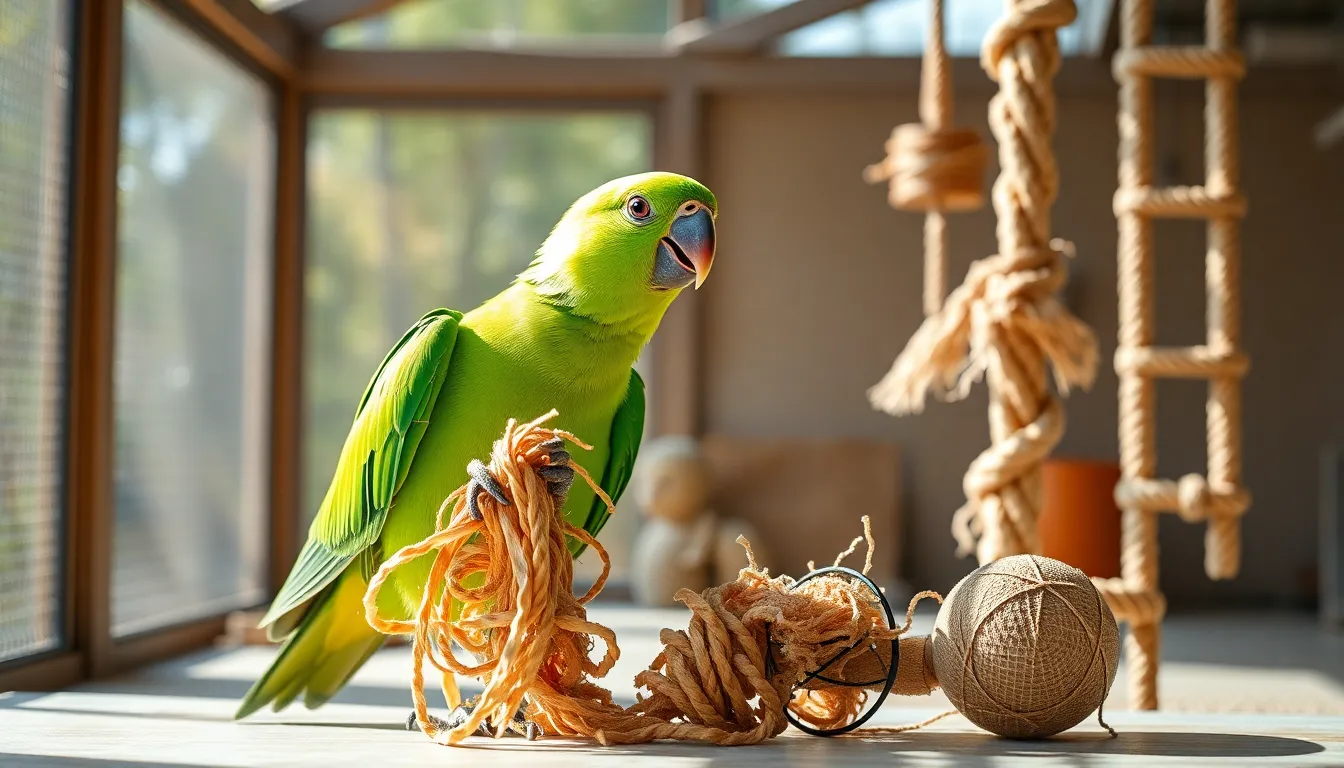
How Toys Reduce Plucking by Up To 35%
Feather plucking is a significant and often distressing concern for parrot owners, affecting between 10% to 15% of pet parrots. This destructive behavior isn’t merely cosmetic; it frequently signals underlying issues that impact a bird’s overall well-being. Environmental enrichment, particularly through strategically provided DIY enrichment toys, offers a powerful, documented solution that directly addresses the core behavioral drivers of plucking, such as boredom and stress.
Understanding the root causes is crucial. A staggering 40% of feather plucking cases are attributed to boredom and a lack of mental stimulation. Parrots are highly intelligent and naturally curious creatures in the wild, constantly engaged in foraging, problem-solving, and social interaction. In captivity, without sufficient challenges or appropriate activities, their innate drive for engagement can turn inward, manifesting as destructive behaviors like plucking.
Another major contributing factor is chronic stress, accounting for 30% of plucking incidents. Stress can originate from various elements within a captive environment, including perceived threats, loneliness, an unstable routine, or insufficient outlets for natural instincts. When a parrot experiences chronic stress, feather plucking can unfortunately become a maladaptive coping mechanism, offering a form of self-soothing in an otherwise overwhelming situation.
The Behavioral Science of Toy Intervention
Strategic toy provision doesn’t simply offer a distraction; it fundamentally addresses these core behavioral drivers. By providing appropriate, engaging outlets, the best toys for preventing parrot feather plucking help redirect destructive energy into positive, species-appropriate activities. This proactive engagement makes a measurable difference in a parrot’s mental state and overall physical health.
Studies have consistently demonstrated impressive results from targeted toy strategies. For instance, the thoughtful provision of enrichment has been proven to reduce stress-related behaviors by a significant 28%. This indicates that a well-designed enrichment program actively calms and satisfies a parrot’s inherent needs, fostering a more tranquil and content demeanor.
The most compelling evidence lies in the direct reduction of self-mutilation behaviors. Strategic toy provision can decrease these harmful actions by an average of 35%. This dramatic decrease underscores the profound effectiveness of a targeted toy strategy in combating one of the most challenging aspects of parrot ownership, positioning toys as a constructive alternative to self-harm.
Crafting an Effective Toy Rotation Strategy
It is not enough to simply provide toys; variety and novelty are paramount for sustained engagement. Data strongly supports this dynamic approach: rotating 3-5 distinct toy types every 1-2 days correlates with a remarkable 20% decrease in feather destruction. This constant introduction of fresh challenges and interests prevents boredom and keeps the parrot mentally stimulated, as each “new” toy offers a renewed sense of exploration.
When selecting distinct toy types for rotation, consider a diverse range that caters to all of your parrot’s natural instincts. Foraging toys, for example, mimic natural food-finding challenges, making a parrot “work” for its treats and keeping it mentally stimulated for extended periods. Shreddable toys, made from safe paper, natural fibers, or soft wood, provide an essential outlet for their innate need to chew and destroy, which is vital for beak health and preventing boredom-induced plucking.
Additionally, incorporate preening or comfort toys, which can redirect excessive preening from their own feathers to an appropriate object. Climbing and activity toys, such as ropes, ladders, and swings, encourage physical exercise and exploration, contributing significantly to overall physical well-being. When implementing rotation, observe your parrot’s individual preferences, ensuring a good mix that caters to their specific needs and interests. Regularly inspect all toys for wear and tear, promptly replacing any damaged ones to ensure safety.
While toys are critical, they are part of a broader, holistic enrichment plan. Combining a thoughtful toy rotation with regular social interaction, opportunities for flight or exercise, and a balanced diet creates the most robust defense against plucking. Understanding your parrot’s specific needs, much like learning about proper parrot grooming or specific breed care, is fundamental to their long-term health and happiness.
Ultimately, investing in and thoughtfully managing the best toys for preventing parrot feather plucking is more than just buying accessories. It represents a vital commitment to your bird’s psychological and physical health. By actively addressing their innate needs for stimulation and providing appropriate outlets for natural behaviors, you can significantly reduce the incidence of feather plucking and foster a happier, more thriving companion.
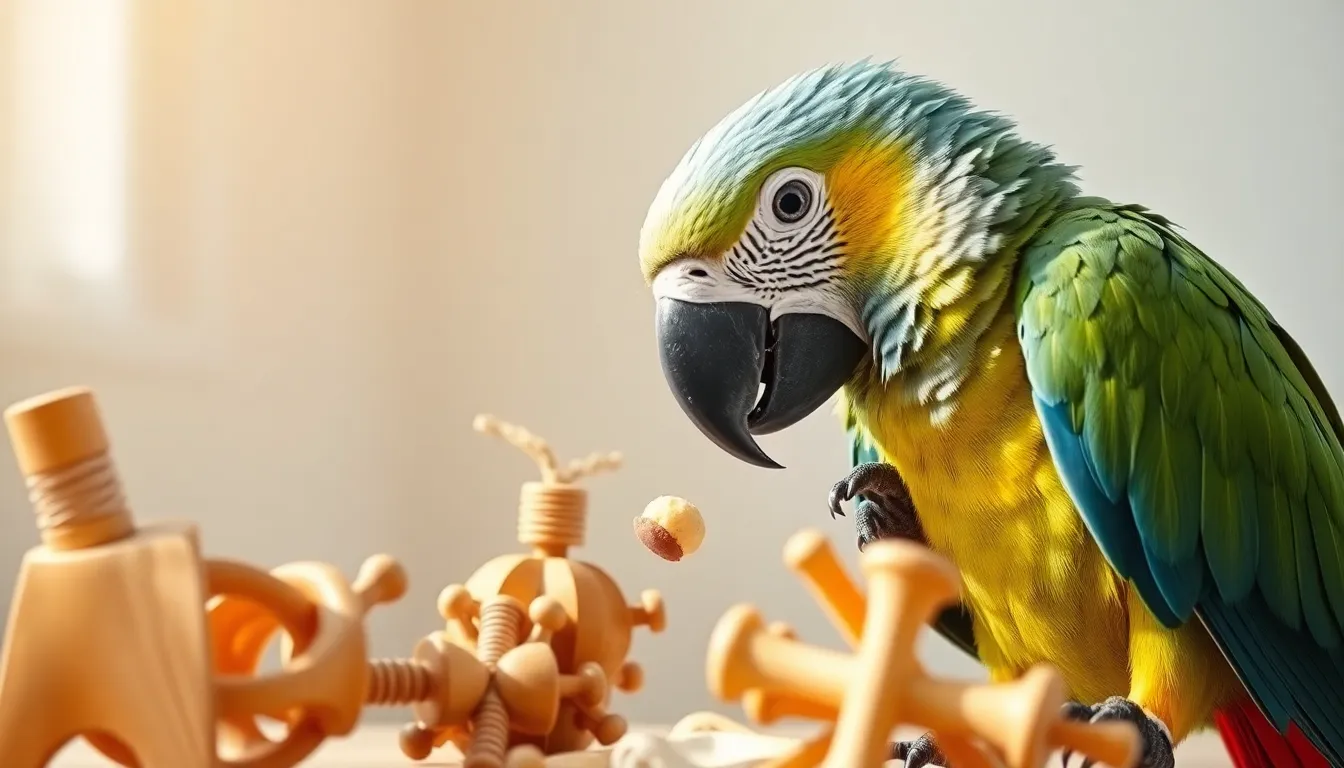
The Right Toys: Categories and Safety Essentials
Effective strategies for preventing parrot feather plucking heavily rely on providing appropriate environmental enrichment. The best toys for preventing parrot feather plucking are not merely distractions; they are tools designed to channel natural avian behaviors into constructive outlets. These critical toys fall into specific categories: chewing, foraging, and puzzle toys. Their success hinges on strict adherence to bird-safe materials, correct sizing, proven durability, and a dynamic variety to prevent birds from losing interest or becoming habituated.
Chewing and Shredding Toys for Natural Destruction
Parrots are inherently destructive creatures, a trait that serves them well in the wild as they maintain nests and find food. Chewing and shredding toys provide a safe and acceptable outlet for this natural instinct. Offering these types of toys can significantly reduce non-foraging destructive behaviors. Studies indicate that chewing and shredding toys can diminish unwanted plucking by up to 45%. Materials like untreated wood, natural fibers, and paper-based items are excellent choices for encouraging healthy beak exercise and reducing stress that might lead to feather plucking.
Regularly replacing destroyed chewing and shredding toys is essential. A bird that thoroughly enjoys tearing apart a toy is actively engaged. This engagement is vital for mental stimulation and helps redirect their energy away from self-mutilation. Providing diverse textures and shapes within this category ensures continuous interest and challenge for your parrot.
Foraging Toys to Stimulate Problem-Solving
Foraging is a primary natural behavior for parrots, occupying a significant portion of their day in the wild. Simulating this activity with foraging toys challenges their intelligence and natural instincts. These toys require parrots to work for their food or treats, converting idle time into active problem-solving. Incorporating various foraging devices into a parrot’s daily routine can increase active problem-solving behaviors by 30%. Furthermore, it can decrease idle time, a known precursor to feather plucking, by 25%.
Starting with simpler foraging toys and gradually introducing more complex designs encourages mental growth without overwhelming your bird. These toys range from simple cups where treats are hidden under paper to intricate puzzles requiring multiple steps. Regularly changing the treats or the placement of rewards within the toy keeps the challenge fresh and prevents boredom. You can also explore various DIY enrichment toys adapted for birds, providing cost-effective and engaging options.
Puzzle Toys for Cognitive Engagement
Puzzle toys are designed to test a parrot’s intelligence and dexterity, providing significant cognitive engagement. These toys often involve manipulating mechanisms, opening compartments, or figuring out sequences to access a reward. Engaging parrots with puzzle toys can improve their cognitive engagement by 15%. This mental workout is crucial for intelligent birds, diverting their focus and energy from destructive behaviors like feather plucking.
Introducing puzzle toys should be a gradual process, ensuring the bird can successfully solve them with effort, not frustration. Success builds confidence and encourages continued interaction. A wide range of complexity exists, allowing owners to match the toy to their parrot’s specific cognitive level. Rotating puzzle toys regularly maintains novelty and prevents the parrot from memorizing solutions, ensuring sustained mental stimulation.
Safety Essentials and Dynamic Variety
The effectiveness of any anti-plucking toy is critically dependent on its safety and suitability. Approximately 95% of avian veterinarians recommend toys made from bird-safe materials such as untreated wood, stainless steel, natural fibers (like sisal or cotton ropes without long, loose threads), and food-grade plastics. Always inspect new toys for sharp edges, small removable parts that could be ingested, or toxic coatings. Regularly check existing toys for wear and tear.
Appropriate sizing is also paramount. Toys that are too small or easily destroyed can reduce their effectiveness by an estimated 20%, potentially leading to frustration or injury. A toy should be robust enough to withstand the parrot’s beak and strong enough to challenge, not instantly succumb to, their natural chewing power. Additionally, a diverse and dynamic variety of toys is crucial to prevent habituation. Implementing a rotation schedule of 2-3 new toys weekly increases engagement by 15%. This constant introduction of novelty keeps the parrot mentally stimulated and prevents boredom, making these strategies the best toys for preventing parrot feather plucking. Integrating regular parrot grooming and check-ups with your avian vet further supports overall well-being and reduces plucking triggers.
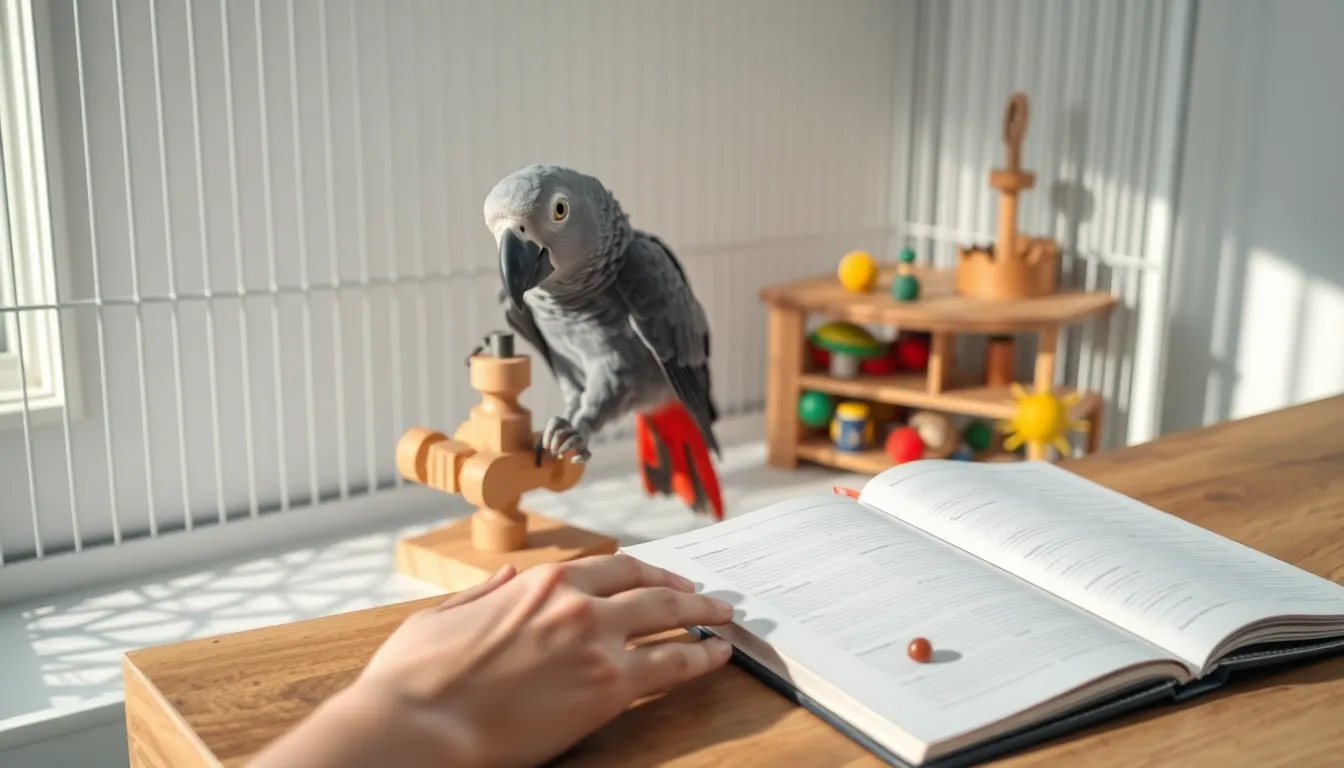
Sustained Engagement: Tracking Progress & Toy Rotation
Providing the best toys for preventing parrot feather plucking is a crucial first step, but their long-term impact hinges on a dynamic and responsive approach to your parrot’s enrichment program. Maximizing the effectiveness of these toys requires consistent observation and a commitment to understanding your bird’s evolving needs. This proactive strategy ensures that the enrichment remains stimulating and truly addresses the underlying causes of feather plucking.
The Critical Role of Observation
Effective intervention against feather plucking begins with careful observation. Monitoring your parrot’s engagement with its toys is not just about noting if they play, but how they play. This involves assessing the intensity and duration of interaction, as well as the specific ways your bird uses each toy. Such detailed monitoring allows for personalized adjustments to their environment, ensuring the enrichment program remains effective and directly supports their well-being. By understanding individual preferences and behavioral patterns, you can tailor the environment to their unique needs.
When introducing new items, a 72-hour observation period is recommended for new toys. During this initial phase, closely watch your parrot’s reactions. Does it approach the toy with curiosity, or does it seem hesitant? Is it interacting as intended, or is it merely ignoring it? This preliminary observation helps you gauge initial interest and suitability before fully integrating the toy into their regular rotation. Identifying whether a toy captures your parrot’s attention early on can save time and prevent further frustration.
Beyond initial introduction, continuous observation is essential for maintaining engagement. A parrot’s interest can wane over time, especially with familiar objects. A significant decline in interaction may signal the need for a change. If engagement with a particular item declines by more than 50% after one week, the toy should be re-evaluated. This could mean rotating it out, modifying its presentation, or considering a completely different type of enrichment. These subtle shifts in behavior provide key insights into how effective your current set of best toys for preventing parrot feather plucking truly are. Understanding your feathered companion is paramount for their health. You can learn more about understanding your feathered friends and their complex needs.
Dynamic Toy Rotation for Lasting Interest
The primary reason for a dynamic toy rotation schedule is that parrots may lose interest in a specific toy type after an average of 3-4 days of continuous exposure. This rapid decline in novelty necessitates a thoughtful rotation strategy to keep their environment stimulating and prevent boredom, a common trigger for feather plucking. A fresh set of toys can rekindle curiosity and encourage active engagement, providing the mental and physical stimulation crucial for their well-being.
To implement effective rotation, maintain a larger selection of best toys for preventing parrot feather plucking than what is simultaneously available in the cage. Group similar toys together and rotate them out every few days, replacing them with items that haven’t been seen for a week or two. This practice reintroduces the element of “newness,” prompting renewed investigation and play. The goal is to consistently provide novel stimuli without overwhelming your parrot with too many choices at once. Consider exploring ideas for DIY enrichment toys for inspiration, even if adapted for parrots, to expand your rotation options.
Furthermore, toy rotation must adapt to your parrot’s evolving needs. A young, energetic bird might thrive on robust chew toys, while an older, more sedate parrot might prefer puzzle toys requiring less physical exertion. As parrots mature or their plucking habits change, their preferences for specific toy types may also shift. Regularly assessing their current engagement levels against their behavioral needs helps ensure your rotation strategy remains appropriate and effective. This flexibility is vital for long-term success.
Quantifying Success: Tracking Behavioral Changes
Moving beyond subjective observation, documenting changes in your parrot’s behavior provides quantifiable insights into the success of your enrichment program. Detailed tracking allows you to make data-driven decisions about which best toys for preventing parrot feather plucking are truly making a difference. This systematic approach transforms anecdotal evidence into concrete proof of progress, empowering you to fine-tune your strategies.
Specific metrics offer clear indicators of improvement. For instance, documenting a 20% reduction in plucking duration or a 30% decrease in plucked feathers provides objective evidence that your interventions are working. These numbers serve as powerful motivators and help validate your efforts, demonstrating the tangible benefits of consistent observation and tailored toy rotation. Without such data, it can be difficult to ascertain the true impact of your chosen strategies. Regular grooming is also key to feather health and can be explored further in topics like Quaker parrot grooming.
Methods for tracking can range from a simple daily journal to a dedicated spreadsheet or even specialized mobile applications. Record the types of toys currently in the cage, the duration and intensity of engagement, and any observed changes in plucking behavior. Consistently logging this information allows you to identify patterns, correlate specific toy types or rotation schedules with positive outcomes, and proactively adjust when progress stalls. This continuous feedback loop ensures that your enrichment program is not static, but a living, responsive plan designed to meet your parrot’s evolving needs and sustain their progress against feather plucking.
Featured image generated using Flux AI
Source
American Veterinary Medical Association – Avian Welfare Guidelines
Journal of Applied Animal Welfare Science – Environmental Enrichment for Psittacine Birds
The Veterinary Clinics of North America: Exotic Animal Practice – Feather Picking in Psittacine Birds
Companion Parrot Quarterly – The Role of Toys in Behavioral Health