
드워프 햄스터 침구, 어떤 걸 골라야 할지 막막하신가요? 사실 침구 선택은 단순한 편안함의 문제가 아닙니다. 잘못된 침구는 호흡기 손상, 간 독성, 장폐색(임팩션)까지 유발할 수 있는 생존과 직결된 결정입니다. 저먼지·무독성 소재와 적절한 깊이, 높은 흡수력을 갖춘 침구를 선택하면 자연 행동을 40% 이상 향상시키고 암모니아 수치를 80% 낮출 수 있습니다. 이 글에서 안전한 소재 선택부터 깔짚 깊이 세팅, 장기 비용 절약 팁까지 한번에 정리해 드립니다.
📌 핵심 포인트 3가지
① 저먼지·무독성 소재가 드워프 햄스터의 호흡기 질환과 간 손상을 막는 핵심입니다.
② 깔짚 깊이 최소 20~30cm 이상을 유지해야 굴파기 본능이 활성화되고 스트레스가 줄어듭니다.
③ 고흡수력 침구는 암모니아 수치를 80% 낮춰 호흡기 건강과 위생을 동시에 지킵니다.
목차
- 드워프 햄스터 침구, 소재 선택이 왜 생사를 가르는가
- 절대 피해야 할 5가지 위험 침구 소재
- 추천 TOP 5 — 저먼지·무독성 안전 침구 비교
- 최적 깊이 20~30cm 세팅법 — 굴파기 본능을 살리는 방법
- 흡수력과 암모니아 관리 — 80% 감소 침구의 비밀
- 장기 비용 절약 팁 — 압축 침구 활용법
- FAQ
- 결론
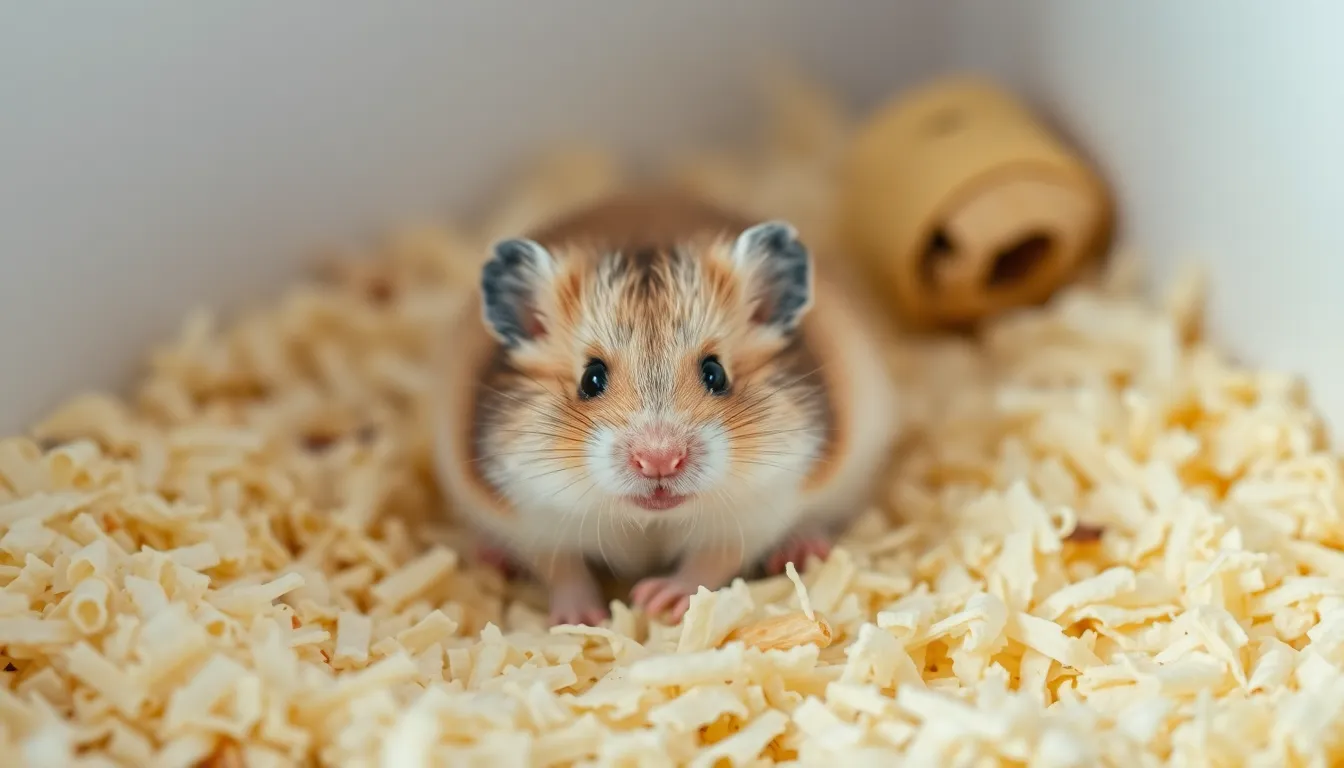
1. 드워프 햄스터 침구, 소재 선택이 왜 생사를 가르는가
드워프 햄스터는 매우 작은 몸집에 비해 훨씬 예민한 호흡기를 갖고 있습니다. 일반 깔짚을 사용하면 비호흡기 자극 지표가 30% 상승하고, 세균성 감염 취약성이 15~20% 높아진다는 연구 결과가 있습니다. 페놀(phenol) 함량이 10ppm을 초과하는 침구는 즉각적인 독성 반응을 유발할 수 있어 생명에 위협이 됩니다.
소나무·삼나무 계열 침구는 휘발성 유기화합물(VOC)과 페놀을 방출해 호흡기를 자극하고 장기적으로 간 손상을 초래합니다. 먼지가 많은 침구는 안전한 대안 대비 먼지 지수가 300% 높아 호흡기 질환 위험을 크게 높입니다. 반면, 적절한 침구를 선택하면 공기 중 부유 먼지 입자를 90~95% 줄이고, 흡입 가능한 미세먼지를 60% 낮출 수 있습니다. 이는 단순한 편의의 문제가 아니라 핵심 건강 관리입니다.
2. 절대 피해야 할 5가지 위험 침구 소재
아래 5가지 소재는 소동물 응급 케이스의 **10~15%**에 연루되어 있습니다. 드워프 햄스터를 키운다면 반드시 피하세요.
① 소나무(파인) 깔짚 — 페놀과 방향족 탄화수소를 함유해 호흡기 자극과 간 독성을 유발합니다. 겉보기에 자연 소재처럼 보여 초보자가 실수하기 쉽습니다.
② 삼나무(시더) 깔짚 — 소나무와 마찬가지로 유해 오일과 먼지를 방출해 심각한 호흡기 자극과 전신 독성을 일으킵니다.
③ 솜·면 소재 침구(Fluffy Bedding) — 소화되지 않는 섬유질로 구성돼 삼켰을 때 장폐색(임팩션)을 유발할 수 있습니다. 발과 다리에 감길 경우 혈액 순환 차단으로 절단이 필요한 사고로 이어집니다.
④ 향이 첨가된 화학 처리 침구 — ‘천연’이라고 표기되어 있어도 인공 향료나 화학 처리가 된 침구는 민감한 호흡기와 피부에 알레르기 반응 및 중독 증상을 일으킬 수 있습니다.
⑤ 옥수수 속대(Corn Cob) 등 거친 비소화성 침구 — 표면이 거칠어 피부 마찰 상처를 유발하고, 섭취 시 소화되지 않아 장폐색 위험이 있습니다. 곰팡이가 피기 쉬운 것도 단점입니다.
| 위험 침구 소재 | 주요 위험 요인 | 증상 |
|---|---|---|
| 소나무(파인) | 페놀·VOC | 호흡기 염증, 간 손상 |
| 삼나무(시더) | 유해 오일·먼지 | 호흡기 자극, 전신 독성 |
| 솜·면 소재 | 비소화성 섬유 | 장폐색, 사지 절단 위험 |
| 향 첨가·화학 처리 | 인공 향료·화학물질 | 알레르기, 중독 |
| 옥수수 속대 | 거친 표면·비소화성 | 피부 상처, 장폐색 |
3. 추천 TOP 5 — 저먼지·무독성 안전 침구 비교
드워프 햄스터 침구 선택의 핵심은 저먼지와 무독성 두 가지입니다. 현재 시중에서 가장 널리 검증된 유형을 기준으로 정리했습니다.
1위 — 종이 기반(Paper-based) 압축 침구 : 99% 먼지 없음(dust-free) 보장 제품이 많고, 부유 먼지 입자를 9095% 줄여 줍니다. 흡수력이 자체 무게의 400500%에 달하고, 암모니아 중화 기능이 탁월합니다. 압축 상태로 판매돼 부피 대비 경제성이 뛰어납니다.
2위 — 아스펜(Aspen) 목재 깔짚 : 소나무·삼나무와 달리 페놀이 없는 안전한 목재 깔짚입니다. 단, 반드시 무처리·먼지 제거(dust-extracted) 제품을 선택해야 합니다. 흡수력이 좋고 굴파기 행동을 잘 지지합니다.
3위 — 삼(Hemp) 소재 침구 : 자연 분해성이 좋고 페놀이 없으며, 먼지 발생이 낮습니다. 흡수력도 우수하고 굴 구조를 유지하는 데 적합합니다.
4위 — 오차드그래스(Orchard Grass) 건초 혼합 : 침구 단독보다는 보조 소재로 활용하기 좋습니다. 자연 섭취가 가능하고 둥지 재료로 사용됩니다.
5위 — 코코넛 섬유(Coconut Fiber) 기반 : 높은 습도 조절 능력으로 열대·아열대 소동물에 적합하며, 드워프 햄스터의 굴 구조 유지에도 효과적입니다.
| 침구 종류 | 먼지 수준 | 흡수력 | 굴파기 지원 | 경제성 |
|---|---|---|---|---|
| 종이 기반 압축 침구 | 매우 낮음 (99% 저감) | ★★★★★ | ★★★★☆ | ★★★★★ |
| 아스펜 목재 깔짚 | 낮음 (무처리 기준) | ★★★☆☆ | ★★★★☆ | ★★★☆☆ |
| 삼(Hemp) 침구 | 낮음 | ★★★★☆ | ★★★★★ | ★★★☆☆ |
| 오차드그래스 건초 | 낮음 | ★★☆☆☆ | ★★★☆☆ | ★★★★☆ |
| 코코넛 섬유 | 낮음 | ★★★★☆ | ★★★★★ | ★★★☆☆ |
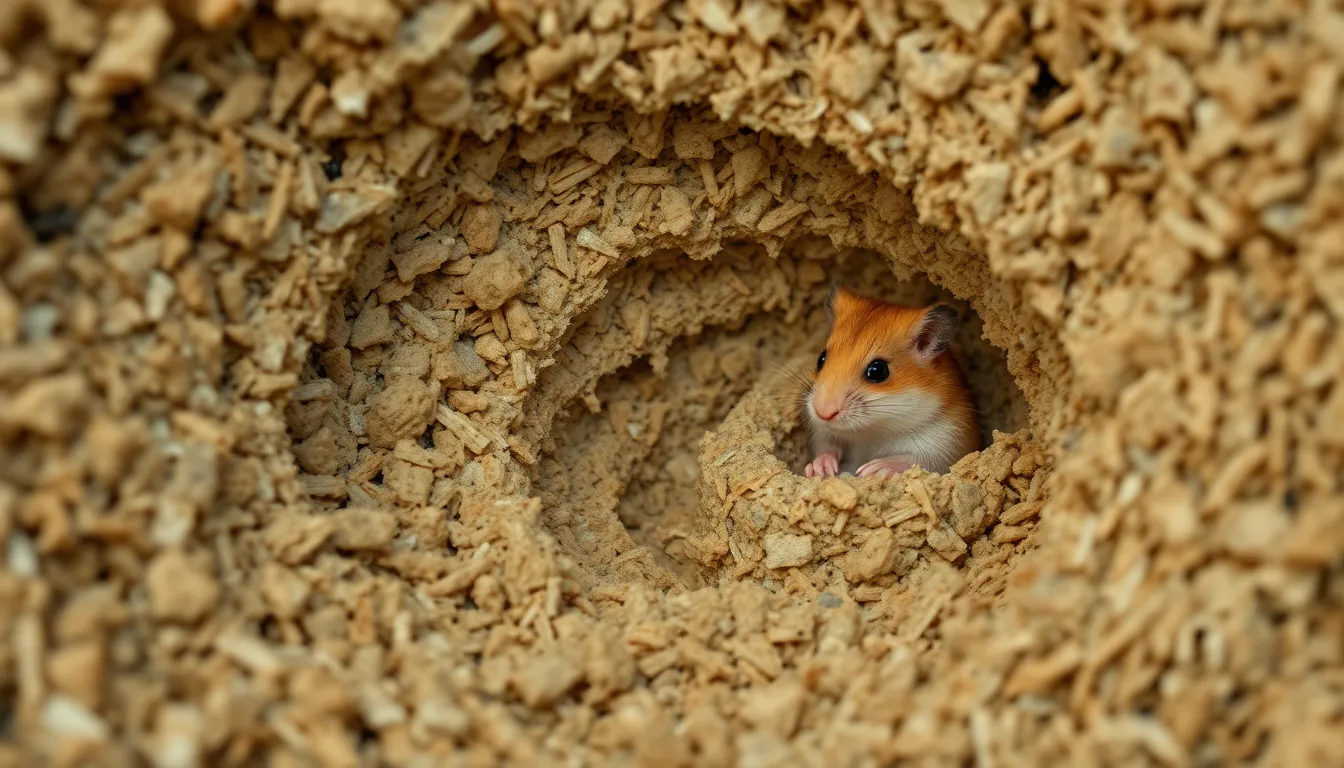
4. 최적 깊이 20~30cm 세팅법 — 굴파기 본능을 살리는 방법
드워프 햄스터 사육 환경에서 침구 깊이는 종종 간과되지만, 실제로는 심리적 건강에 직결되는 핵심 요소입니다. 충분한 깊이의 침구를 제공하면 굴 구조 형성 빈도가 40% 증가한다는 연구 결과가 있습니다. 이는 햄스터가 안정감과 활력을 느끼고 있다는 명확한 신호입니다.
최소 기준으로 **15cm(약 6인치)**가 권장되지만, 드워프 햄스터의 본능을 제대로 충족하려면 2030cm(812인치) 이상을 목표로 하는 것이 이상적입니다. 대형 사육장을 갖춘 전문 사육자 중에는 최대 60cm까지 깔짚을 채우는 경우도 있습니다.
충분한 깊이의 침구는 세 가지 핵심 기능을 합니다. 첫째, 여러 구획으로 나뉜 복잡한 굴 시스템(수면 공간·식량 저장고·도피로)을 만들 수 있습니다. 둘째, 체온 조절 능력이 높아집니다. 햄스터가 만든 굴 내부는 외부 표면 대비 열 손실이 25~35% 낮아, 체온(약 37.5℃)을 선호 온도(2022℃)에서 ±23℃ 내로 유지할 수 있습니다. 셋째, 굴파기 욕구가 충족되지 않은 햄스터에서 나타나는 **상동 행동(stereotypic behavior, 반복적 이상 행동)**을 예방합니다.
깊이 세팅 단계별 가이드는 다음과 같습니다. 먼저 사육장 바닥 면적을 확인하고 최소 20cm를 기준으로 침구 용량을 계산합니다. 침구를 한꺼번에 넣기보다 아래층은 좀 더 단단히 압축해 굴 구조가 무너지지 않게 하고, 위층은 느슨하게 풀어 자연스러운 굴파기를 유도하세요. 처음 설치 후 햄스터가 스스로 굴을 파기 시작하면 깊이가 충분하다는 신호입니다. 헤비 처워를 위한 인터랙티브 강아지 장난감 TOP 5처럼 동물의 본능을 자극하는 환경 조성이 반려동물 행복의 핵심입니다.
5. 흡수력과 암모니아 관리 — 80% 감소 침구의 비밀
드워프 햄스터 침구는 단순히 폭신해야 하는 것이 아니라, 습기와 암모니아를 효과적으로 처리해야 합니다. 축축한 침구는 세균·곰팡이 번식을 가속화하고, 암모니아는 호흡기를 직접 자극합니다.
고품질 종이 기반 침구는 자체 무게의 **400~500%**에 달하는 액체를 흡수하며, 일반 목재 깔짚 대비 3배 높은 흡수력을 보입니다. 이보다 더 중요한 것이 암모니아 중화 기능입니다. 고성능 침구를 사용하면 사육장 내 공기 중 암모니아 수치를 최대 80% 낮출 수 있고, 전반적인 암모니아 농도도 50~60% 감소합니다. 이는 햄스터의 민감한 호흡기를 지속적인 자극으로부터 보호하는 데 결정적인 차이를 만듭니다.
부적절한 침구를 사용하면 습기 보유로 인해 곰팡이 성장 속도가 2배 빨라질 수 있습니다. 반면 고흡수력 침구는 이 위험을 원천적으로 차단합니다. 무독성 반려동물 안전 청소 스프레이 완벽 가이드와 함께 사용하면 사육장 위생을 한층 더 높일 수 있습니다.
6. 장기 비용 절약 팁 — 압축 침구 활용법
드워프 햄스터 침구를 선택할 때 초기 가격만 보고 저렴한 제품을 고르면 오히려 장기적으로 더 많은 비용이 들 수 있습니다. 고품질 압축 침구는 초기 비용이 다소 높지만, 실질적인 사용량을 따져 보면 훨씬 경제적입니다.
압축 종이 기반 침구는 개봉 시 2~3배 부피로 팽창합니다. 예를 들어 60리터 압축 제품이 120~180리터의 실제 사용 가능한 침구로 늘어납니다. 이는 교체 빈도를 낮추고 구매 주기를 늘려, 3개월 단위로 보면 **15~20%**의 비용 절감 효과가 있습니다. 흡수력이 높은 제품은 전체 케이지 교체 주기 자체를 늘려 주기 때문에, 관리 시간도 절약됩니다.
반려동물 의료비 부담을 줄이기 위한 보험도 고려해 보세요. 지급 한도 없는 저렴한 사고 전용 반려동물 보험 플랜을 참고하면 예상치 못한 수의 진료비에 대비할 수 있습니다.
❓ FAQ — 자주 묻는 질문
Q1. 드워프 햄스터 침구는 얼마나 자주 교체해야 하나요? 전체 교체는 2~4주에 한 번이 기본입니다. 단, 배변 구역은 매일 또는 격일로 부분 청소하는 것이 암모니아 수치 관리와 위생 유지에 훨씬 효과적입니다.
Q2. 솜 침구(fluffy bedding)는 왜 위험한가요? 솜 소재는 소화되지 않는 섬유질로 이루어져 햄스터가 삼켰을 때 장폐색(임팩션)을 일으킬 수 있습니다. 또한 발이나 다리에 감겨 혈액 순환을 차단, 심한 경우 절단이 필요한 부상으로 이어질 수 있습니다.
Q3. 아스펜 깔짚과 종이 침구 중 무엇이 더 좋은가요? 둘 다 안전한 선택이지만, 흡수력과 암모니아 중화 측면에서는 종이 기반 침구가 우수합니다. 굴파기 구조 지지 면에서는 아스펜이 약간 더 단단해 선호하는 사육자도 있습니다.
Q4. 침구 깊이가 20cm 미만이어도 괜찮은가요? 최소 15cm 이상은 되어야 하지만, 드워프 햄스터의 본능적 굴파기 행동이 충분히 발현되려면 20~30cm 이상을 권장합니다. 공간이 허락한다면 깊을수록 좋습니다.
Q5. 향이 나는 침구는 왜 안 되나요? 드워프 햄스터는 후각이 매우 발달해 인공 향료에 민감하게 반응합니다. 향이 첨가된 침구는 호흡기 자극과 알레르기 반응, 나아가 만성 스트레스를 유발할 수 있으므로 반드시 무향(unscented) 제품을 선택하세요.
결론
드워프 햄스터 침구 선택은 단순한 부속품 구매가 아닙니다. 소재의 안전성(페놀·먼지 제로), 적절한 깊이(20~30cm), 높은 흡수력과 암모니아 중화 기능 — 이 세 가지가 갖춰진 침구만이 반려 햄스터의 건강과 행복을 제대로 지킬 수 있습니다. 소나무·삼나무·솜 소재 등 5가지 위험 침구는 반드시 피하고, 종이 기반 또는 아스펜 계열의 검증된 제품을 선택하세요. 오늘 바로 사육장 침구를 점검해 보시기 바랍니다!
관련 글
출처
- VCA Hospitals — Hamster Care
- RSPCA — Caring for your Hamster
- Applied Animal Behaviour Science — 깔짚 깊이가 설치류 복지에 미치는 영향
- Journal of Comparative Pathology — 페놀 화합물의 실험용 설치류 독성 연구
- PetMD — Safe and Unsafe Hamster Bedding Materials