
The Animal Care Sanctuary unveils tiny home dog village in Bradford County, a pioneering initiative set to transform animal welfare and redefine shelter living standards. Comprising 16 climate-controlled homes with private yards, this innovative facility offers dogs a profoundly more comfortable, home-like experience, significantly reducing stress and enhancing their readiness for adoption.
Key Implications:
- Dog Welfare and Adoption: The innovative tiny home model significantly elevates the living environment for shelter dogs, reducing stress and promoting better behavioral outcomes, thereby enhancing their readiness for adoption.
- Shelter Standards: This pioneering village establishes a new benchmark for animal care in the Northeast, poised to redefine national shelter standards by inspiring other organizations to adopt similar humane and effective solutions.
- Sustainable Care Model: The design prioritizes individual dignity and well-being through personalized, stress-free environments, while also integrating principles of financial sustainability to ensure long-term viability and impact.
16 Climate-Controlled Homes Elevate Dog Welfare in Bradford County
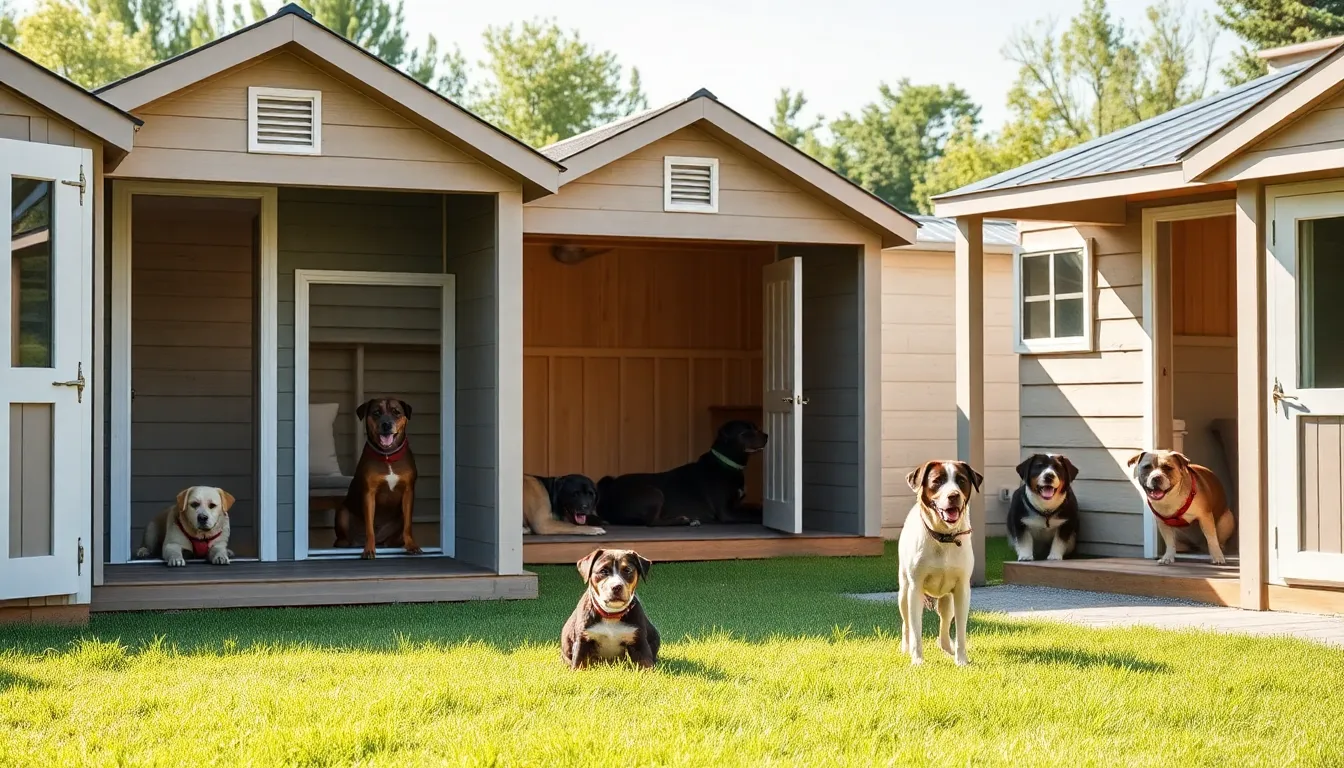
The Animal Care Sanctuary in East Smithfield, Pennsylvania, recently unveiled a new tiny home dog village in Bradford County. This innovative facility introduces 16 individual tiny homes, significantly upgrading the living environment for dogs awaiting adoption.
The new setup offers a more comfortable, home-like residential setting compared to traditional kenneling practices. The official ribbon-cutting ceremony for this significant development took place on Thursday, November 14, 2025.
Redefining Shelter Living Standards
This new facility at the Animal Care Sanctuary provides an upgraded living environment for shelter dogs. It achieves this through individually designed tiny homes, fostering a less institutional and more personalized atmosphere.
The individual home arrangement with specific amenities directly contrasts with conventional, communal kennel setups. This design aims to provide a profoundly more comfortable and truly “home-like” experience for resident canines.
Such an enhanced environment significantly reduces stress typically associated with traditional shelter accommodations. Consequently, it promotes better behavioral outcomes and overall well-being for dogs awaiting their forever families and enhances their readiness for adoption.
Key Features of the Tiny Homes
Currently, 16 tiny homes are operational within this innovative village, each designed for optimal dog welfare. These structures offer distinct advantages over typical shared kennel spaces, promoting individual comfort and privacy.
Every operational home provides several critical features to enhance a dog’s daily life and foster a sense of normalcy:
- Climate control maintains comfortable indoor temperatures, ensuring year-round well-being regardless of external conditions.
- A private, fenced yard allows secure, independent outdoor access for exercise and play.
- A doggy door grants residents freedom of movement between their indoor and outdoor living areas at will.
This comprehensive approach to individual housing directly supports the physical and psychological health of the dogs. The facilities, therefore, represent a substantial and forward-thinking investment in animal welfare by the Animal Care Sanctuary.
Capacity Expansion and Adoption Impact
The current operational capacity includes 16 individual tiny homes, each meticulously designed to elevate dog welfare in Bradford County. A 17th tiny home is already planned for future addition, signaling further commitment to this progressive model.
Expanding the tiny home village will allow even more shelter dogs to benefit from this significantly enhanced living arrangement. This increased capacity also supports the crucial mission of improving adoption outcomes, as happier, well-adjusted dogs are generally more likely to thrive in new homes.
The tiny home dog village thus functions as a leading model for modern animal sheltering practices. Facilities prioritizing individual comfort and a “home-like” setting contribute significantly to the overall welfare of rescue animals.
Exploring the benefits of such innovative approaches provides valuable insights for other animal care organizations. For example, similar progressive care models are frequently highlighted in community outreach, like Pet of the Week features.
Pioneering Northeast Model Redefines National Shelter Standards
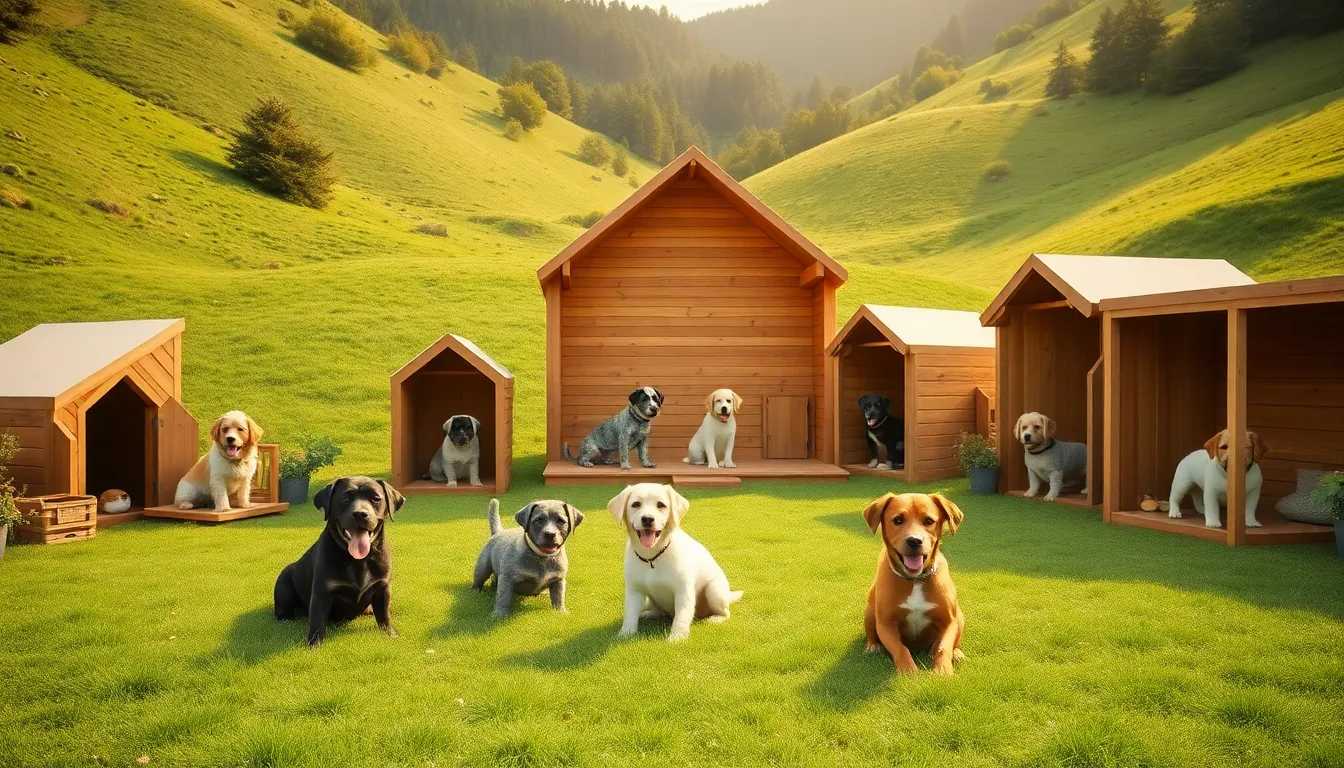
Officials have identified the Animal Care Sanctuary unveils tiny home dog village in Bradford County as “one of the first of its kind in the Northeast.” This innovative initiative holds immense potential to redefine national shelter standards for dog care, specifically fostering healing and accelerating adoptions for shelter animals.
Innovation for Regional and National Impact
The Animal Care Sanctuary’s groundbreaking tiny home dog village pioneers a transformative approach to animal welfare. Officials state this innovation could significantly change how shelters care for dogs across the entire country. Such progress marks a vital step forward for animal welfare, influencing practices both regionally and nationally.
This initiative primarily focuses on its innovative nature and capacity to establish new benchmarks. The model seeks to elevate shelter operations, moving beyond conventional designs towards more effective and humane solutions. It truly represents a commitment to advancing animal care standards universally.
The concept’s regional prominence, described as a trailblazer in the Northeast, demonstrates tangible future possibilities. Its success could serve as a compelling blueprint for other organizations seeking to modernize their facilities. Implementing similar models nationwide promises widespread improvements in animal well-being, often highlighted in broadcasts boosting rescue dog adoptions.
Designing for Dignity and Well-being
The core design of the tiny home dog village prioritizes the individual dignity and comfort of every resident dog. These unique structures stand apart from conventional kennels, offering peaceful, stress-free environments for canine companions. Such personalized settings are explicitly designed to promote healing, instill hope, and ultimately provide second chances for dogs awaiting their forever homes.
The village’s layout is thoughtfully constructed to cultivate happier dogs, directly leading to faster adoptions. Providing a calm, individualized space actively contributes to an animal’s emotional and physical recovery process.
This commitment to superior, holistic care truly distinguishes the Animal Care Sanctuary’s model from traditional approaches. Discover more about accelerating local animal shelter adoptions.
Officials emphasize the profound, transformative impact this innovative village structure has on dog well-being. These peaceful environments contrast sharply with often chaotic conventional shelter settings. Learn about inspiring pet of the week stories and their journeys.
A Vision of Progress and Financial Sustainability
Terri McKendry, CEO of Animal Care Sanctuary, passionately characterizes the “Home Village” as embodying critical “progress” and strategic “innovation.” She specifically highlights its dedication to strengthening the human-animal bond, a central tenet of the sanctuary’s mission. Furthermore, this forward-thinking model meticulously integrates principles of “financial sustainability.”
The strategic financial design ensures the long-term viability and expanded reach of this enhanced care model. McKendry’s visionary leadership underscores how advanced welfare practices can seamlessly align with sustainable operational strategies. This powerful convergence offers an inspiring example for other institutions nationwide.
It demonstrates that compassionate, high-quality care can be both progressive and financially sound. This ensures a lasting positive impact on countless dog lives and a more secure future for animal welfare organizations.
Featured image generated using Flux AI
WBNG: “Animal Care Sanctuary unveils tiny home dog village in Bradford County”