
Why dogs tilt their head when you talk is far more than an adorable habit; it reveals a complex cognitive effort and sophisticated sensory optimization aimed at understanding human communication. This endearing gesture signifies a dog’s active engagement in processing speech, enhancing auditory perception, improving visual cues, and employing a learned behavior reinforced by human interaction.
Key Implications
- Cognitive Engagement: Head tilting signifies a dog’s active cognitive effort to process and interpret human speech, particularly when recognizing familiar words, with gifted word learners exhibiting this behavior more frequently.
- Auditory Optimization: Dogs employ head tilts to enhance their exceptional hearing, allowing them to precisely pinpoint sound sources and decipher the nuances and inflections within human voices.
- Visual Field Clearance: For many breeds, especially those with longer muzzles, tilting the head helps clear their visual field, providing an unobstructed view of human facial expressions and gestures critical for communication.
- Behavioral Reinforcement: Positive human reactions, such as affection or praise, strongly reinforce the head-tilting behavior, transforming it into a deliberate strategy for dogs to solicit attention and engage with their owners.
- Interspecies Communication: This behavior underscores the profound desire and sophisticated capacity of dogs to connect with humans, utilizing a blend of sensory, cognitive, and learned strategies to bridge the communication gap.
How Gifted Listeners Decipher Your Words
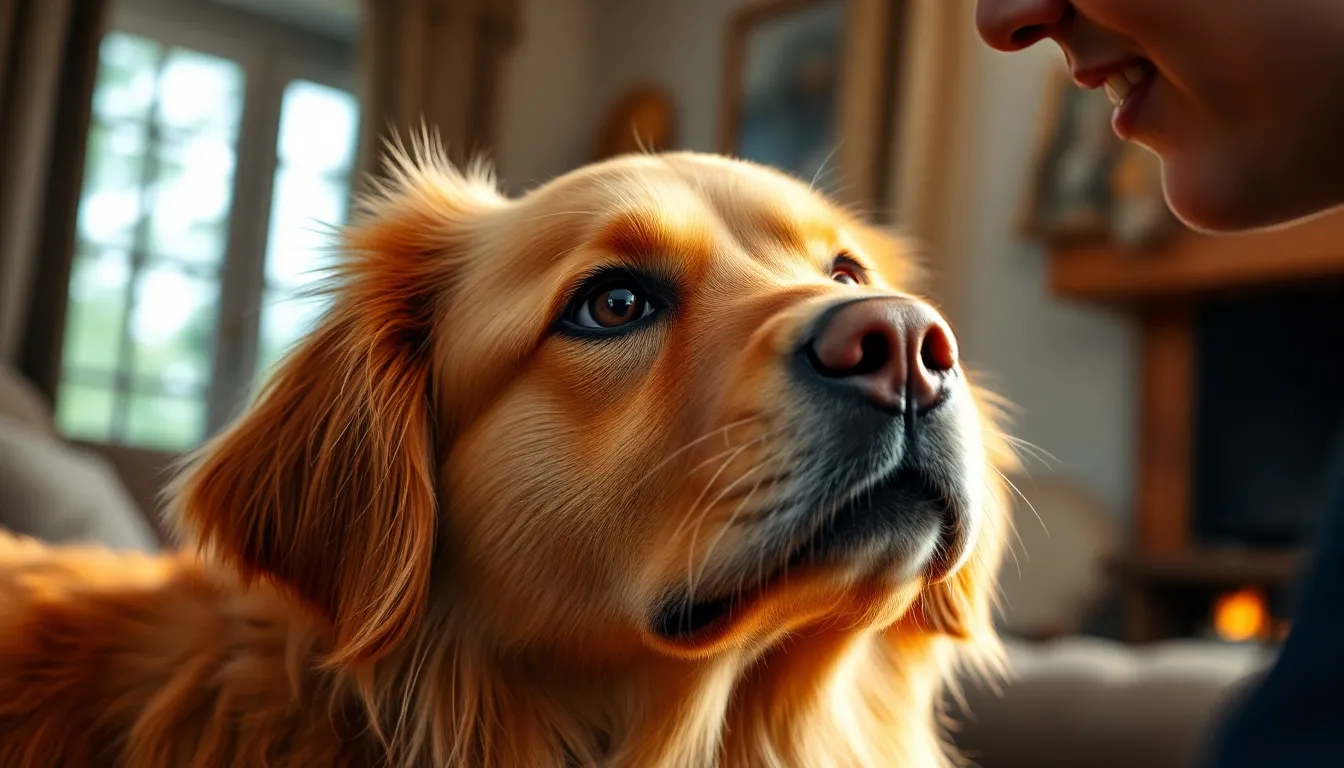
Observing a dog tilt its head when you talk is one of the most endearing and intriguing aspects of canine behavior. Far from being a mere reflex or a charming quirk, this seemingly simple act is a profound display of cognitive effort. It signifies that your dog is actively engaged in interpreting specific human speech, especially when they recognize certain words. This deliberate act is a clear sign that a dog is paying close attention, attempting to understand the nuances of your communication, and trying to make sense of the world you describe.
When a dog tilts its head, it’s not just listening; it’s processing. This cognitive engagement allows them to sift through the sounds, intonation, and rhythm of your voice, isolating familiar words that carry meaning. This complex auditory and cognitive process helps them contextualize the sounds they hear, connecting specific words with objects, actions, or expectations. It’s an indicator of their intense focus, demonstrating their desire to bridge the communication gap between species.
The Science Behind the Cognitive Tilt
Recent scientific inquiry has shed light on why dogs tilt their head when you talk, elevating our understanding beyond mere anecdotal observation. A significant 2021 study published in Animal Cognition involving 40 dogs provided compelling evidence for the cognitive basis of head tilting. The research meticulously tracked instances of head tilting when dogs heard familiar object names, distinguishing between “gifted word learner” dogs and “typical” dogs.
The findings were striking: gifted word learner dogs, those known to comprehend a large vocabulary of object names, exhibited head tilting in an impressive 43% of instances when hearing familiar object names. In stark contrast, typical dogs, who may understand a few commands but not a broad array of object names, tilted their heads in a mere 2% of such instances (Animal Cognition, 2021). This dramatic difference strongly suggests that head tilting is not random but is linked to a dog’s active attempt to process and recognize significant auditory information.
This data underscores that the head tilt is more than an unconscious response; it’s a strategic behavior. For dogs with an extensive lexicon, hearing a familiar word triggers an internal search for meaning, often accompanied by this visible sign of intense concentration. They are actively trying to match the sound to a mental image or a known concept, much like a human might furrow their brow in thought. The absence of this behavior in typical dogs for the same task implies that if a word holds no specific meaning for them, the same level of cognitive effort, and thus the head tilt, is not initiated.
Deciphering Your Words: How Gifted Listeners Excel
For gifted listeners, the act of head tilting is a key component of their advanced word-learning capabilities. These dogs have demonstrated an extraordinary capacity to learn and retain the names of numerous objects, often displaying intelligence levels comparable to a human toddler’s early language acquisition. When their owner speaks, particularly when specific words like “ball,” “toy,” or “walk” are used, these dogs engage in a sophisticated process of auditory analysis.
Their head tilt might be an adaptive behavior to optimize sound localization, helping them to better pinpoint the origin and nuances of a sound. By subtly adjusting the position of their ears and head, they may be trying to enhance their auditory perception, ensuring they catch every inflection and subtle cue. This physical adjustment aids their mental processing, allowing them to more effectively interpret the human language directed at them. This heightened attention is a critical factor in understanding why dogs tilt their head when you talk, especially those with an advanced understanding of vocabulary.
This deliberate effort to interpret speech indicates a deep level of connection and a desire to communicate. It’s not just about hearing the sound; it’s about understanding the intent and the specific message. Gifted word learner dogs, therefore, use head tilting as a tool to improve their comprehension, making them incredibly attentive and responsive companions. This behavior reinforces the bond between dog and owner, as the dog actively participates in the conversation, seeking to understand and engage.
What Your Dog’s Head Tilt Reveals About Their Understanding
The next time you find yourself wondering why dogs tilt their head when you talk, remember that it’s a profound gesture of engagement. It’s a clear indication that your canine friend is not just passively hearing you but is actively trying to comprehend your words and intentions. This level of attentiveness speaks volumes about their intelligence and their unique capacity for interspecies communication. It’s a testament to their cognitive flexibility and their commitment to understanding their human companions.
For pet owners, recognizing this behavior allows for a deeper appreciation of their dog’s intelligence. It encourages more meaningful interaction and communication, as you know your words are truly being processed. Whether you’re discussing plans for a trip or simply asking about their day, a head tilt is a powerful reassurance that your dog is listening intently and trying to connect with you on a deeper level. This sophisticated behavior highlights the remarkable cognitive abilities of our beloved canine companions, making every tilted head a moment of shared understanding.
Understanding this behavior can also enhance the daily lives of dogs and their owners, fostering environments where communication is valued. For instance, creating enriching experiences or choosing the best care options, such as finding luxury hotels that welcome large dogs, often stems from a deep appreciation of their individual needs and intelligence.
Dual Sensory Advantage: Unmasking Sounds and Faces
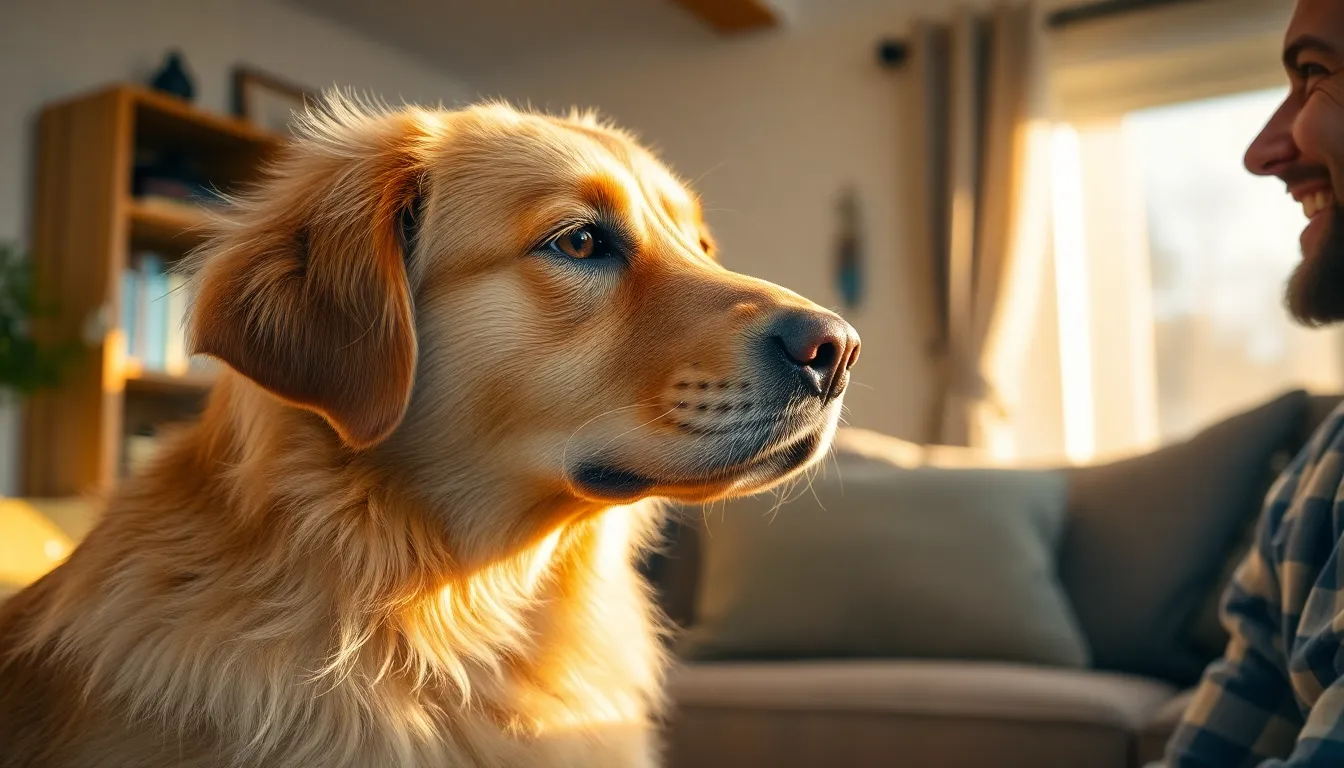
It’s a common and endearing sight that often sparks curiosity: why dogs tilt their head when you talk or make unusual noises? This seemingly simple gesture is, in fact, a sophisticated physical optimization, allowing them to fine-tune both their super-sensitive hearing and their visual field. By adjusting their head angle, dogs significantly improve their ability to pinpoint sounds more accurately and overcome physical obstructions to gain a clearer view of your facial expressions and gestures.
Dogs possess an incredible auditory range, capable of detecting sounds between 45,000 and 65,000 Hz, far beyond human capabilities (which typically range up to 20,000 Hz). This extraordinary sensitivity means they perceive a much wider spectrum of acoustic information. A head tilt helps them more precisely pinpoint the origin and nuances of sounds, transforming a general auditory experience into a targeted investigative effort to understand their environment or your communication better.
The Auditory Advantage: Pinpointing Every Nuance
Beyond their impressive frequency range, dogs have remarkably agile ears, each controlled by up to 18 dedicated muscles. This muscular control allows them to move their ears independently, swiveling them like miniature satellite dishes to capture and funnel sound waves with remarkable precision. When a dog tilts its head, it subtly alters the angle at which sound waves hit each ear, creating a minute time difference in arrival and intensity between the two ears.
This minute difference provides crucial data to their brain, helping them create a more accurate “auditory map” of their environment. It enables them to triangulate the exact source of a sound, whether it’s a distant rustle, an unfamiliar tone, or the subtle inflections in your voice. When you speak, the changes in tone, volume, and even the emotional content are all signals your dog is trying to decipher. Understanding why dogs tilt their head when you talk reveals their deep engagement with your communication, even if they don’t grasp every word.
This auditory fine-tuning is particularly beneficial when processing complex sounds, such as human speech. Your dog is not just hearing noise; they are actively processing the information, attempting to identify familiar words, commands, or even the emotional state conveyed by your tone. The head tilt is an active cognitive effort to maximize their sensory input, ensuring they don’t miss any critical acoustic cues.
Overcoming Obstacles: A Clearer View of Your Face
While exceptional hearing plays a significant role, the head tilt also serves a critical visual function, particularly for breeds with longer muzzles. Imagine trying to watch someone’s face with a significant portion of your own nose blocking your lower visual field. For many dogs, their muzzle can obscure anywhere from 10% to 20% of their visual field, particularly around the mouth and chin area.
This obstruction can hinder their ability to fully perceive your facial expressions and gestures, which are vital components of human-dog communication. Dogs are highly attuned to human body language, and a clear view of your mouth, eyes, and hand movements provides essential context to your verbal cues. By tilting their head, dogs can adjust the angle of their skull, effectively shifting their muzzle out of the way to gain a clearer, unobstructed view of your face. This allows them to better “read” your subtle cues, from the slight widening of your eyes to the curl of your lips or the movement of your hands.
This visual optimization is especially prevalent in specific breeds. Research indicates that approximately 75% of domestic dog breeds are classified as mesocephalic or dolichocephalic. Mesocephalic dogs have medium-length muzzles, while dolichocephalic dogs possess distinctively long muzzles. Notably, dolichocephalic, or long-muzzled dogs, exhibit a higher frequency of head tilts. This direct correlation strongly supports the theory that overcoming muzzle obstruction for better visual processing is a primary driver behind this charming behavior, enabling them to better observe subtle facial shifts and gestures.
This insight adds another layer to understanding why dogs tilt their head when you talk, highlighting their dedication to truly understanding us. It’s not just about what they hear, but also what they see. A clear line of sight to your expressions allows them to integrate auditory and visual information, leading to a more comprehensive interpretation of your messages and intentions. This multimodal processing demonstrates their sophisticated approach to communication.
Ultimately, the adorable head tilt is far more than just a cute habit; it’s a testament to your dog’s intricate sensory processing and their profound desire to connect with you. It’s a sophisticated behavioral adaptation that allows them to gather the fullest possible spectrum of information from your voice, expressions, and body language. Next time you observe why dogs tilt their head when you talk, you’ll know it’s a powerful combination of acoustic triangulation and visual field optimization at play, all in an effort to better understand their beloved human companion.
The Charm Factor: Reinforcing an Adorable Habit
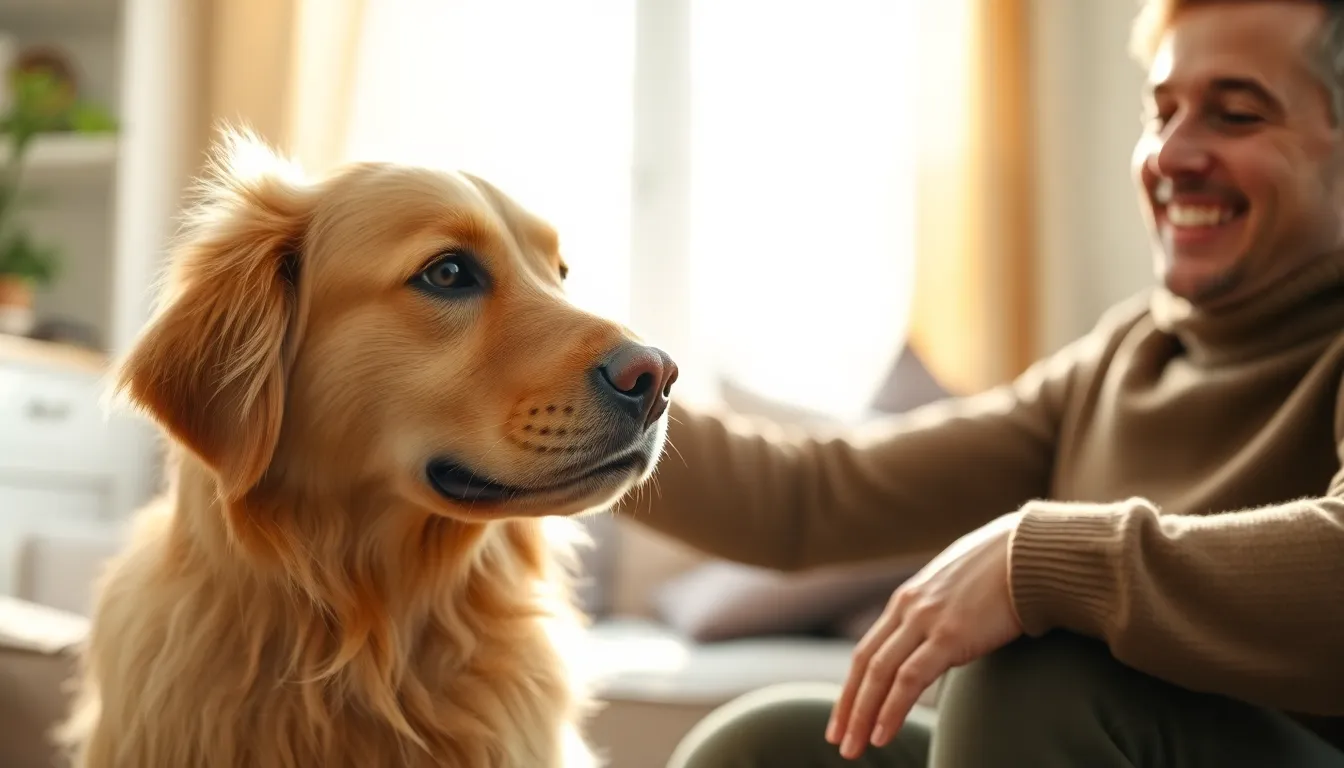
When you observe your dog tilting its head as you speak, it’s often more than just a cute quirk. This adorable gesture frequently sparks a delightful reaction from humans, leading to an unconscious cycle of reinforcement. This phenomenon is a primary reason why dogs tilt their head when you talk, as they quickly learn to associate the action with positive outcomes from their human companions. Dogs are highly perceptive and incredibly skilled at observing human behavior, and they often use these insights to their advantage in seeking attention.
Human reactions play a critical role in this learning process. Whether it’s a gentle pet, enthusiastic praise, or even a small treat, these responses serve as potent motivators for our canine companions. A dog might initially tilt its head due to an auditory cue or simply out of curiosity. However, upon receiving an immediate ‘Aww!’ or a loving scratch behind the ears, the dog instinctively registers that this specific action yielded a desirable response. This direct feedback loop is fundamental to how dogs acquire and repeat certain behaviors.
The Scientific Basis: Positive Reinforcement in Action
At the heart of this charming habit lies the powerful principle of positive reinforcement. This core concept in behavioral science explains how a specific behavior is strengthened by the immediate presentation of a desirable stimulus following that action. For dogs, human attention in the form of affection, verbal praise, a cheerful tone, or even a small food reward acts as this powerful and often irresistible stimulus.
When a dog tilts its head and subsequently receives a treat or a loving pet, it perceives this interaction as a direct and beneficial consequence of its action. The dog’s brain then rapidly forms a connection: head tilt equals positive human attention. This learning process is remarkably efficient and profoundly effective. Scientific studies on behavioral acquisition demonstrate that acquisition rates for new behaviors through positive reinforcement typically range from a robust 70% to 95%. This means that if consistently rewarded, a dog is highly likely to learn and repeat the head-tilting behavior, making it a reliable strategy for getting your attention.
Decoding Your Dog’s Intent: Curiosity to Calculation
Dogs possess an extraordinary capacity for learning, coupled with an acute understanding of cause and effect, especially when those effects involve their human companions. They are continuously testing boundaries and experimenting with different behaviors to discern what elicits a favorable response from their owners. Initially, a dog might tilt its head out of genuine curiosity, attempting to better pinpoint the source or nuances of your voice, or perhaps to gain a clearer visual perspective by shifting its ear canal. This initial exploratory action then becomes the trigger for our human reactions.
Once that initial head tilt is met with positive reinforcement—be it a smile, a soothing voice, or a comforting touch—the dog begins to make a conscious association. This connection solidifies with each repeated positive interaction. Over time, the dog transitions from an accidental head tilt to intentionally employing the gesture. It becomes a deliberate strategy not just to process information, but to actively garner attention, affection, or even a treat from its owner. This cognitive shift is a key factor in understanding why dogs tilt their head when you talk, evolving from an instinctive reaction to a learned, purposeful communication tool. Just like we might plan a trip, they plan their interactions to maximize positive outcomes, perhaps even considering pet-friendly travel accommodations if it means more time with us.
The Human Element: Reinforcing the Irresistible
The sheer cuteness of a dog’s head tilt makes it almost impossible for humans to resist reacting positively. We are inherently wired to find such expressions endearing and vulnerable, and our natural inclination is to reward what we perceive as charming or responsive behavior. This creates a powerful, often subconscious, feedback loop that perpetuates the head-tilting habit. Our adoring responses, while heartfelt, are precisely what solidify the behavior.
Every soft ‘good boy’ whispered, every gentle chin scratch, every delighted laugh, and every small piece of kibble offered after a head tilt acts as a reinforcing agent. Owners might be completely unaware that they are actively, albeit unintentionally, training their dog to tilt its head. Yet, from the dog’s perspective, the lesson is clear and consistent. This dynamic interaction forms a significant part of the unique bond between humans and their pets, built through a series of subtle, yet highly effective, learned cues.
Understanding this fundamental aspect of canine behavior empowers owners to recognize the profound impact their everyday reactions have. It highlights that even seemingly spontaneous acts of affection contribute to shaping a dog’s behavioral repertoire. While there’s certainly no harm in enjoying your dog’s adorable antics, recognizing the underlying behavioral mechanisms provides deeper insight into your pet’s learning process. For example, ensuring your pet’s overall well-being with comprehensive pet insurance plans contributes to a happy home where such charming behaviors can flourish.
Featured image generated using Flux AI
Source
Animal Cognition (Article: An exploratory analysis of head-tilting in dogs)
Psychology Today (Article: Do Dogs Tilt Their Heads To Hear Better?)
Learning & Behavior (Article: Dogs’ visual perception of human emotional expressions is affected by experience and face part visibility)