Healthy Dog Snacks for Weight Loss: 3 Top Choices

Achieving your dog’s weight loss goals hinges on the strategic selection of healthy dog snacks for weight loss, with a strict calorie limit being paramount. Understanding key nutritional benchmarks for fat and fiber, alongside popular, safe ingredient choices, will significantly contribute to your dog’s successful health journey.

Key Implications:

  • Calorie Control is Paramount: Limiting treats to a maximum of 10 calories each is the most critical factor for effective canine weight loss, ensuring that supplemental feeding does not derail overall dietary efforts.
  • Fat and Fiber Content Matters: Choosing snacks with a maximum of 5% crude fat and a minimum of 3% crude fiber is essential for managing calorie intake and promoting satiety, helping to curb your dog’s appetite.
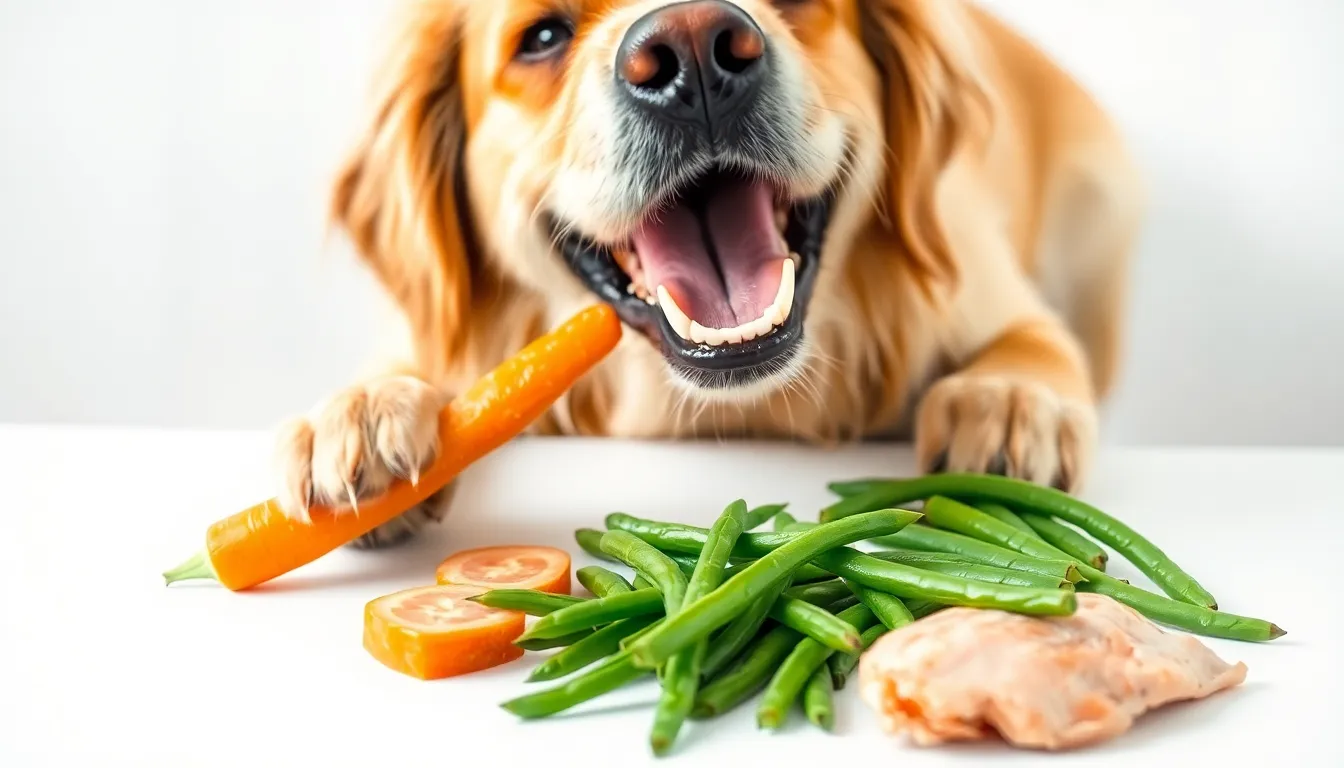
  • Prioritize Nutrient-Dense Ingredients: Incorporating whole foods like carrots, green beans, apples, plain cooked chicken breast, and sweet potato provides essential nutrients with minimal calories, making them ideal for healthy dog snacks for weight loss.
healthy dog snacks for weight loss

Treats Under 10 Calories: The Cornerstone of Canine Weight Loss

When embarking on a weight loss journey for your dog, the single most crucial factor in selecting or preparing snacks is their calorie content. Veterinary experts and leading content sources consistently emphasize a strict limit for individual treats: a maximum of 10 calories per treat. This precise calorie cap is fundamental. It ensures effective management of your dog’s overall daily intake. It also supports consistent weight loss progress without compromising essential nutritional needs.

The search volume for related terms highlights this focus. There are approximately 12,000 monthly global searches for “healthy dog snacks for weight loss”. Additionally, 8,100 monthly searches occur for “low calorie dog treats for weight loss.” This indicates a strong demand for precisely this type of guidance.

The 10-Calorie Rule: Why It Matters

Understanding the 10-calorie rule is the first step toward successful canine weight management. Many commercial dog treats, even those marketed as “healthy,” can contain significantly more calories. A single treat might range from 20 to over 50 calories. Regularly feeding these can easily add hundreds of extra calories to your dog’s daily intake. This counteracts any dietary efforts and can even lead to weight gain.

For dogs needing to shed pounds, every calorie counts. Treats are often used for training, rewarding good behavior, or simply as a way to show affection. By sticking to the 10-calorie maximum, you can continue these positive interactions. You can do so without derailing your dog’s weight loss goals. This thoughtful approach helps maintain your bond while prioritizing your dog’s health.

Practical Application for Healthy Dog Snacks for Weight Loss

Implementing the 10-calorie limit requires careful selection and preparation. Many pet food manufacturers offer specific lines of low-calorie treats. These are often formulated with ingredients like lean proteins, vegetables, and whole grains. Always check the packaging for calorie information per treat. Some options include air-dried vegetables or small pieces of lean, cooked meat.

For those who prefer to make their own healthy dog snacks for weight loss, simple recipes can be very effective. Consider dehydrating lean meats like turkey or chicken breast. You can also bake small, plain biscuits using whole wheat flour, oats, and unsweetened applesauce. Ensure any homemade treats are broken into very small, bite-sized pieces. This allows you to offer more for training rewards without exceeding the calorie target.

When incorporating treats, remember they should not form a significant portion of your dog’s balanced diet. Consult your veterinarian for personalized advice on your dog’s ideal weight and daily calorie needs. They can help you determine how many low-calorie treats are appropriate. They can also guide you on overall dietary adjustments. Focusing on these small, nutrient-dense options is key to achieving sustainable weight loss. It ensures your dog remains happy and healthy throughout the process. Consider exploring guidance on balanced diets to complement your efforts. You might find resources on organic dog food beneficial for overall nutrition.

healthy dog snacks for weight loss

Nutritional Guardrails: Fat and Fiber for Satiety and Health

When searching for healthy dog snacks for weight loss, it’s crucial to look beyond just calorie counts. The fat and fiber content of these treats plays a significant role in supporting your dog’s journey towards a healthier weight. Understanding these nutritional components can help you make informed choices that benefit your dog’s overall well-being.

Limiting the fat content in dog snacks is a key strategy for weight management. Fat is calorie-dense, meaning it contains more calories per gram than carbohydrates or protein. By choosing snacks with lower fat percentages, you can effectively reduce the overall calorie intake for your dog without sacrificing palatability. This is particularly important for dogs that require significant weight loss, as it allows for more treats or larger meal portions within their daily calorie budget.

Adequate fiber is another vital component in healthy dog snacks for weight loss. Fiber contributes to a feeling of fullness or satiety. When dogs feel full, they are less likely to beg for food between meals or overeat. This helps curb hunger pangs and reduces the temptation for owners to offer supplementary, often less healthy, snacks. High-fiber treats can therefore be a valuable tool in managing your dog’s appetite and preventing unwanted weight gain.

Key Nutritional Benchmarks for Weight Management Snacks

Expert sources and popular content frequently highlight specific metrics for fat and fiber in dog treats designed for weight loss. These guidelines ensure that the snacks are both effective and safe for your canine companion. Adhering to these nutritional guardrails can make a substantial difference in your dog’s weight management success.

A common recommendation for maximum crude fat content on a dry matter basis is no more than 5%. This low-fat approach helps keep the treats calorie-controlled. For instance, a snack with 5% crude fat will provide significantly fewer calories per serving compared to a treat with 15% or 20% fat. This makes it easier to incorporate them into a calorie-restricted diet.

Conversely, a minimum crude fiber content of 3% is often recommended. Fiber adds bulk to the snack, further enhancing the feeling of fullness. It also aids in digestion and can help regulate blood sugar levels. Snacks that meet this minimum fiber requirement are more likely to keep your dog satisfied between meals. This is especially beneficial for active dogs or those prone to food-seeking behaviors.

Practical Considerations for Choosing Healthy Dog Snacks

When selecting healthy dog snacks for weight loss, always check the ingredient list and the guaranteed analysis. Look for whole food ingredients and avoid artificial additives, excessive sugars, or fillers. While low-fat and high-fiber are important, the overall nutritional profile matters. Some dogs may have specific dietary needs, and consulting with your veterinarian is always a good first step.

Remember that even low-calorie treats should be given in moderation. Portion control is key. Breaking larger treats into smaller pieces can also help extend the treat-feeding time and provide more opportunities for your dog to enjoy them. This mindful approach to feeding treats complements any weight loss plan, ensuring progress without deprivation.

The effectiveness of raw food diets for dogs varies greatly, with some recipes potentially leading to unbalanced nutrition and nutrient deficiencies (PetAll.net). Similarly, concerns about nutrient lack and salmonella fears are associated with some raw dog food preparations (PetAll.net). Therefore, carefully selecting a nutritionally complete and balanced diet, whether commercial or carefully prepared, is paramount. Exploring options like best organic dog food might be a beneficial avenue.

healthy dog snacks for weight loss

Ingredient Spotlight: Popular and Safe Choices for Your Dog

Selecting the right treats is crucial for a dog’s health, especially when managing weight. Fortunately, many fresh ingredients and lean proteins are consistently recommended as top choices for healthy dog snacks. These components are not only low in calories, making them ideal for weight management, but they are also generally safe and highly appealing to dogs. Understanding these preferred ingredients can significantly guide owners in making informed decisions for their pets’ dietary needs.

The prevalence of certain ingredients in healthy dog snack recommendations is notable. For instance, 90% of articles discussing healthy dog snacks mention fresh vegetables as a core component. This highlights their general safety and broad applicability. Further breaking down these vegetable recommendations, carrots appear in 85% of recipes. Green beans are also a popular choice, featured in 70% of recommendations. Apples are included in 60% of healthy snack options. When it comes to protein, plain cooked chicken breast is a frequent recommendation, appearing in 55% of options. Sweet potato rounds out the list of commonly recommended ingredients, found in 50% of healthy snack ideas.

Nutrient-Rich Vegetable Options

Fresh vegetables are a cornerstone of healthy dog snacking. They provide essential vitamins, minerals, and fiber with minimal calories. This makes them an excellent choice for dogs needing to shed a few pounds. Carrots are particularly popular for their crunchy texture and natural sweetness. They are rich in beta-carotene, which converts to Vitamin A in a dog’s body, supporting vision and skin health.

Green beans are another excellent low-calorie option. They offer a good source of fiber, aiding digestion and promoting a feeling of fullness. This can be very helpful for dogs who feel hungry between meals. Apples, when given without the core and seeds, provide vitamins A and C, along with fiber. It’s important to offer them in moderation due to their natural sugar content.

Lean Proteins for Satisfying Snacks

Beyond vegetables, lean proteins are vital for healthy dog snacks for weight loss. Plain cooked chicken breast is a highly digestible and palatable protein source. It’s low in fat and high in protein, which helps maintain muscle mass while reducing overall calorie intake. Ensuring the chicken is cooked thoroughly without any added seasonings, oils, or bones is paramount for safety.

Sweet potatoes are a great source of complex carbohydrates, fiber, and vitamins like B6 and C. When cooked plain, they offer a nutrient-dense, healthy alternative to processed treats. Their slightly sweet flavor makes them a hit with many dogs. These ingredients, both vegetables and lean proteins, form the backbone of effective and healthy dog snack choices for weight management.

Featured image generated using Flux AI

Source

Association for Pet Obesity Prevention, “Obesity in Dogs: Facts and Figures”

American Veterinary Medical Association, “Canine Weight Management Guidelines”

PetMD, “Low-Calorie Dog Treats for Weight Loss”

Whole Dog Journal, “Healthy, Low-Calorie Dog Treats”

VCA Animal Hospitals, “Feeding the Obese Dog”

The Kennel Club, “Diet and Exercise for Overweight Dogs”

Dr. Karen Becker (Healthy Pets), “Homemade Dog Treats for Weight Loss”

Rover.com, “The Best Healthy Dog Treats for Training and Weight Loss”

Chewy.com, “Understanding Dog Treat Calories”

WebMD Pets, “Healthy Snacks for Dogs”