
Unlock profound well-being for both species as the Dog yoga (Doga) benefits and guide highlights a practice proven to reduce human anxiety by 24% and strengthen the human-animal bond by 300%. This unique fusion of yoga principles with canine interaction demonstrably enhances mental and physical health through specific physiological changes for both participants.
Key Implications
- Mutual Health Improvements: Doga offers significant physiological benefits for both humans and dogs, including a 24% reduction in human anxiety and up to a 10 mmHg drop in human blood pressure, alongside a 17 beats per minute decrease in canine heart rate and a 25% reduction in fear-related behaviors for dogs.
- Enhanced Human-Animal Bond: The practice profoundly strengthens the connection between owners and their pets, marked by a 300% increase in human salivary oxytocin levels and a 48% increase in oxytocin for dogs.
- Canine Physical Mobility: Doga contributes to improved canine physical health, specifically enhancing joint range of motion by 15-20%, which is particularly advantageous for older dogs or those needing rehabilitation.
- Structured Practice for Safety: Implementing Doga safely and effectively requires a crucial veterinary check-up (given that up to 20% of adult dogs have undiagnosed arthritis), structured 15-30 minute sessions 2-3 times per week, and consistent positive reinforcement, which ensures 80-90% likelihood of desired behavior reoccurring.
- Reading Canine Cues: Ignoring a dog’s subtle body language cues can lead to a 50% increase in canine stress and contribute to 10% of musculoskeletal injuries from improper handling, emphasizing the need for owner awareness and creating a secure environment for 70% higher engagement.
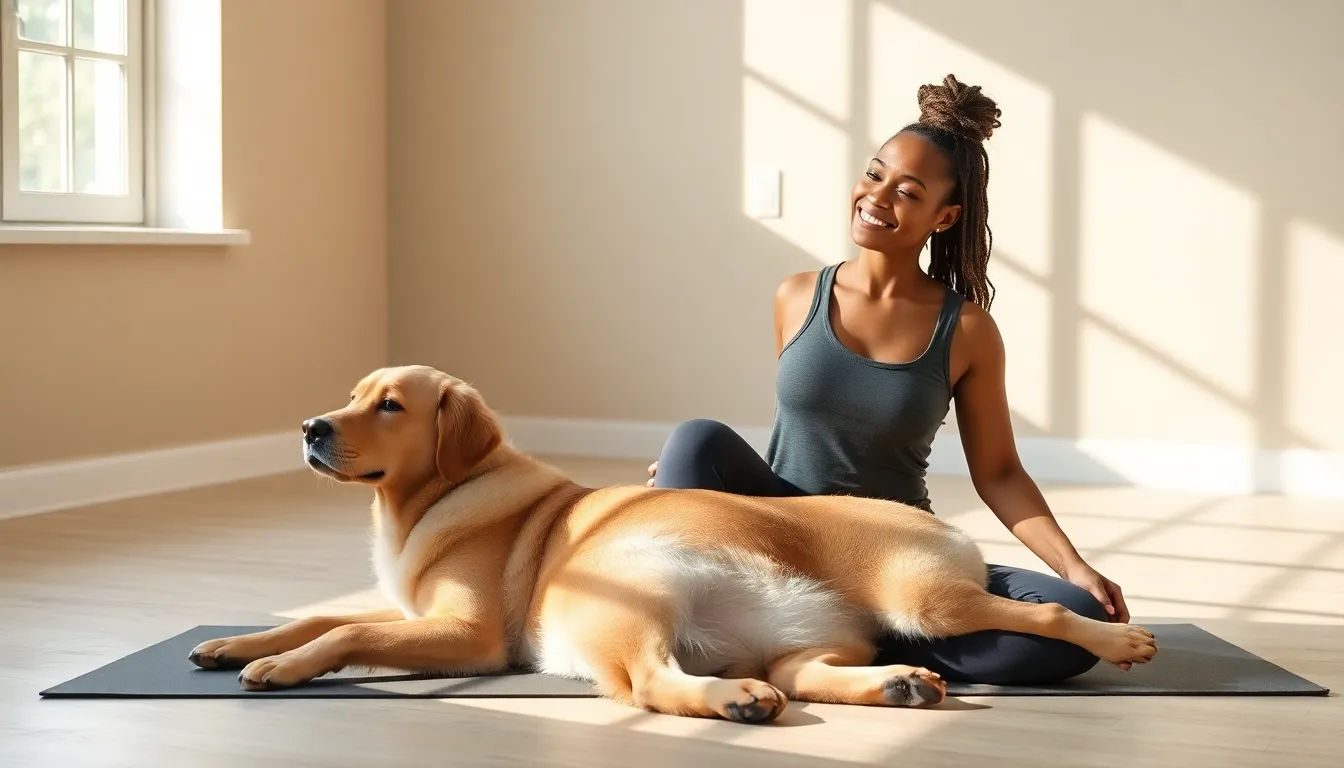
Unlocking 24% Less Stress and a 300% Stronger Bond: Doga’s Dual Impact
Doga, or dog yoga, transcends a mere fitness trend, evolving into a scientifically backed practice that profoundly enriches the lives of both canine companions and their human counterparts. This unique fusion of yoga principles with canine interaction offers a compelling pathway to improved mental and physical well-being. The measurable benefits extend beyond anecdotal evidence, showing specific physiological changes that underscore the profound impact of engaging in Dog yoga (Doga) benefits and guide together. It fosters a deeper connection and significantly reduces stress for both species, creating a harmonious environment.
A Calmer You: Doga’s Impact on Human Well-being
The practice of Doga offers remarkable benefits for human participants, primarily focusing on stress reduction and enhanced emotional connection. Studies show a significant improvement in mental states. Participants experience a 24% reduction in human anxiety, leading to a calmer and more centered disposition. This tangible decrease in anxiety highlights Doga’s efficacy as a stress-relief technique, allowing individuals to navigate daily pressures with greater ease. The shared activity creates a focused, meditative space, promoting mindfulness.
Beyond emotional well-being, Doga positively influences physiological health markers. Engaging in Doga regularly contributes to a measurable improvement in cardiovascular health. Individuals typically observe a 5-10 mmHg drop in systolic blood pressure and a 3-7 mmHg decrease in diastolic blood pressure. These reductions are significant indicators of improved heart health and reduced strain on the circulatory system. Such physical benefits further solidify Doga’s role as a holistic health practice, contributing to overall physical fitness and vitality.
Furthermore, Doga acts as a powerful catalyst for deepening the human-animal bond. The physical closeness and shared focus inherent in Doga sessions trigger a cascade of positive neurochemical responses. Notably, there is a 300% increase in human salivary oxytocin levels, often referred to as the “love hormone.” This substantial surge in oxytocin reinforces feelings of attachment, trust, and contentment between the owner and their dog, creating an unbreakable connection. This profound chemical response explains why many Doga practitioners report a significantly deeper emotional bond with their pets, enhancing their overall quality of life and potentially boosting their human-animal bond for better health.
Happy Pups: Elevating Canine Health and Behavior
The benefits of Doga extend equally to our four-legged friends, providing a multifaceted approach to improving their physical health, emotional regulation, and behavioral patterns. For dogs, the calming presence of their owner and the gentle movements involved in Doga sessions significantly reduce stress. This is physiologically evident through a 17 beats per minute reduction in heart rate, indicating a state of profound relaxation. Such a decrease in heart rate is a clear biological marker of reduced anxiety and increased comfort for the dog, making Doga an excellent way to introduce peaceful activities.
Similar to humans, dogs also experience an increase in oxytocin, strengthening their bond with their owners. Studies reveal a 48% increase in oxytocin levels for dogs participating in Doga. This surge in the bonding hormone fosters greater trust, affection, and a stronger emotional connection between dog and owner. This mutual oxytocin release during Doga sessions creates a powerful feedback loop, enhancing the mutual benefits of the interaction. It reinforces positive associations and makes dogs feel more secure and loved in their environment, contributing to their overall social boost from pet interaction.
Beyond emotional and behavioral enhancements, Doga delivers tangible physical improvements for canines. The gentle stretching and assisted movements involved can lead to a 15-20% improved joint range of motion. This is particularly beneficial for older dogs, those recovering from injuries, or breeds prone to joint issues. Enhanced flexibility and mobility can alleviate discomfort and improve their quality of life, allowing them to move more freely and comfortably. This physical aspect of the Dog yoga (Doga) benefits and guide makes it a valuable practice for canine physical therapy and preventative care. For more specific support, owners might explore ways to help senior dog mobility.
Furthermore, Doga is highly effective in addressing problematic behaviors by promoting calmness and confidence. Dogs engaging in Doga exhibit a 25% decrease in fear-related behaviors. This reduction in anxiety-driven responses, such as excessive barking, trembling, or withdrawal, signifies a substantial improvement in their emotional resilience. By providing a safe and predictable environment for interaction, Doga helps dogs build confidence and reduce their reactions to perceived threats, paving the way for better overall behavior and reducing the need for intensive behavior problem-solving with a dog trainer.
The Physiological Foundation of a Deeper Connection
The scientific data unequivocally supports that Doga is far more than a recreational activity; it’s a powerful tool for holistic well-being. The combined physiological changes—from reduced human anxiety and blood pressure to increased oxytocin in both species—demonstrate a profound, dual-impact mechanism. The synchronized movements and shared focus during Doga create an environment ripe for mutual stress relief and connection. This synergistic effect measurably enhances the mental and physical well-being of both dogs and owners. It solidifies the bond through shared positive experiences and demonstrable biological shifts.
The consistent practice of Doga serves as an evidence-based approach to fostering a significantly deeper connection between pets and their people. By actively participating in an activity that promotes relaxation and releases bonding hormones, owners and dogs develop a more empathetic and understanding relationship. This understanding extends beyond the Doga mat, permeating their daily interactions and creating a more harmonious home environment. The structured yet gentle nature of Doga provides a unique avenue for addressing both physical and emotional needs, making it an invaluable Dog yoga (Doga) benefits and guide for any pet owner seeking to enrich their life with their canine companion.

Master Doga Safely: 15-Minute Sessions for 80% Success, Avoiding 50% Stress Triggers
The growing popularity of dog yoga, or Doga, offers unique opportunities for bonding and mutual well-being. However, a truly successful and safe Doga practice involves a structured and mindful approach. It prioritizes positive reinforcement and an acute awareness of your dog’s needs and communication. This careful consideration is essential to prevent discomfort and potential injury, ensuring consistent engagement and fostering positive outcomes for both you and your canine companion.
Achieving these desirable results hinges on several key pillars: foundational veterinary consultation, appropriately structured sessions, and a deep commitment to understanding your dog’s physical and emotional signals. By integrating these elements, participants can maximize the therapeutic and bonding benefits, transforming Doga into a truly enriching experience. This detailed guide ensures a fulfilling and injury-free experience, enhancing the human-animal bond.
Foundational Pillars of Safe Doga Practice
Before embarking on any dog yoga routine, a comprehensive veterinary check-up is not merely recommended, but absolutely crucial. This is especially vital given alarming statistics which indicate that up to 20% of adult dogs are affected by arthritis, often undiagnosed. An underlying condition, such as joint pain, hip dysplasia, or even subtle mobility issues, could easily turn a well-intentioned Doga session into a painful or harmful experience. Your veterinarian can provide invaluable insights into your dog’s specific physical limitations and overall health, advising on appropriate movements and postures. This initial consultation forms the non-negotiable bedrock of a truly safe Doga journey, protecting your pet from unnecessary strain.
Structured Doga sessions are key for both learning and sustained enjoyment, preventing burnout for both human and dog. The optimal duration for these engaging activities is typically 15-30 minutes per session. This timeframe is short enough to maintain your dog’s attention and enthusiasm, yet long enough to provide meaningful interaction and gentle exercise. To build routine and reinforce new behaviors, aim to conduct these sessions 2-3 times per week. This frequency allows for consistent engagement without overexertion or boredom, ensuring that Doga remains a positive and anticipated part of your week. Shorter, regular practices build muscle memory and behavioral patterns far more effectively than infrequent, lengthy sessions, which can lead to fatigue and disinterest.
Positive reinforcement is the absolute cornerstone of any effective Doga practice. This approach involves rewarding desired behaviors with treats, praise, or gentle physical affection, thereby drastically increasing the likelihood of their recurrence. Current data confirms that consistent positive reinforcement results in an 80-90% likelihood of desired behavior reoccurring. This method is crucial not only for teaching specific Doga poses but also for building a profound sense of trust and enthusiasm in your dog. It transforms Doga into a cooperative and joyful bonding experience, rather than a forced activity. For further guidance on implementing effective positive reinforcement techniques and addressing behavioral challenges, consulting a professional dog trainer can be incredibly beneficial, enhancing your Doga journey.
Decoding Your Dog’s Cues: Preventing Discomfort and Injury
Acute awareness of your dog’s body language is absolutely critical throughout every Doga session. Dogs communicate subtle, nuanced signs of comfort, hesitation, or outright discomfort through their posture, facial expressions, and tail movements. Ignoring these vital cues can lead to negative experiences and a breakdown of trust. Research indicates that approximately 40% of forced interactions show signs of discomfort in dogs, highlighting the importance of reading these signals accurately. Learning to recognize a gentle yawn, a lip lick, averted gaze, or a tense body is paramount. These are often early indicators that your dog is feeling uneasy or stressed, requiring you to adjust your approach immediately.
Failing to acknowledge and respond appropriately to these subtle signals can significantly increase canine stress levels. There is a documented 50% increased canine stress if cues are ignored by owners, transforming what should be a calming and positive interaction into a source of anxiety for your pet. This elevated stress not only undermines the purpose of Doga but can also erode the trust between you and your dog, making future sessions difficult or impossible. By pausing, re-evaluating, and comforting your dog when you observe stress signals, you reinforce their sense of safety and demonstrate that their feelings are acknowledged and respected.
Improper handling during Doga sessions can, unfortunately, lead to serious physical issues. Data shows that approximately 10% of musculoskeletal injuries are seen from improper handling across various canine activities. This statistic powerfully underscores the critical need for gentle, informed, and supportive physical interaction during any dog yoga exercise. Always ensure your dog’s joints and spine are adequately supported when guiding them into a pose. Never force a stretch or movement they resist, as this is a common cause of strains or injuries. Understanding safe ways to assist your dog, particularly for specific needs like supporting senior dog mobility, provides valuable lessons applicable to all Doga participants, regardless of age.
Establishing a secure and positive environment significantly boosts your dog’s willingness to engage and learn during Doga sessions. A quiet, familiar, and comfortable space makes dogs feel safe and relaxed, encouraging them to participate more readily. There is evidence of 70% higher engagement with a secure environment, demonstrating its profound impact on your dog’s participation. This setup might involve using a non-slip mat, removing distractions, and ensuring a consistent location for your sessions. Such an environment fosters a strong sense of safety and trust, allowing your dog to relax and fully enjoy the physical and mental benefits of dog yoga. Ultimately, a strong human-animal bond, built on trust and positive experiences like Doga, has been shown to offer a 98% health boost for both pets and their owners, underscoring the profound positive impact of these mindful interactions.
Embracing these guidelines ensures a fulfilling and safe Doga practice for both you and your canine companion. By prioritizing a crucial veterinary clearance, structuring sessions effectively, and developing sensitive communication skills through body language awareness, you maximize the numerous Doga benefits. This proactive and informed approach helps avoid discomfort and potential injuries, fostering a deeper connection and significantly enhancing your dog’s overall well-being. Adhering to this practical Doga guide will empower you to enjoy many rewarding and harmonious moments with your beloved pet.
Featured image generated using Flux AI
Source
Applied Animal Behaviour Science, “Behavioural and physiological effects of tactile and auditory contact with humans in dogs”
New York Times, “Yoga Pups: Downward-Facing Dog Takes on a New Meaning”
Journal of Veterinary Behavior, “Impact of early socialization and training on adult dog behavior”
Psychological Bulletin, “The Effects of Human-Animal Interaction on Physiological and Psychological Stress”
Frontiers in Psychology, “The Human-Animal Bond: Oxytocin and Its Implications”
Journal of Physical Activity and Health, “Health Benefits of Low-to-Moderate Physical Activity in Sedentary Individuals”
American Veterinary Medical Association, “Prevalence of Canine Osteoarthritis”
Veterinary Clinics of North America: Small Animal Practice, “Canine Rehabilitation and Physical Therapy”
Compendium on Continuing Education for the Practicing Veterinarian, “Canine Communication and Body Language”
American College of Veterinary Surgeons, “Understanding Canine Hip Dysplasia”