Vets Say This Seemingly Harmless Way You Show Your Dog Affection Is Actually Pissing Them Off, as many common gestures of endearment are profoundly misinterpreted by our canine companions. Empirical observations indicate that startling a dog during rest can elicit behaviors ranging from discomfort to outright aggression, underscoring their vital need for personal space.
Key Implications:
- Canine Communication: Dogs display clear distress signals, such as growling, snapping, scooting away, or shivering, when startled by uninvited physical contact, especially during rest, highlighting their fundamental need for personal space.
- Variability in Dog Responses: A dog’s reaction to unexpected touch is complex and individualized, significantly shaped by its past experiences, inherent personality, the trust it places in the person, and its current health status.
- Building Mutual Respect: Fostering a strong bond requires owners to allow dogs to initiate interaction, approach gently from a distance, observe body language for invitations, and respect their autonomy regarding how and for how long they are petted.
Dog Behaviors Signal Strong Dislike of Sudden Touch
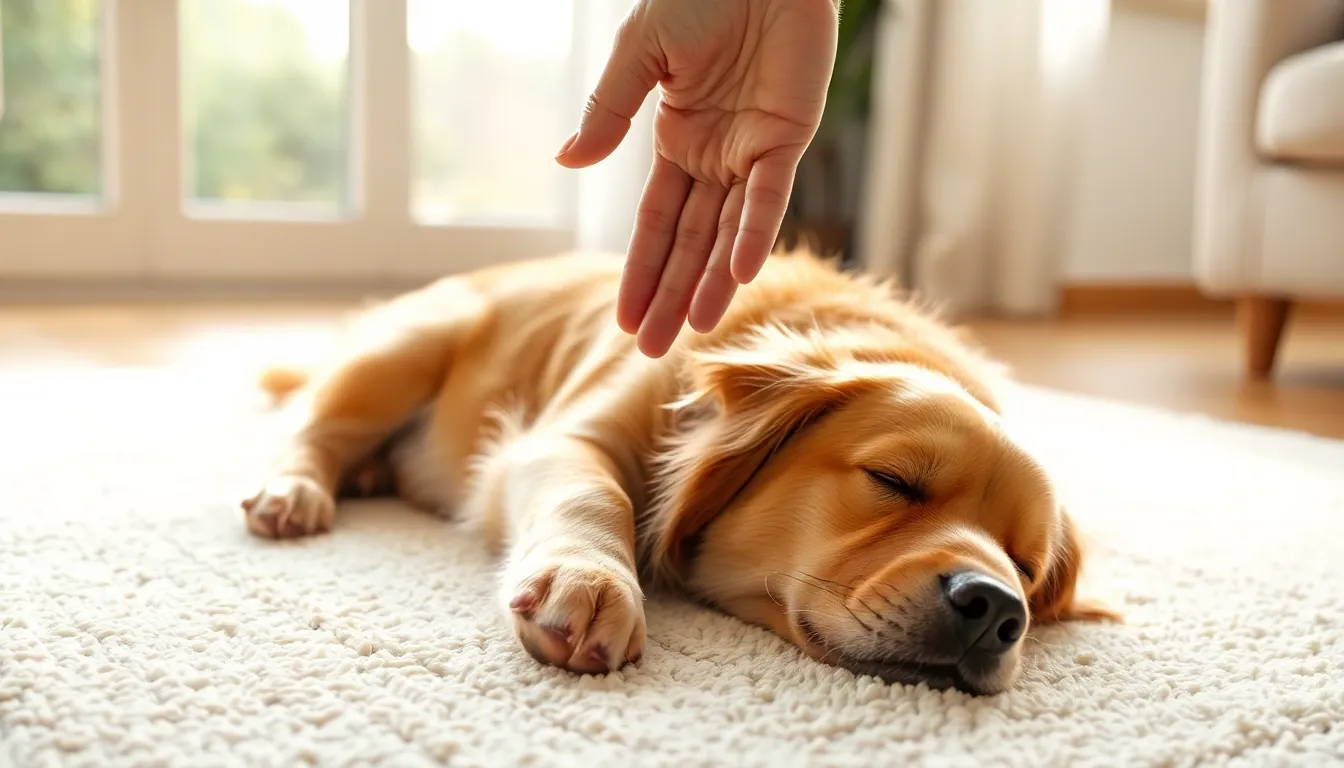
Many pet owners genuinely believe a gentle touch is always a benevolent gesture, particularly when a dog is at rest. However, empirical observations and expert analyses reveal a different reality. Approaching or touching a dog when it is asleep or off-guard frequently precipitates immediate distress, eliciting a spectrum of communicative behaviors signaling profound discomfort or potential aggression. This reveals that even seemingly harmless gestures can be misinterpreted by our canine companions.
Interpreting Canine Distress Signals
Canine reactions to uninvited physical contact during periods of rest consistently indicate displeasure. Some dogs might manifest their unease through overt growling or even snapping when abruptly startled by uninvited touch. These behaviors are direct, observable warnings that a boundary has been crossed, and the dog feels threatened.
In more severe instances of canine agitation, affected dogs may exhibit clear avoidance tactics. They might scoot away, seek to hide, or even begin shivering, underscoring their profound distress. Veterinary behaviorist Margaret M. Duxbury explicitly states that dogs “hate it!” when woken by being touched, emphasizing their strong aversion to such abrupt interruptions. This highlights the deep discomfort even well-intentioned contact can cause.
Moreover, the absence of overt aggression does not equate to enjoyment or acceptance. A dog that maintains a hard stare or simply continues to sleep peacefully when touched, despite not reacting aggressively, is often merely tolerating the interaction without pleasure. Such instances still indicate a lack of positive experience from the dog’s perspective.
The Importance of Personal Space
Understanding a dog’s intrinsic need for personal space draws a compelling parallel to human experiences when our boundaries are unexpectedly crossed. Consider how you might feel if abruptly awakened or if your personal space were invaded while you were deeply focused. Such intrusions often leave individuals feeling taken aback or even irritated.
Dog trainer Nicole Skeehan highlights this analogy, explaining that humans similarly feel encroached upon when their personal boundaries are violated during sleep or intense concentration. This perspective helps us empathize with why a seemingly harmless way you show your dog affection is actually pissing them off. Ignoring these subtle signals of discomfort can inadvertently erode the trust and bond between pet and owner over time.
Veterinary behavior specialist Valli Parthasarathy further underscores that these canine behaviors, whether growling, snapping, or hiding, are not merely reactions but direct communications. They unequivocally articulate a dog’s fundamental “need for space.” Recognizing and respecting these clear messages are crucial for fostering a healthy, trusting relationship. For further insights into canine communication and behavior, explore resources from experienced dog trainers.
Fostering Respectful Interactions
To ensure a positive and respectful interaction with your canine companion, adopting mindful approaches is essential. The objective is to prevent situations where dogs feel startled or distressed, particularly when they are most vulnerable during rest. This proactive stance cultivates a more secure environment for your pet.
- Always allow a sleeping dog to wake naturally, without physical prompting.
- When a dog is resting, approach gently and call their name softly from a distance to alert them gradually.
- Observe their body language carefully for clear invitations before initiating any physical contact.
Prioritizing your dog’s comfort and respecting their need for personal space strengthens your bond and prevents unnecessary stress. Implementing these practices reflects a deeper understanding of canine welfare. Learn more about effective pet care and solving common behavioral problems through expert guidance.
Modulating Factors: Why Dogs Respond Differently to Unexpected Contact
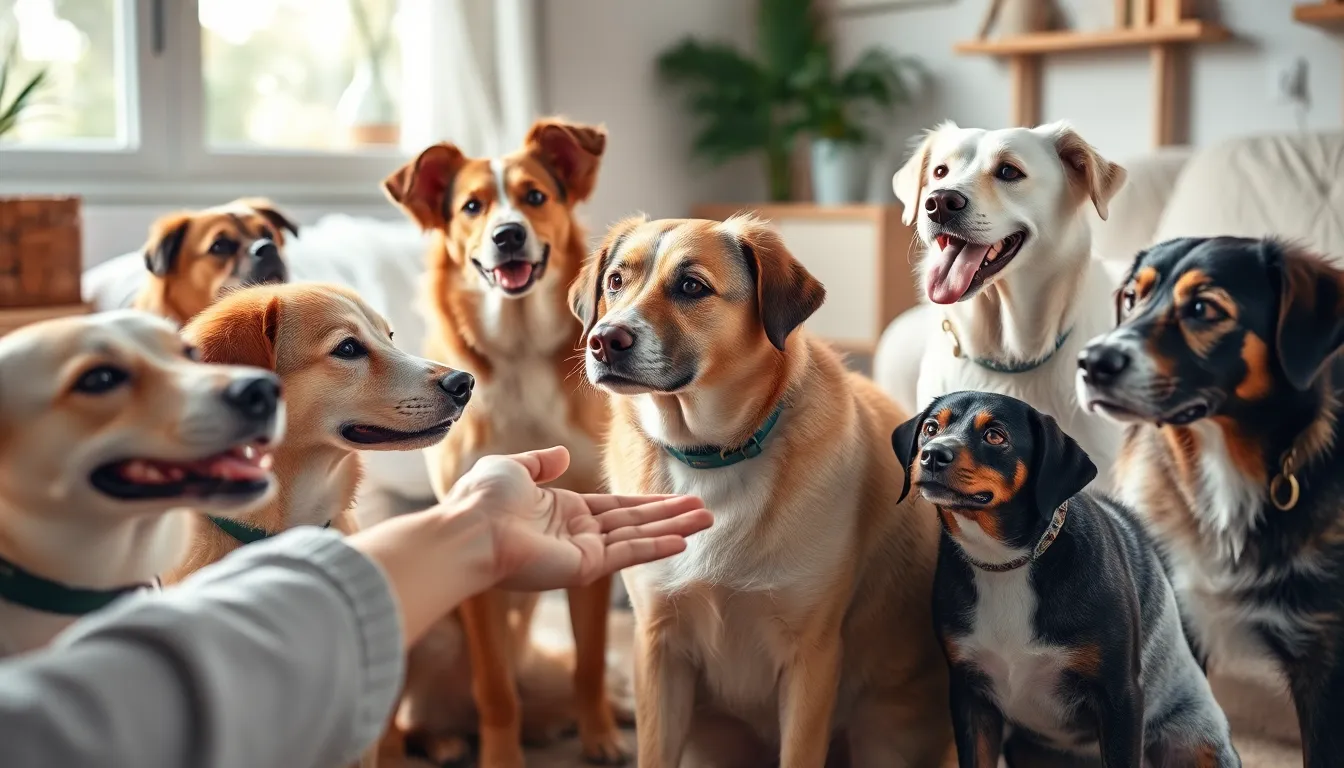
A dog’s reaction to physical touch, especially when off-guard, is a complex interaction of various elements, leading to highly individualized responses. This variability explains why Vets Say This Seemingly Harmless Way You Show Your Dog Affection Is Actually Pissing Them Off in some cases, while others remain unfazed. Understanding these nuanced factors is crucial for fostering a more harmonious relationship with canine companions.
The Profound Impact of History and Personality
A dog’s developmental history significantly shapes its perception of and reaction to unexpected physical contact. Early life experiences, such as instances of abuse or inadequate socialization, can profoundly influence a dog’s threat assessment. Consequently, these experiences predispose an individual dog to display heightened negative reactions when startled or touched without warning.
Beyond historical context, individual personality traits are critical determinants of a dog’s comfort levels. An outgoing or naturally touch-loving dog may exhibit greater tolerance for incidental contact. Conversely, reserved or touch-averse personalities are more likely to express discomfort or react strongly. Expert Nicole Skeehan emphasizes that these specific inherent traits directly modulate how a dog responds when feeling uneasy.
Trust Dynamics, Environmental Comfort, and Health Status
The relationship between a dog and the person initiating contact is paramount. A dog generally possesses a substantially higher tolerance for a trusted owner engaging in boundary-crossing behaviors, such as unexpected petting. However, the identical action performed by a stranger is more probable to elicit a stronger, potentially adverse response. The surrounding environment’s perceived safety and comfort also affect a dog’s willingness to accept unforeseen interaction.
Furthermore, a dog’s current health status significantly impacts its sensitivity to touch. Chronic conditions, such as arthritis, particularly in areas like the hips, can render specific body regions acutely sensitive. Unexpected contact with these painful areas can heighten a dog’s reactive behaviors, even if the touch comes from a familiar individual. This highlights the importance of regular veterinary assessments and understanding a dog’s physical vulnerabilities for better pet care.
Ultimately, a dog’s individual response to being touched when off-guard is not uniform. Instead, it is a complex interplay of:
- Past experiences: Including any history of abuse or poor socialization.
- Inherent personality: Ranging from touch-loving to highly touch-averse.
- Trust: The level of confidence the dog places in the person and its environment.
- Current health status: Any underlying conditions that cause pain or sensitivity.
Recognizing these modulating factors allows owners to approach interactions with greater empathy and prevent actions that could inadvertently cause distress.
Fostering Trust: Practical Steps for Respectful Dog Interaction
Dogs often seem to tolerate our displays of affection, but their body language can tell a different story. Many seemingly harmless ways you show your dog affection might actually cause them discomfort. Understanding how dogs perceive interaction is critical for building a deeper bond with your pet. The key message for fostering mutual trust and clear communication is simple. You must establish an environment where your dog feels safe to initiate interaction and allow them to choose when and how they are petted.
Initiating Respectful Contact
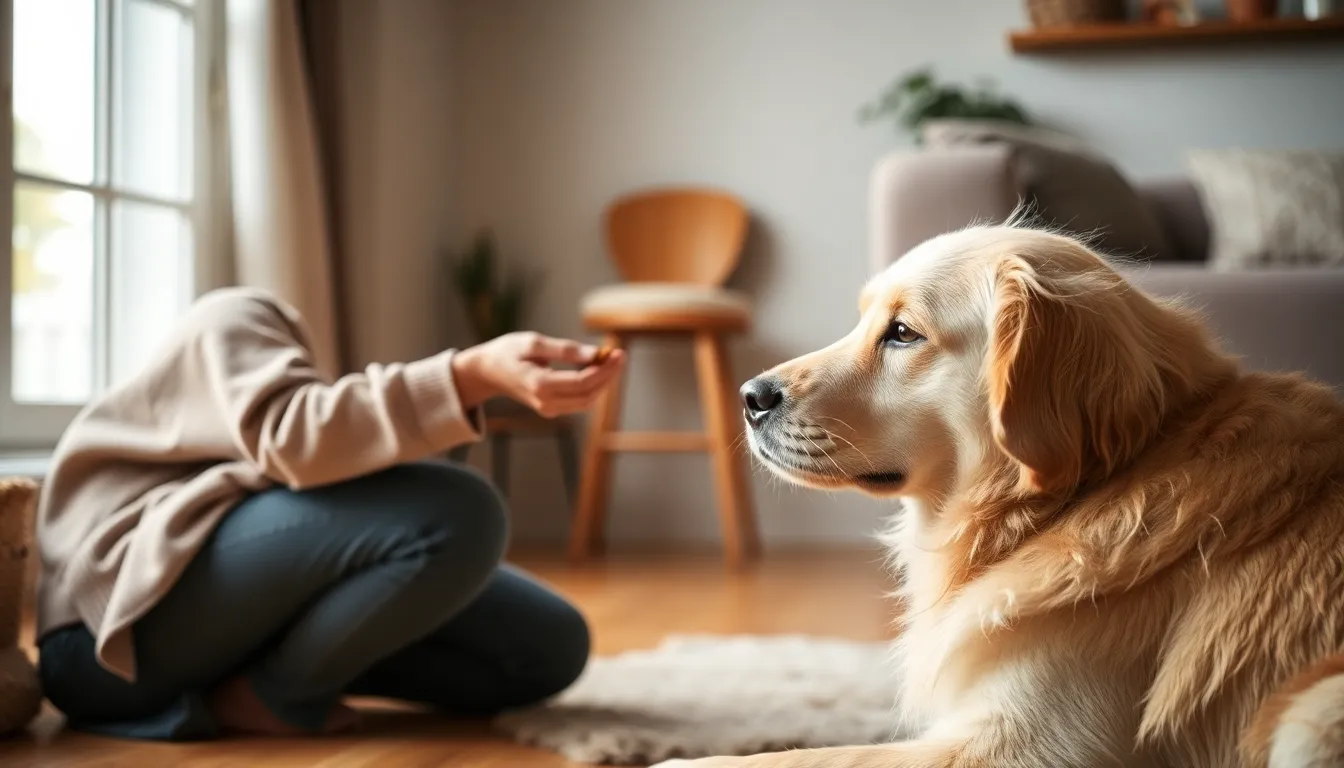
When you wish to engage with a dog, always invite interaction rather than force it. This respectful approach helps establish trust. You are encouraging them to decide if they are “in the mood for interaction” on their own terms. Veterinarians recommend specific steps to respectfully initiate interaction with your dog, emphasizing their autonomy and choice.
- Call your dog’s name in a gentle, inviting tone.
- Crinkle a treat bag to capture their attention, signaling a positive interaction.
- For deaf dogs, place a smelly treat near their nose to make them aware of your presence.
- Always approach your dog from a visible position, avoiding any sudden movements.
- Refrain from looming over them or bending directly down, as these postures can appear threatening.
These methods ensure your dog feels safe and in control of the interaction from the very beginning.
Understanding Your Dog’s Petting Preferences
Once a dog has chosen to engage, offer petting on areas they typically prefer. These often include the chest, shoulders, back, and under the neck. Avoid reaching over their head to pet them, as this can be startling or threatening. This specific way you show your dog affection can sometimes be misinterpreted, causing unnecessary anxiety.
Margaret M. Duxbury emphasizes a crucial point: dogs desire a “say” in how long and by whom they are petted. This autonomy directly contributes to long-term trust and reciprocal communication between you and your companion. You are building trust and strengthening your relationship when you respect their choices regarding physical contact.
Deciphering Your Dog’s Cues for Interaction
Observing your dog’s body language is paramount to respectful interaction. Your pet will communicate clearly if they desire more physical contact. They often move closer to you, gently paw at your hand, or nudge you for further attention. These are clear invitations for continued interaction.
Conversely, a dog desiring no more touches will actively move away or avoid your hand. Ignoring these signals by forcing a cuddle, even with good intentions, can be deeply upsetting for your pet. It can erode trust and lead to fear, which is a key part of how you show your dog affection and it actually pisses them off. Recognizing these subtle cues allows you to discern if your dog is genuinely “in the mood for interaction.” This respectful approach to physical contact is essential for maintaining a strong, positive relationship. If you encounter persistent behavioral issues, understanding how a Madison-based dog trainer can help solve common behavior problems might be beneficial.
By honoring their choice, you ensure that every interaction is a positive one, strengthening the bond between you. Ultimately, your goal is to create an environment where your dog feels secure and understood. This cultivates a partnership built on mutual respect and clear communication. For additional resources on pet care and behavior, explore insights from PerkyPet AI for bridging the vet-pet parent gap.
Featured image generated using Flux AI
Source
HuffPost: “Vets Say This Seemingly Harmless Way You Show Your Dog Affection Is Actually Pissing Them Off”