
An American Bully Dog Has Ultra-Rare Eyes So Stunning People Can’t Believe They’re Real, captivating global audiences with his distinctive gaze. Enzo’s unique sectoral heterochromia creates intricate patterns within his irises that elicit profound admiration and wonder.
Key Implications:
- Public Engagement: Enzo’s extraordinarily rare eye coloration significantly captivates the public, generating intense emotional and visual interest due to its perceived unreality and profound beauty.
- Genetic Basis: This unique ocular condition, sectoral heterochromia, is a genetic variation specifically linked to “merle” or “piebald” coat color genes, which influence melanin distribution within the eye.
- Canine Welfare: Understanding the genetic links associated with ocular variations like sectoral heterochromia is crucial for responsible breeding practices, enabling the anticipation and management of potential health implications.
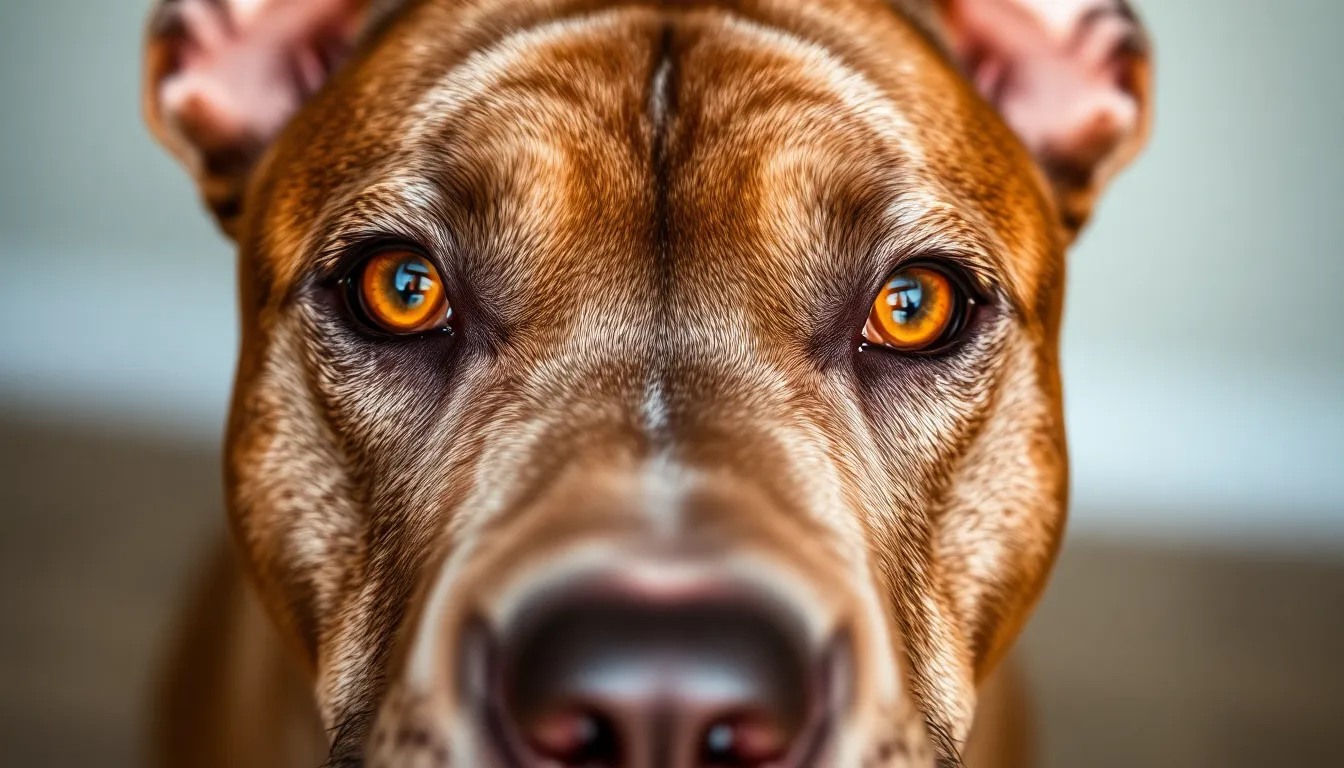
Public Awe Over Enzo’s Distinctive Gaze
Enzo, an American Bully dog, possesses an extraordinarily rare eye coloration that commands global attention. This distinctive feature has generated significant public fascination, prompting widespread disbelief and admiration from viewers. His truly unique appearance underscores why the American Bully Dog Has Ultra-Rare Eyes So Stunning People Can’t Believe They’re Real.
The Unmistakable Allure of Enzo’s Eyes
Enzo’s captivating eyes elicit profound emotional responses from observers. Many attest to their striking appearance, with one person stating, “‘His eyes look like they’re made of glitter.'” Such direct comparisons highlight the perceived unreality and profound beauty of his gaze.
Another viewer eloquently described the visual impact, remarking, “‘His eyes look like the sun peaking through autumn trees!!! So pretty!!!'” This sentiment reflects the powerful aesthetic quality of Enzo’s unique coloration. His distinctiveness significantly contributes to his ‘show-stopper’ appeal.
The admiration extends to a clear desire to immortalize his beauty. One comment urged, “‘If I were you… I would take a single picture and get it blown up to see the exquisite nature.'” This suggestion underscores the captivating power Enzo’s eyes hold over those who view them.
A Phenomenon of Public Engagement
Public engagement with Enzo’s photographs is exceptionally high. Viewers are consistently described as “transfixed, staring at our screens,” indicating prolonged and intense attention. This level of fascination underscores the dog’s magnetic presence and appeal.
The emotional depth of public comments further quantifies this engagement. One person exclaimed, “‘My heart just stopped from seeing this beautiful boy!!! Wowza.'” Such expressions illustrate the deep, visceral reaction Enzo elicits from his audience.
The consistent public response confirms “no one can get over what a show-stopper this fella is.” His distinctive features undeniably command universal admiration, solidifying his status as a social media sensation. If you are captivated by unique pet stories, you might also be interested in what happened when an owner checks pet cam.
Analyzing the Impact of Uniqueness
The collective outpouring of awe for Enzo demonstrates the powerful effect of truly unique animal characteristics. Such rarity transcends typical appreciation, sparking intense emotional and visual interest among a broad audience. His case illustrates how extraordinarily rare eye coloration can create significant public fascination.
This phenomenon surrounding Enzo’s gaze offers a compelling study in public perception of animal beauty. His distinctiveness generates a rare blend of astonishment and heartfelt admiration, driving immense online engagement. Exploring this unique connection fosters a greater understanding of our bond with animals.
Understanding the impact of unique traits also informs pet welfare and adoption efforts. You can learn more about finding your own companion by exploring resources on adopting a pit mix or discovering another playful pit mix available for adoption.
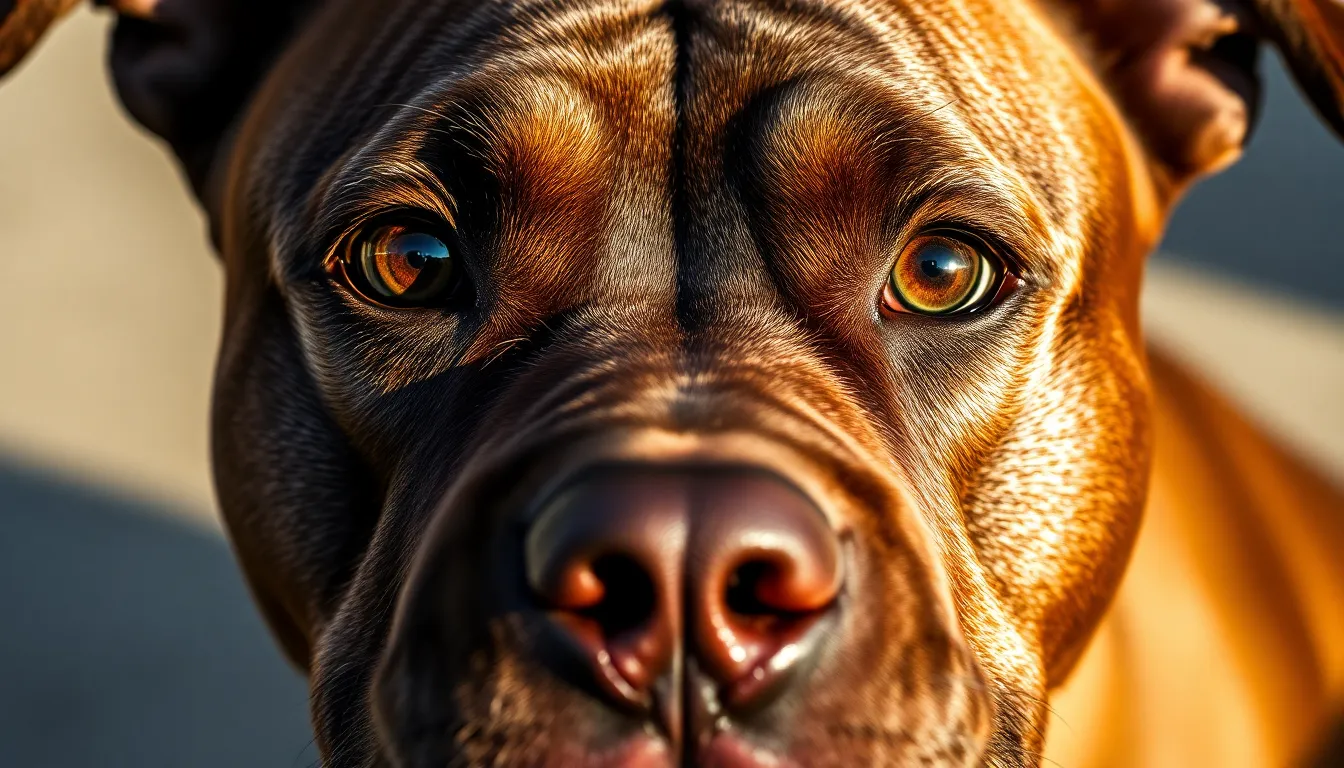
Enzo’s Sectoral Heterochromia Unveiled
Enzo, an American Bully dog, possesses eyes so stunning people often disbelieve their reality. This PRIMARY_KEYWORD highlights a rare ocular condition known as sectoral heterochromia.
Enzo’s condition involves distinct color segmentation within his irises, creating a truly unique appearance. This specific manifestation sets his gaze apart from other dogs with more common eye colors.
Understanding Sectoral Heterochromia
Sectoral heterochromia is a fascinating and uncommon ocular condition characterized by distinct color segmentation. Specifically, part of each iris displays a different color within the eye’s overall structure.
This genetic variation causes the eye to appear as if it is split into multiple color sections. It fundamentally differs from complete heterochromia, where each eye has an entirely different color, or central heterochromia, which forms a ring of color around the pupil.
The precise scientific term for Enzo’s condition is sectoral heterochromia, accurately defining its unique visual attributes. This rare phenomenon results in a visually striking and highly unusual appearance for any dog.
The condition’s specificity ensures that Enzo’s eyes are not merely different shades, but intricate canvases of distinct hues. This makes his gaze an object of wonder and close inspection, showcasing PRIMARY_KEYWORD in its purest form.
Enzo’s Captivating Visual Traits
Enzo’s specific visual traits contribute significantly to the unique aesthetic quality of his eyes. Observers note that the swirls within his irises look precisely like someone hand-painted them.
This descriptive visual characteristic highlights the intricate patterns and sharp color divisions present. The eyes are truly split into sections, each contributing to their overall beauty and complexity.
Furthermore, Enzo’s eye colors appear to move and shift depending on the ambient light conditions. This dynamic quality adds another layer of mystique to his already mesmerizing stare.
The remarkable beauty of this American Bully Dog’s eyes undeniably contributes to his widespread admiration. People frequently comment on the incredible depth and artistry evident in his unique gaze, underscoring his unparalleled visual appeal.
The Rarity and Appeal of Enzo’s Eyes
The appeal of an American Bully dog with such extraordinary eyes extends beyond mere aesthetics; it delves into the uniqueness of genetic expression. Enzo’s condition exemplifies a fascinating aspect of canine biology.
Highlighting the scientific term “sectoral heterochromia” accurately defines the rarity. This helps educate the public about the distinct manifestation observed in Enzo, rather than generalizing about all types of heterochromia.
Enzo’s sectoral heterochromia serves as a prime example of nature’s artistic and sometimes unpredictable expression. His unusual eyes make him truly memorable and a focal point of interest among dog enthusiasts.
This particular condition emphasizes the biological diversity present within dog breeds and individual animals. Such unique traits frequently capture public attention, inspiring appreciation for specialized characteristics.
Many pet owners celebrate their companions’ distinctive qualities, underscoring the individual charm each animal brings. You can explore more about dogs with unique attributes by visiting dedicated pet spotlight features online.
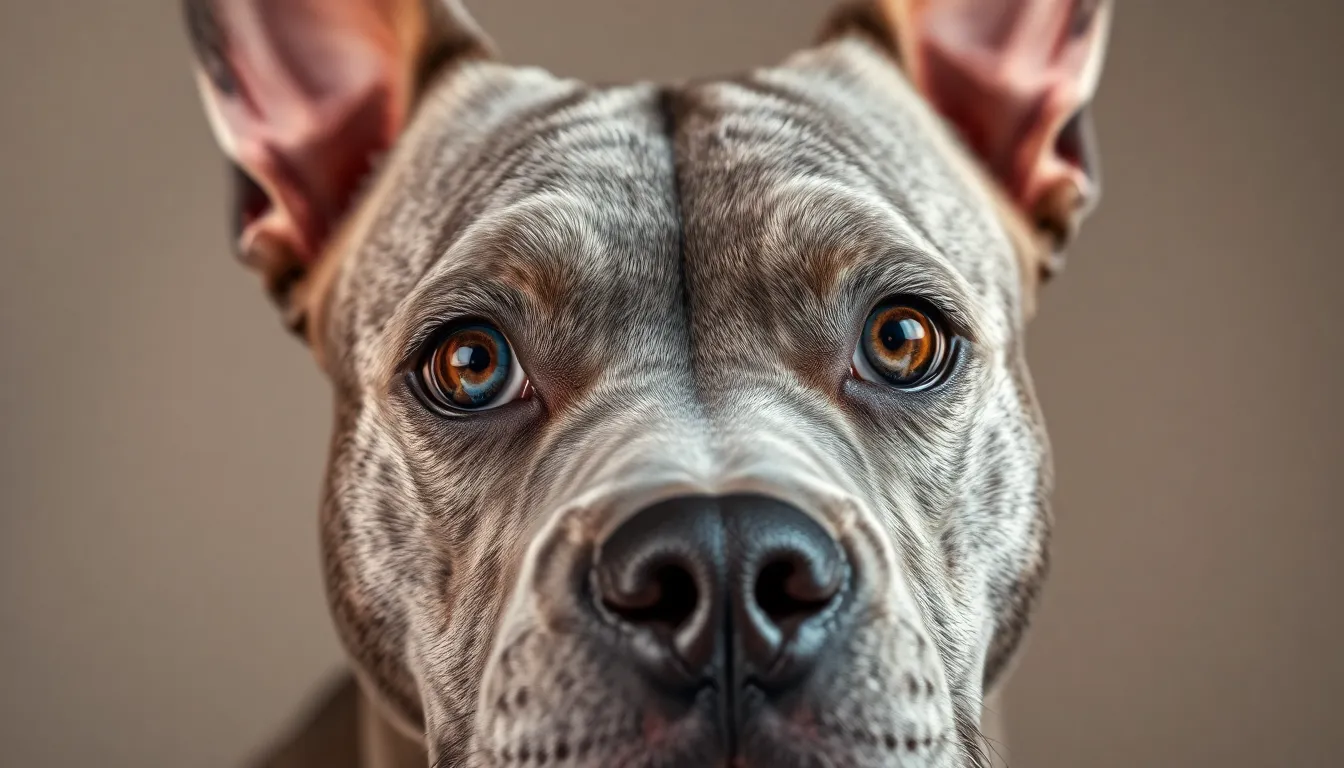
Genetic Links to Canine Ocular Variation
Sectoral heterochromia manifests as a distinctive ocular characteristic, where segments of the iris display disparate coloration within a single eye. This striking condition, often responsible for the unique appearance in an American Bully dog with ultra-rare eyes, possesses a well-documented genetic association. Its occurrence is directly correlated with specific coat color patterns observed across various dog breeds, indicating a deeper genetic connection.
Genetic Basis of Ocular Pigmentation
The underlying genetic mechanisms for sectoral heterochromia are principally linked to “merle” or “piebald” coat color genes. These particular genes influence melanin distribution throughout the canine body, including the delicate structures of the eyes. Consequently, an irregular deposition of pigment within the iris results in the visible segmentation of eye color, creating a mosaic effect.
These genetic variations affect melanocyte migration and differentiation during embryonic development, impacting ocular pigment. Such disruptions lead to areas of the iris with reduced or absent pigment, often appearing blue or lighter, adjacent to normally pigmented sections. This demonstrates a clear causal relationship between specific genetic markers and unique ocular aesthetics.
Widespread Occurrence Across Breeds
Despite the notable individual cases, such as the American Bully dog featured for its stunning eyes, sectoral heterochromia is demonstrably not exclusive to one specific breed type. The condition “can happen in multiple breeds,” thereby highlighting its broader genetic prevalence within the diverse canine population. This genetic trait underscores a shared biological framework influencing ocular diversity.
Evidence shows this distinct genetic characteristic is prevalent across at least seven distinct dog breeds, firmly establishing its non-exclusivity. This wide distribution indicates that the genetic components influencing sectoral heterochromia are not breed-specific anomalies. Instead, these factors represent an inherent aspect of broader canine genetic inheritance.
Specifically, breeds frequently observed displaying this unique ocular variation include:
- Great Danes
- Australian Shepherds
- Border Collies
- Shetland Sheepdogs
- Australian Cattle Dogs
- Dalmatians
This comprehensive list effectively illustrates the diverse array of canine lineages where such striking ocular variations occur. The genetic factors responsible for sectoral heterochromia therefore transcend specific breed boundaries, pointing to common ancestral genetic links.
Implications for Canine Health and Breeding
Understanding the genetic links to ocular variation, including sectoral heterochromia, proves crucial for responsible breeding practices. Awareness of the merle and piebald genes’ influence allows breeders to anticipate and manage potential associated health conditions effectively. Genetic screening can consequently assist in promoting overall canine welfare and mitigating risks.
Further research into these precise genetic associations can provide deeper insights into pigmentary disorders and their broader biological implications across species. The study of unique traits, like the stunning rare eyes in some American Bully dogs, contributes significantly to advanced canine genetic science. This analytical approach supports advancements in veterinary diagnostics and genetic counseling, benefiting animal health broadly.
Featured image generated using Flux AI
PetHelpful: “AMERICAN BULLY DOG HAS ULTRA-RARE EYES SO STUNNING PEOPLE CAN’T BELIEVE THEY’RE REAL”
Yahoo.com: “American Bully Dog Has Ultra-Rare Eyes So Stunning People Can’t Believe They’re Real”